
7 early signs of blocked arteries in your legs you should never ignore
1/8
Peripheral vascular disease symptoms shown in legs
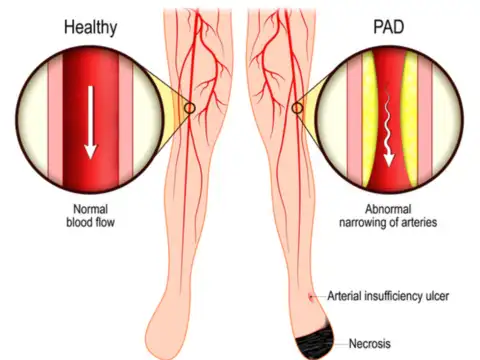
Blocked arteries in the legs can cause serious problems if ignored. Early signs like pain, numbness, coldness, and skin changes help you spot issues before they worsen. Knowing these symptoms can lead to timely treatment and better blood flow, reducing risks of complications.
2/8
Leg pain while walking (claudication)
Pain while walking, or claudication, is a common early sign of blocked arteries. It usually starts in the calf and eases with rest. Over time, it may get worse, making even short walks painful. If you notice this, it’s important to check your circulation and act early.

3/8
Numbness or weakness in the legs
Blocked arteries can cause numbness, tingling, or weakness in one or both legs. Reduced blood flow affects muscles and nerves, making movement difficult. If you feel frequent weakness or balance issues, it could be a warning sign that needs medical attention before symptoms worsen.
Amazon Top Deals
POWERED BY

Crompton Ozone 75 Litres Desert Air Cooler for home | Large & Easy Clean Ice Chamber | 4-Way Air Deflection | High Density Honeycomb Pads | Everlast Pump | Auto Fill| 3 Year Brand Warranty
₹9,798Buy Now43%
OFF

LG 32 L Convection Microwave Oven (MC3286BRUM, Black, 360° Motorised Rotisserie for Bar-be-queing, 301 Auto Cook Menu, Stainless steel cavity, Indian Cuisine, Tandoor Se, Steam Clean & Diet Fry)
₹19,340Buy Now19%
OFF

4/8
Coldness in one leg or foot
One leg or foot feeling colder than the other is a sign of restricted blood flow. Even in warm weather, the limb may feel icy or numb. This symptom, along with pain or skin changes, signals poor circulation and should be evaluated by a doctor.
5/8
Skin color changes
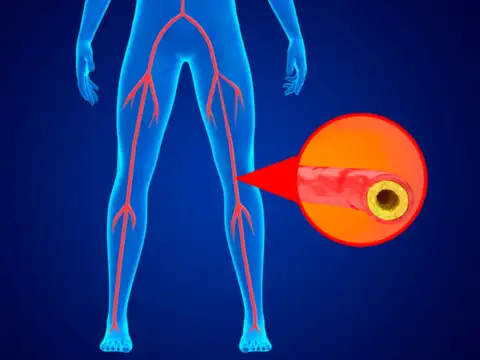
Blocked arteries can cause skin discoloration, turning areas pale, bluish, or dark red. The skin may also appear shiny or dry due to lack of nutrients. These changes are warning signs that circulation is compromised and need medical evaluation before serious complications arise.
6/8
Slow healing of wounds or sores
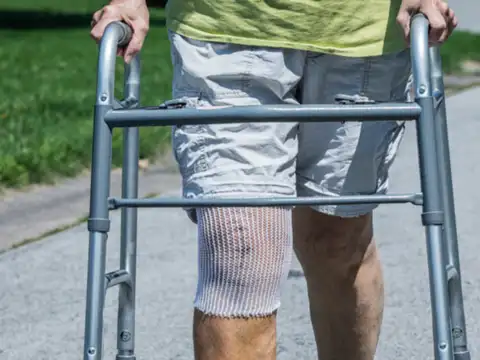
Wounds or sores that heal slowly or not at all may indicate blocked arteries. Poor blood flow prevents nutrients and oxygen from reaching the skin, slowing recovery. If minor injuries take longer to heal, it’s a sign to consult a doctor for proper care.

7/8
Weak or absent pulse in the legs
A weak or missing pulse in the legs signals severe blood flow restriction. It’s a serious sign of blocked arteries that can lead to permanent damage if untreated. Early medical checkups can detect issues and help restore circulation before complications develop.

8/8
Cramping or rest pain at night
Leg cramps or pain that worsens at night, even when resting, can be a sign of blocked arteries. When blood flow decreases, muscles struggle to recover during rest. If you frequently wake up due to leg pain or cramps, it’s important to get your circulation checked.
READ MORE:
Blocked arteries in legs |7 early signs of peripheral artery disease |7 leg pain causes and symptoms |Poor circulation symptoms in legs |Numbness and weakness in legs |Peripheral arteries blockage |Arterial blockage warning signs |Leg cramps at night cause |Heart attack alert |7 heart attack symptoms appearing on legs