
7 diabetes signs Indians miss and end up too late for diagnosis
1/7
This is urgent
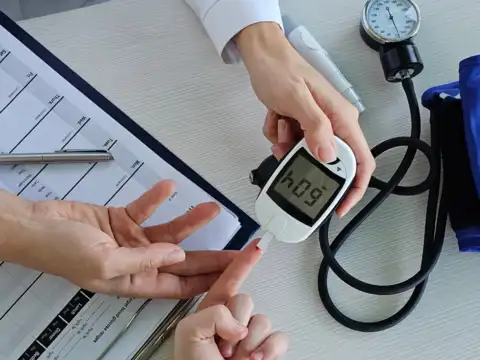
A Lancet study reveals that about one in every five Indians aged 45 and above has diabetes which is roughly 50 million people and nearly 40% of them were completely unaware, which is alarming. Diabetes is not just a sugar problem, if left undetected, blood sugar can silently raise blood pressure, cholesterol and heart risk.

2/7
Frequent thirst & dry mouth
Many dismiss feeling excessively thirsty or having a persistently dry mouth as just dehydration. The Lancet data shows these are some of the earliest signs of elevated blood sugar. Ignoring them can mean sugar is already causing damage by the time treatment begins.

3/7
Feeling unusually tired
If regular sleep doesn’t restore energy, don’t brush it off. Studies show chronic fatigue often appears well before full-blown diabetes is diagnosed. The body is struggling with glucose imbalance, which can hamper cell energy supply. Early recognition allows diet and activity changes to reduce risk.
Amazon Top Deals
POWERED BY


4/7
Blurry or fluctuating vision
Vision changes may come and go, so many believe it’s just tired eyes. But elevated blood sugar can affect the fluid balance in the eyes, distorting vision. The Lancet report highlights this as a symptom often missed or ignored in initial stages. Catching this early can help prevent permanent eye damage.

5/7
Frequent urination, especially at night
More trips to the bathroom—both day and night—can signal your kidneys are working overtime to expel excess sugar. Many people assume it’s just aging or too much water before bed. But it’s one of the clearest early signs that shouldn’t be ignored. Screening can catch this before kidney damage begins.

6/7
Slow wound healing & frequent infections
Cuts that take long to heal, or frequent skin or foot infections, are red flags. With elevated sugar, immune response weakens and circulation is impaired. Medical experts warn these are often the first complications people notice and usually after damage has already started. Addressing this early protects limbs and organs.
7/7
What you can do now
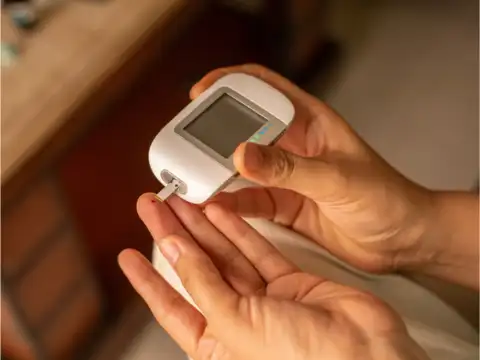
Don’t wait for obvious signs. If you’re over 40, have a family history, overweight, or lead a sedentary lifestyle, request a blood sugar test (fasting or HbA1c) at your next medical check-up. Simple diet changes, regular walks, and avoiding sugary drinks make a big difference. Early detection truly changes the outcome. (Disclaimer: This content is for educational purposes only and should not replace professional medical advice.)