
7 countries that are living "poverty-free"
1/9
Poverty‑free club
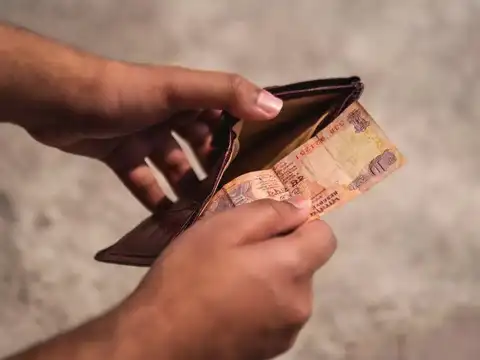
Extreme poverty, which is living on less than $2.15 (₹190.72) per day—has been virtually eradicated in a small group of nations through decades of economic growth, social programs, and targeted interventions. India's Kerala state has recently joined this elite list in 2025, becoming the first Indian state to declare freedom from extreme poverty after a four‑year community‑led program lifted 30,658 families above the poverty line.
2/9
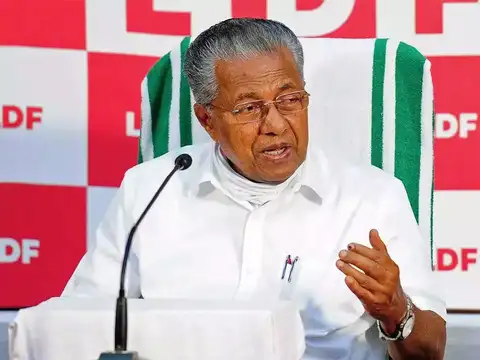
Kerala's milestone: India's first state to eradicate extreme poverty
On 1 November 2025, Kerala Chief Minister Pinarayi Vijayan declared the state extreme poverty–free after the 2021–25 Extreme Poverty Eradication Project (EPEP) lifted 30,658 families. Coordinated efforts across health, housing, employment (Kudumbashree's Ujeevanam scheme), transport (free student rides), and land distribution achieved this in four years—making Kerala the first Indian state and second region globally after China to formally declare extreme poverty eradication.
3/9
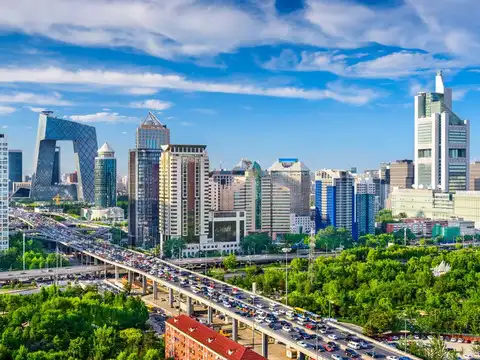
China
How they did it: Lifted 800 million people out of extreme poverty since 1980 through rapid industrialization, rural development, infrastructure investment, and targeted poverty alleviation campaigns in remote areas. By 2020, extreme poverty dropped from 41% of the global poor (1990) to less than 1%.ChinaHow they did it: Lifted 800 million people out of extreme poverty since 1980 through rapid industrialization, rural development, infrastructure investment, and targeted poverty alleviation campaigns in remote areas. By 2020, extreme poverty dropped from 41% of the global poor (1990) to less than 1%.Key lesson: Large‑scale economic reform combined with deliberate rural upliftment can shift entire regions in one generation.
Amazon Top Deals
POWERED BY


4/9
Vietnam
How they did it: Economic reforms in the 1980s–90s (Đổi Mới), agricultural productivity gains, export‑led growth, and foreign investment reduced extreme poverty to near‑zero by 2015.Key lesson: Opening markets while maintaining social safety nets created shared prosperity across urban and rural areas.
5/9
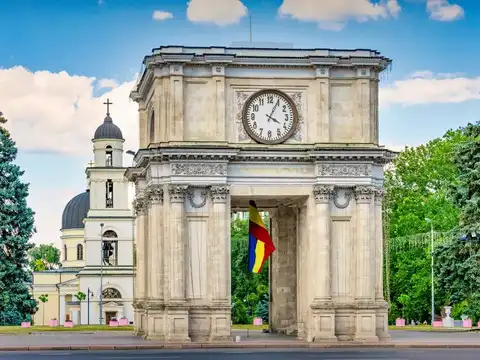
Moldova
How they did it: Post‑Soviet transition coupled with social assistance programs, remittance flows from diaspora workers, and economic integration with Europe brought extreme poverty rates below 1% by the mid‑2010s.Key lesson: Even small, landlocked countries can eliminate extreme poverty with targeted transfers and stable growth.
6/9
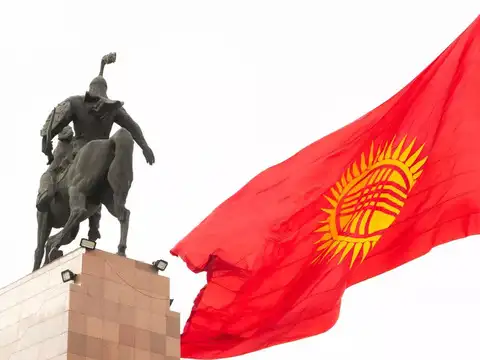
Kyrgyz Republic
How they did it: Land reforms, investment in education and health, and migrant remittances reduced extreme poverty to negligible levels by 2015 despite geographic and economic challenges.Key lesson: Social investment and workforce mobility can compensate for limited natural resources
7/9
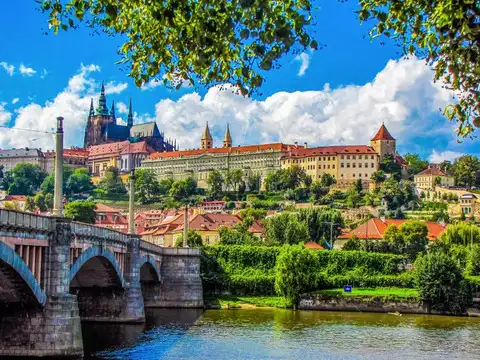
Czech Republic
How they did it: Strong social safety nets, universal healthcare, free education, and steady post‑communist economic growth kept extreme poverty rates at or near zero throughout the 2000s–2020s.Key lesson: Well‑designed welfare systems prevent anyone from falling into destitution even during transitions.
8/9
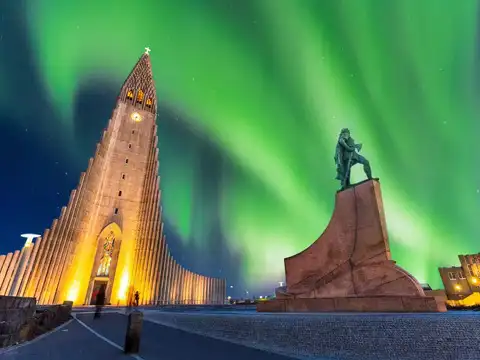
Iceland
How they did it: Universal welfare, high employment, robust public services, and small, cohesive population kept extreme poverty virtually non‑existent; consistently ranks among the world's lowest poverty rates.Key lesson: High‑quality public goods and employment security create a floor no one falls through.
9/9
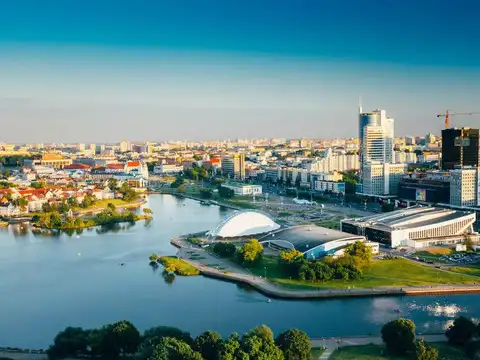
Belarus
How they did it: Retained significant state role in economy post‑Soviet era, universal social services, subsidized housing and utilities, and employment guarantees kept extreme poverty at 0.1%–0.2% in recent years.Key lesson: State‑led social provisioning can maintain very low poverty rates even without high GDP per capita.