
7 common signs of liver problems you shouldn’t ignore
1/7
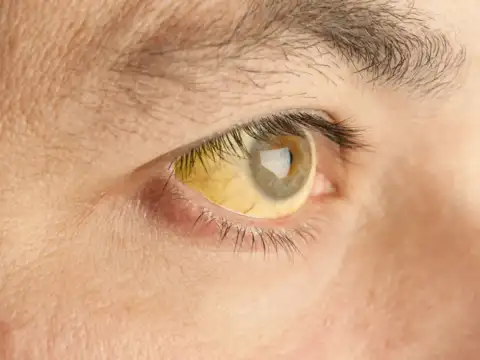
Jaundice
When the liver fails to process bilirubin properly, it accumulates in the blood, turning the skin and eyes yellow. Jaundice is a key indicator of liver dysfunction and often warrants immediate medical evaluation. It may also be linked to bile duct obstruction or hepatitis.

2/7
Persistent Fatigue
Chronic tiredness can result from the liver’s reduced ability to filter toxins and regulate metabolism. When liver function declines, toxin buildup can make you feel drained, weak, and unfocused, even with adequate rest. Persistent fatigue should be investigated to rule out liver disease and other causes.

3/7
Abdominal Pain or Swelling
Pain or bloating in the upper right abdomen may be a sign of liver inflammation, fatty liver disease, or fluid buildup (ascites). This discomfort is often accompanied by a feeling of fullness or heaviness. If abdominal swelling worsens, it may indicate advanced liver disease and requires urgent care.
Amazon Top Deals
POWERED BY


4/7
Dark Urine and Pale Stools
Changes in urine and stool color can point to bile production or flow problems. Dark urine may mean excess bilirubin, while pale stools suggest reduced bile reaching the intestines. These changes, especially if persistent, should be discussed with a healthcare provider to rule out liver or gallbladder issues.

5/7
Unexplained Itching
When the liver is damaged, bile salts can build up under the skin, causing widespread itching (pruritus). This symptom is often worse at night and not relieved by moisturizers. Chronic, unexplained itching may be an early warning sign of cholestatic liver diseases and needs prompt evaluation.

6/7
Easy Bruising and Bleeding
The liver produces clotting factors that help stop bleeding. When it’s damaged, these proteins decrease, making bruising and bleeding more likely. Nosebleeds, gum bleeding, or prolonged bleeding from minor cuts can be early signs of liver dysfunction and should not be ignored.

7/7
Loss of Appetite and Nausea
Digestive issues like nausea, vomiting, or reduced appetite can occur when the liver struggles to process nutrients and filter toxins. These symptoms may lead to unintended weight loss. Persistent appetite loss alongside other symptoms warrants a thorough medical check-up to detect potential liver problems early.