
7 breathtaking Indian sites join UNESCO tentative list: From Kerala to Meghalaya
1/7
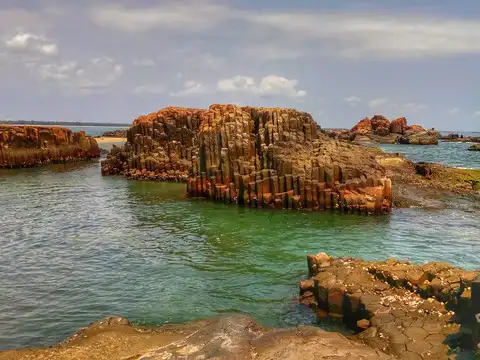
St Mary’s Island Cluster, Karnataka
India adds seven new natural sites to UNESCO’s Tentative List, bringing the total to 69. This includes 49 cultural, 17 natural, and 3 mixed sites. The move shows India’s commitment to protecting and sharing its rich heritage with the world and is the first step toward becoming a World Heritage Site. Here's the list:St Mary’s Island Cluster, Karnataka: Famed for its striking columnar basalt formations, these islands date back 85 million years to the Late Cretaceous period, making them a rare geological treasure.
2/7
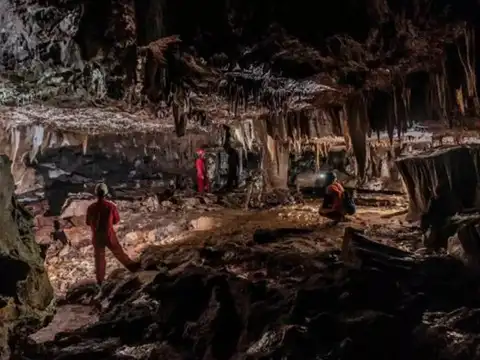
Meghalayan Age Caves, Meghalaya
The spectacular cave systems, especially Mawmluh Cave, serve as the global reference point for the Meghalayan Age, reflecting key climate and geological shifts.
3/7
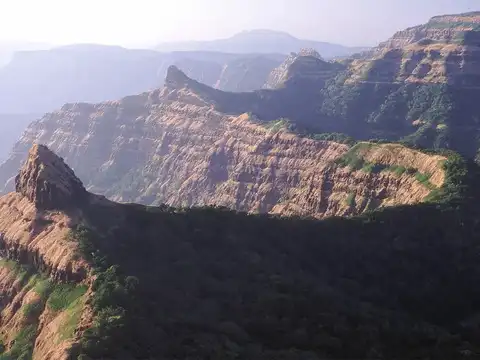
Deccan Traps at Panchgani & Mahabaleshwar, Maharashtra
Among the world’s most studied lava flows, these volcanic formations lie within the Koyna Wildlife Sanctuary, already a UNESCO site, showcasing India’s geological marvels.
Amazon Top Deals
POWERED BY

atomberg Studio Smart+ 1200mm BLDC Ceiling Fan with IoT & Remote | BEE 5 star Rated Energy Efficient Ceiling Fan | High Air Delivery with LED Indicators | 3 Year Warranty (Earth Brown)
₹5,882Buy Now36%
OFF

LG 32 L Convection Microwave Oven (MC3286BRUM, Black, 360° Motorised Rotisserie for Bar-be-queing, 301 Auto Cook Menu, Stainless steel cavity, Indian Cuisine, Tandoor Se, Steam Clean & Diet Fry)
₹19,340Buy Now19%
OFF
4/7
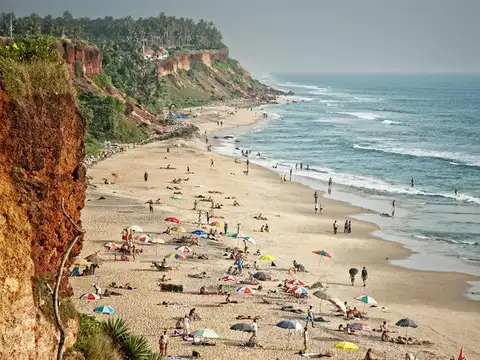
Varkala cliffs, Kerala
Stretching along Kerala’s scenic coast, these cliffs expose Mio-Pliocene rock formations and natural springs, blending scientific significance with touristic beauty.
5/7
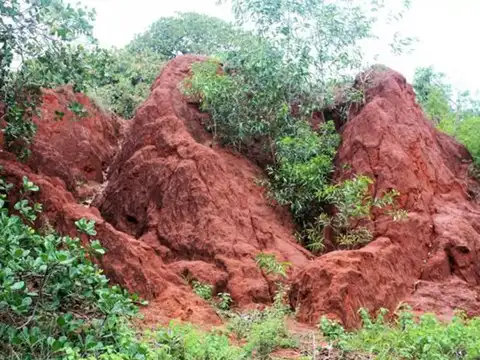
Erra Matti Dibbalu (Red Sand Hills), Andhra Pradesh
Located near Visakhapatnam, these red sand formations reveal ancient coastal and climatic history, with striking landscapes shaped over thousands of years.
6/7
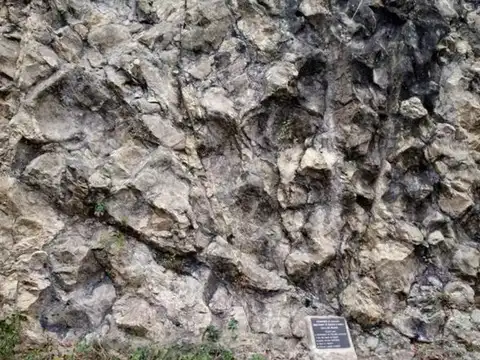
Naga Hill Ophiolite, Nagaland
These unique hills display ancient oceanic crust pushed onto land, offering insights into plate tectonics, ocean ridge dynamics, and Earth’s deep geological past.
7/7
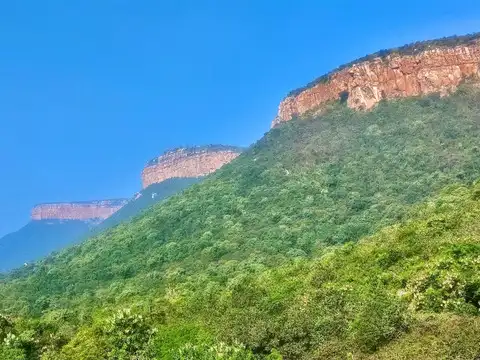
Tirumala hills, Andhra Pradesh
Home to the Silathoranam natural arch and the Eparchaean Unconformity, these hills represent 1.5 billion years of Earth’s history and rare geological formations.