
7 best space exploration movies of all time
1/7
2001: A Space Odyssey (1968)
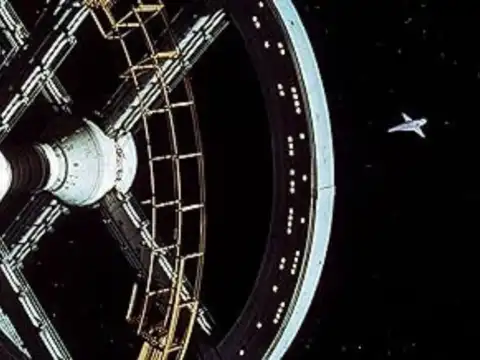
Stanley Kubrick’s 2001: A Space Odyssey is not just a film but a cinematic experience that redefined science fiction. Its sweeping visuals, philosophical undertones, and meticulous depiction of space travel make it timeless. The story explores humanity’s evolution, artificial intelligence, and our relationship with the cosmos, told through stunningly realistic space sequences that still hold up today. The film’s use of classical music and minimal dialogue emphasizes its meditative tone, while the HAL 9000 AI remains one of cinema’s most chilling and thought-provoking antagonists.
2/7
Interstellar (2014)
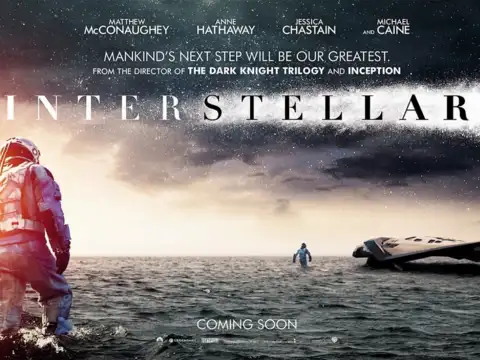
Christopher Nolan’s Interstellar combines breathtaking visuals, emotional depth, and hard science. The film follows Cooper, a former pilot, on a mission to find a habitable planet for humanity as Earth faces ecological collapse. Its depiction of wormholes, black holes, and time dilation is grounded in real physics, with physicist Kip Thorne consulting on the science. The emotional core, Cooper’s bond with his daughter Murph, anchors the narrative, making it as much about love and sacrifice as survival. The stunning visuals of Gargantua (the black hole) and Hans Zimmer’s score make Interstellar both scientifically fascinating and emotionally stirring.
3/7
The Martian (2015)
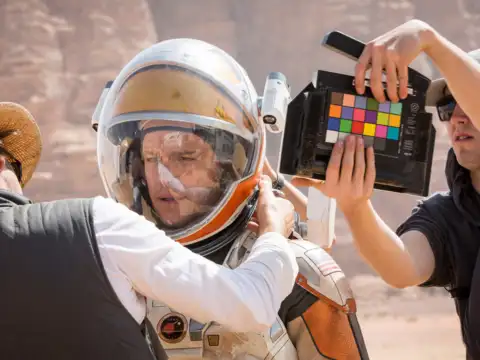
Ridley Scott’s The Martian celebrates human ingenuity and resilience. Astronaut Mark Watney (Matt Damon) is stranded on Mars and must survive using science, resourcefulness, and sheer determination. The film blends suspense with humor, thanks to Watney’s sarcastic video logs, while realistically showcasing how science can solve life-or-death challenges. From growing potatoes in Martian soil to harnessing water, The Martian makes survival thrilling and educational. Its optimistic tone, emphasizing collaboration between nations and the triumph of human spirit, sets it apart from typical disaster-driven sci-fi films.
Amazon Top Deals
POWERED BY

Crompton Ozone 75 Litres Desert Air Cooler for home | Large & Easy Clean Ice Chamber | 4-Way Air Deflection | High Density Honeycomb Pads | Everlast Pump | Auto Fill| 3 Year Brand Warranty
₹9,798Buy Now43%
OFF

atomberg Studio Smart+ 1200mm BLDC Ceiling Fan with IoT & Remote | BEE 5 star Rated Energy Efficient Ceiling Fan | High Air Delivery with LED Indicators | 3 Year Warranty (Earth Brown)
₹5,903Buy Now36%
OFF

LG 32 L Convection Microwave Oven (MC3286BRUM, Black, 360° Motorised Rotisserie for Bar-be-queing, 301 Auto Cook Menu, Stainless steel cavity, Indian Cuisine, Tandoor Se, Steam Clean & Diet Fry)
₹19,340Buy Now19%
OFF
4/7
Gravity (2013)
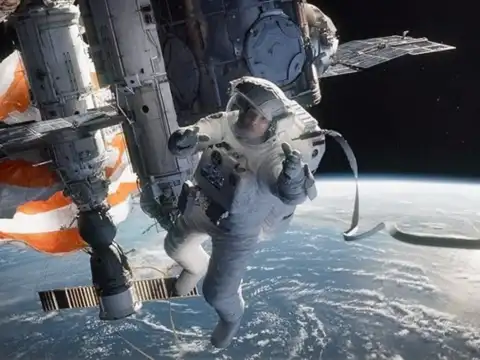
Alfonso Cuarón’s Gravity is a visual and emotional tour de force. Starring Sandra Bullock and George Clooney, it follows two astronauts stranded after their shuttle is destroyed. The film’s real-time pacing and immersive camerawork make viewers feel the vast, terrifying emptiness of space. With its minimal dialogue and haunting score, Gravity emphasizes the raw, isolating struggle for survival. While not purely realistic, its portrayal of orbital mechanics and weightlessness is highly immersive, and Bullock’s performance captures both vulnerability and resilience. The film’s breathtaking long takes remain a benchmark for space-based cinema.
5/7
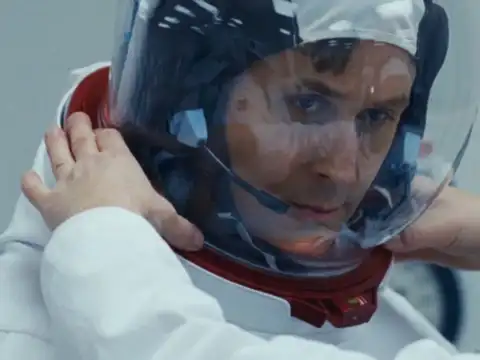
First Man (2018)
Damien Chazelle’s First Man is a deeply personal take on the Apollo 11 mission and Neil Armstrong’s life. Starring Ryan Gosling, the film blends intense, visceral spaceflight sequences with intimate glimpses into Armstrong’s grief and determination. Rather than focusing solely on triumph, it captures the sacrifices and emotional costs behind humanity’s greatest leap. The shaky, first-person camerawork during flight scenes makes viewers feel every rattle and vibration of early space travel, contrasting with the serene, awe-inspiring moon landing. Its human focus sets it apart from most space epics.
6/7
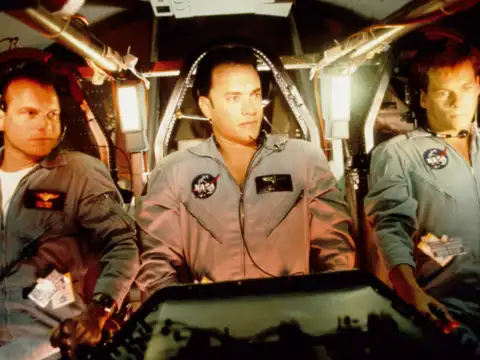
Apollo 13 (1995)
Ron Howard’s Apollo 13 dramatizes NASA’s most harrowing mission. Starring Tom Hanks, Kevin Bacon, and Bill Paxton, it recounts the near-disastrous lunar mission where ingenuity saved three astronauts. The film highlights teamwork, resilience, and the brilliance of both the astronauts and mission control. Its technical accuracy and tense pacing keep viewers on edge, even knowing the outcome. Famous for the line “Houston, we have a problem,” it’s a gripping portrayal of real-life space heroism, grounded in authenticity and human emotion.
7/7
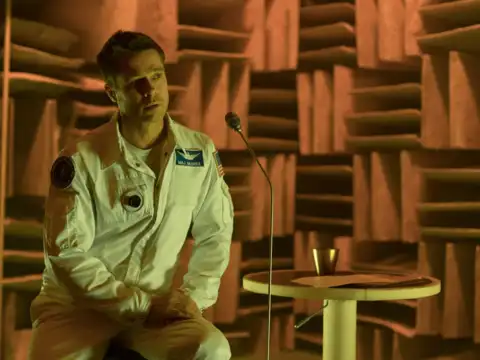
Ad Astra (2019)
James Gray’s Ad Astra is a contemplative journey through space and self. Brad Pitt stars as astronaut Roy McBride, traveling across the solar system to find his missing father and confront existential questions. Unlike most action-driven space films, Ad Astra is meditative, exploring isolation, father-son relationships, and humanity’s yearning for connection. Its stunning visuals of the Moon, Mars, and Neptune are paired with a slow-burn narrative, making it as much about internal discovery as cosmic exploration. The film blends psychological drama with sci-fi, appealing to those seeking depth over spectacle.