
7 benefits of high protein diet for superior fat loss and longevity
1/7
Highest Thermic Effect of Food (TEF)
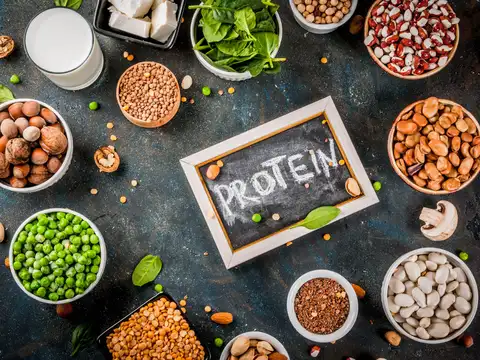
Unlike carbohydrates or fats, protein has a significantly higher thermic effect, meaning your body burns more calories simply by digesting it. Approximately 20–30% of the calories consumed from protein are burned during the digestion process itself, compared to only 5–10% for other macros. This unique metabolic "tax" provides a passive fat-loss advantage that other dietary models cannot match, effectively turning your digestive system into a calorie-burning engine.

2/7
Superior Satiety and Ghrelin Suppression
Protein is the most satiating macronutrient, primarily because it aggressively suppresses ghrelin, the "hunger hormone," while stimulating the release of fullness hormones like PYY and GLP-1. While high-volume low-calorie diets provide temporary stomach stretching, protein provides a long-lasting hormonal signal to the brain that the body is fully nourished. This biochemical satiety makes a high-protein diet the most effective tool for preventing overeating without relying on willpower.

3/7
Preservation of Lean Mass During Deficits
When the body is in a calorie deficit, it often looks to break down muscle tissue for energy, which slows down the metabolism. A high-protein diet provides the essential amino acids necessary to signal the body to spare muscle and burn stored fat instead. This "muscle-sparing" effect is a unique feature that allows individuals to lose weight while maintaining their strength and metabolic rate, a feat nearly impossible on low-protein weight loss plans.
Amazon Top Deals
POWERED BY

Crompton Ozone 75 Litres Desert Air Cooler for home | Large & Easy Clean Ice Chamber | 4-Way Air Deflection | High Density Honeycomb Pads | Everlast Pump | Auto Fill| 3 Year Brand Warranty
₹9,798Buy Now43%
OFF

LG 32 L Convection Microwave Oven (MC3286BRUM, Black, 360° Motorised Rotisserie for Bar-be-queing, 301 Auto Cook Menu, Stainless steel cavity, Indian Cuisine, Tandoor Se, Steam Clean & Diet Fry)
₹19,340Buy Now19%
OFF
4/7
Enhanced Bone Density and Fracture Prevention
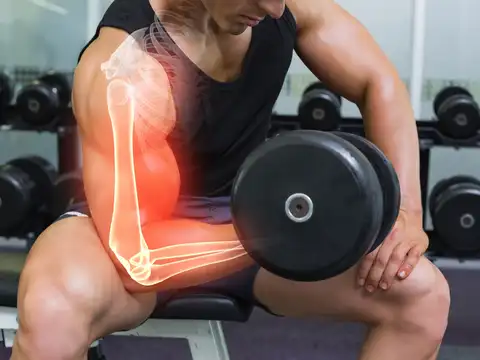
Contrary to outdated myths, long-term studies now confirm that high protein intake significantly improves bone mineral density. Protein makes up about 50% of bone volume and is essential for the production of the collagen matrix that keeps bones resilient. By supporting the structural framework of the skeletal system, a high-protein diet offers a level of protection against age-related bone loss and fractures that mineral supplementation alone cannot provide.
5/7
Accelerated Tissue Repair and Recovery
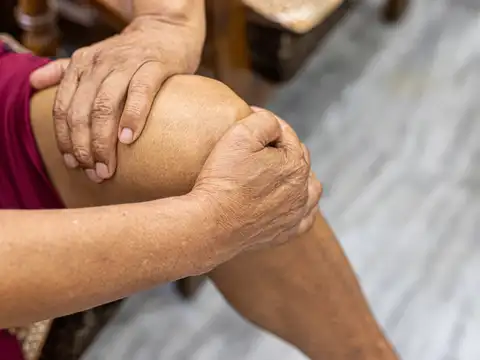
Every physical stressor, from a rigorous workout to a minor injury, requires amino acids for repair. A high-protein diet ensures a constant "pool" of these building blocks is available in the bloodstream, significantly reducing recovery time and muscle soreness. This accelerated healing capacity is a direct result of increased protein synthesis, allowing the body to adapt to physical demands much faster than it would on a moderate or low-protein regimen.
6/7
Optimized Neurotransmitter Synthesis
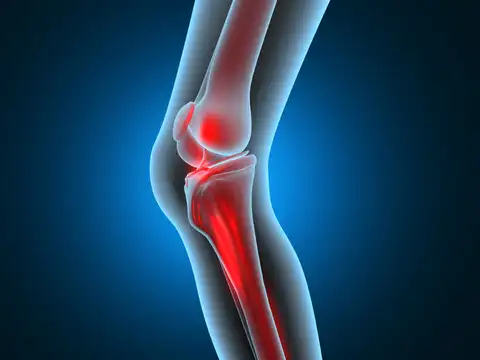
The brain requires specific amino acids found in protein to synthesize critical neurotransmitters like dopamine and serotonin. While high-carb diets can cause "brain fog" through insulin spikes, a high-protein model provides the steady precursors needed for cognitive focus and emotional stability. This direct link between protein intake and brain chemistry ensures that mental clarity and mood regulation remain optimized throughout the day, even under high stress.
7/7
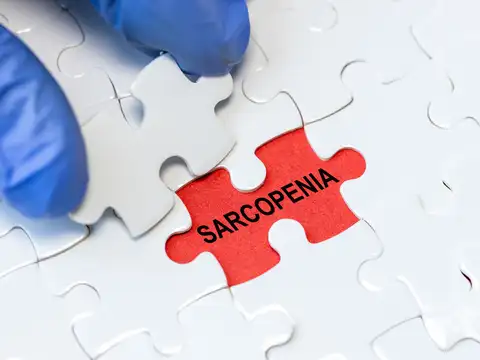
Prevention of Sarcopenia and Vitality
Sarcopenia, or age-related muscle wasting, is a primary driver of frailty and lost independence in later life. High-protein diets are uniquely effective at stimulating "Muscle Protein Synthesis" (MPS) even in older adults who may be resistant to other growth signals. By consistently providing the leucine-rich amino acids required to trigger this process, a high-protein diet acts as a powerful anti-aging intervention that maintains physical vitality well into the senior years.
(Disclaimer: This story is for educational purposes alone and should not be considered as professional medical advice and does not substitute any medical advice.)
(Disclaimer: This story is for educational purposes alone and should not be considered as professional medical advice and does not substitute any medical advice.)
READ MORE:
High Protein Diet Benefits 2026 |Thermic Effect of Protein Weight Loss |Protein Satiety and Ghrelin Suppression |Muscle Sparing Effects of Protein |High Protein Diet for Bone Density |Accelerated Muscle Recovery Protein |Amino Acids for Neurotransmitter Synthesis |Preventing Sarcopenia with Protein |High Protein vs Low Carb Diet |Best High Protein Foods for Longevity