
7 amazing benefits of kismis (raisins) you should know
1/8
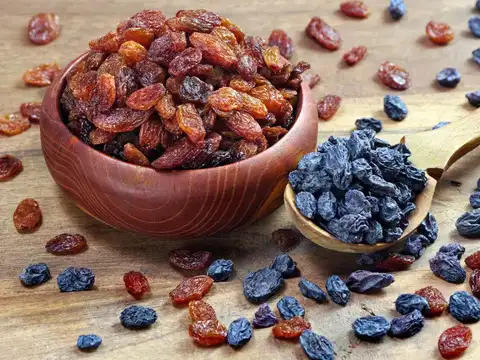
Why kismis stand out
Small but dense, raisins deliver potassium, fiber, and antioxidant phytonutrients with almost no sodium, supporting cardiometabolic goals when swapped for sugary snacks and paired with balanced meals.
2/8
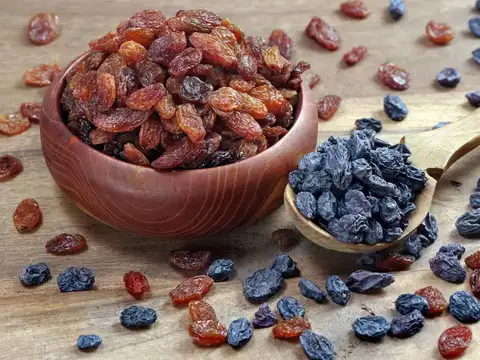
Helps manage blood pressure
Multiple controlled comparisons show routine raisin snacking can modestly lower systolic pressure, likely via higher potassium and vascular‑friendly fiber/polyphenols versus isocaloric snacks.In prehypertensive adults, eating raisins three times daily reduced blood pressure more than packaged snack controls in a randomized trial presented at the American College of Cardiology.
3/8
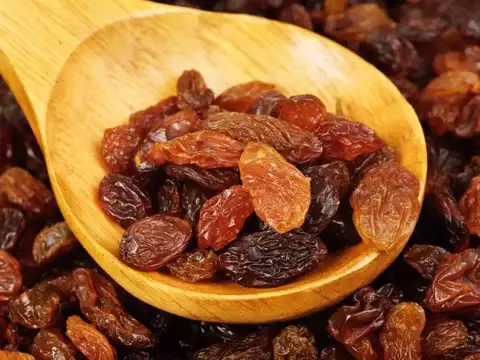
Supports heart‑healthy lipids and glucose
Reviews report that raisins, compared with equal‑calorie refined snacks, can reduce LDL, blood pressure, and post‑meal insulin response while improving satiety.A narrative synthesis notes lower postprandial insulin and modulation of sugar absorption (glycemic index), aligning raisins as a better snack option within cardiometabolic diets.
Amazon Top Deals
POWERED BY

Crompton Ozone 75 Litres Desert Air Cooler for home | Large & Easy Clean Ice Chamber | 4-Way Air Deflection | High Density Honeycomb Pads | Everlast Pump | Auto Fill| 3 Year Brand Warranty
₹9,798Buy Now43%
OFF

LG 32 L Convection Microwave Oven (MC3286BRUM, Black, 360° Motorised Rotisserie for Bar-be-queing, 301 Auto Cook Menu, Stainless steel cavity, Indian Cuisine, Tandoor Se, Steam Clean & Diet Fry)
₹18,490Buy Now23%
OFF
4/8
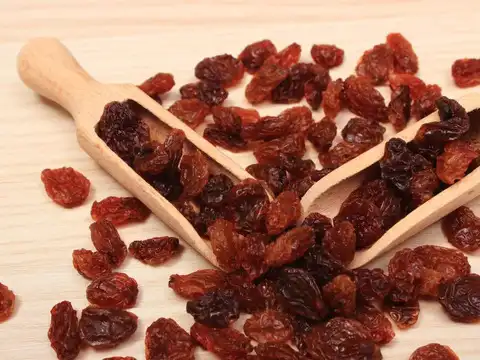
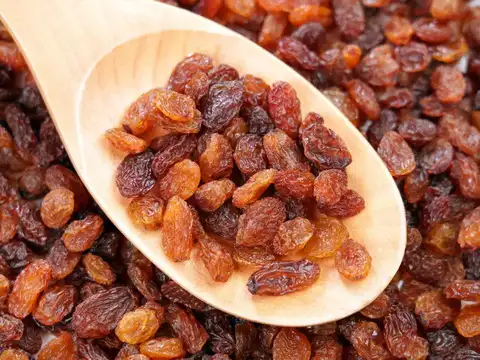
Gut health and digestion
Raisins provide soluble fiber and tartaric acid, which may improve bowel function, lower intestinal inflammation, and support a healthier microbiota profile in human summaries.Typical nutrition data show roughly 6 g fiber per packed cup, alongside magnesium and phosphorus, contributing to regularity when portions are sensible.
5/8
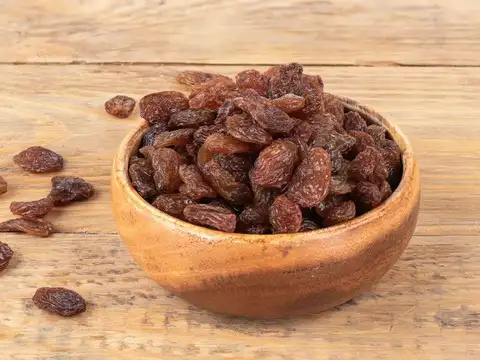
Oral health, not just cavities
Despite being sweet, raisins contain phytochemicals like oleanolic acid that can suppress plaque‑forming bacteria linked to caries and periodontal disease in lab and review work.Human plaque‑pH studies found plain raisins did not reduce plaque pH below 6 over 30 minutes and were less acidogenic/retentive than some processed cereals with sugar‑coated raisins.
6/8
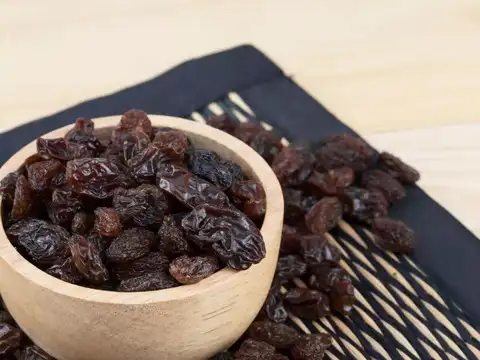
Potassium power and low sodium
As a naturally low‑sodium food rich in potassium, raisins fit DASH‑style advice to counterbalance sodium and support vascular tone and fluid balance.One packed cup approximates 1,235 mg potassium with only about 18 mg sodium, highlighting a favorable electrolyte profile when portion‑controlled.
7/8
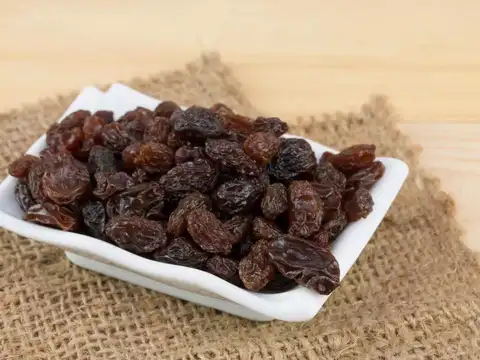
Convenient iron and micronutrients
Raisins supply plant iron with supportive B‑vitamins and copper; consumer health overviews associate intake with lower risk of iron‑deficiency anemia when used within iron‑aware diets.Standard nutrition tables list around 3.1 mg iron per packed cup, plus copper and manganese that participate in red‑blood‑cell and antioxidant enzyme systems.
8/8
Antioxidant polyphenols for everyday defense
Polyphenols in raisins contribute antioxidant activity that may favorably influence vascular stiffness and oxidative biomarkers compared to refined snacks.Comprehensive reviews describe phytonutrients that help lower inflammation markers and support long‑term chronic disease risk reduction when part of overall healthy patterns.
(Disclaimer: This is not professional medical advice and does not substitute medical advice.)
(Disclaimer: This is not professional medical advice and does not substitute medical advice.)