
6 worst vegetables to eat during rising heatwave
1/7
Summer Dietary Thermogenesis
During the peak of summer, our bodies struggle to maintain a core temperature of $37°C$. Some vegetables are "thermogenic," meaning they require significant metabolic energy to digest, which produces internal heat as a byproduct. Choosing the wrong produce can lead to "Pitta" imbalance, resulting in skin breakouts, acidity, and excessive sweating. Understanding which vegetables to avoid helps you stay light, hydrated, and thermally balanced during the most intense months of the year.

2/7
Ginger and Raw Garlic
While ginger and garlic are medicinal powerhouses in winter, they are highly heating in nature. Their active compounds, like gingerol and allicin, stimulate blood flow and increase metabolic heat. Consuming them in large quantities during a heatwave can lead to a burning sensation in the stomach and may exacerbate dehydration. In summer, these should be used sparingly as a garnish rather than a primary flavoring agent to prevent internal overheating.
3/7
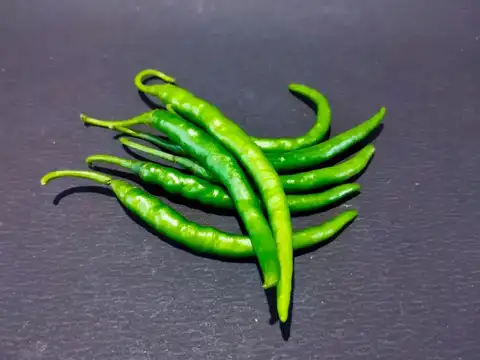
Hot Green and Red Chilies
Hot Green and Red ChiliesChilies contain capsaicin, which tricks the brain into thinking the body is overheating. While this can sometimes help you cool down via sweating, in the high humidity of an Indian summer, that sweat often doesn't evaporate, leaving you exhausted and dehydrated. Excessive chili consumption during June and July can irritate the digestive lining and lead to "stomach heat," causing discomfort and long-term acidity.
Amazon Top Deals
POWERED BY

Crompton Ozone 75 Litres Desert Air Cooler for home | Large & Easy Clean Ice Chamber | 4-Way Air Deflection | High Density Honeycomb Pads | Everlast Pump | Auto Fill| 3 Year Brand Warranty
₹9,798Buy Now43%
OFF

LG 32 L Convection Microwave Oven (MC3286BRUM, Black, 360° Motorised Rotisserie for Bar-be-queing, 301 Auto Cook Menu, Stainless steel cavity, Indian Cuisine, Tandoor Se, Steam Clean & Diet Fry)
₹19,340Buy Now19%
OFF
4/7
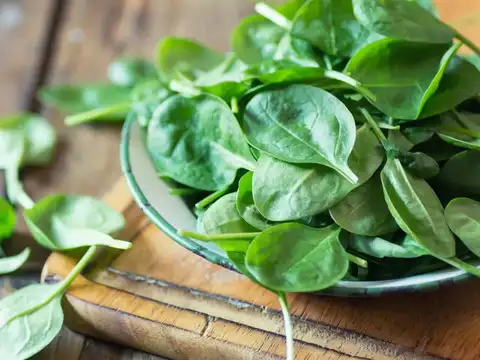
Spinach and Mustard Greens
Leafy greens like Palak (Spinach) and Sarson (Mustard) are dense with minerals but are also considered "warming" in traditional nutrition. Spinach contains oxalates that can be harder on the kidneys when you are slightly dehydrated, while mustard greens are naturally pungent and heating. These are best replaced with hydrating "gourds" during the summer to ensure your digestive system isn't overworked by these heavy, iron-dense winter favorites.
5/7
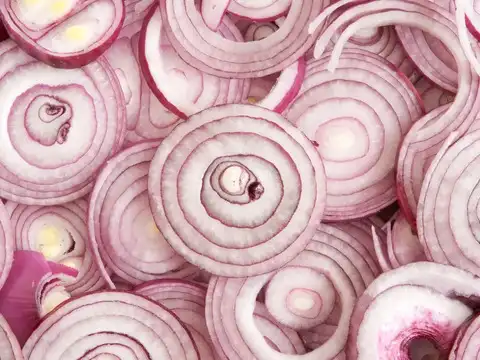
Raw Onions in Excess
While many eat raw onions in salads believing they prevent heatstroke, excessive raw onion can actually be quite heating due to its high sulfur content. This can lead to gas, bloating, and acid reflux when the external temperature is high. If you must consume onions, it is better to soak them in vinegar or water first to neutralize their heating properties and make them easier for your summer-strained gut to process.

6/7
Root Vegetables like Arbi (Taro Root)
Arbi and other heavy, starchy root vegetables are difficult for the body to break down when the digestive fire is naturally low during the summer. These vegetables are "Vata-inducing," often causing sluggishness and bloating. Since the body diverts blood flow to the skin for cooling rather than to the stomach for digestion, eating these heavy starches can result in a "food coma" and physical lethargy.
7/7
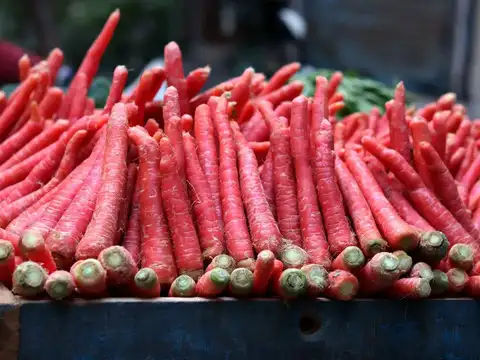
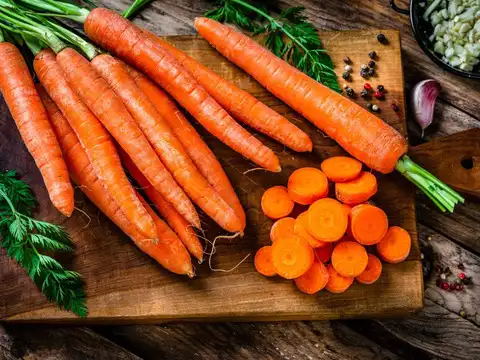
Carrots and Winter Radish
Carrots and certain varieties of radish are essentially winter crops that lack the high water content of summer vegetables. Their fibrous structure requires more water for digestion, which can inadvertently contribute to internal dryness if your water intake isn't perfect. While not "toxic," they lack the cooling, hydrating benefits of cucumbers or melons, making them less-than-ideal choices for a refreshing summer meal plan.
(Disclaimer: This story is for educational purposes alone and should not be considered as professional medical advice and does not substitute any medical advice.)
(Disclaimer: This story is for educational purposes alone and should not be considered as professional medical advice and does not substitute any medical advice.)
READ MORE:
Vegetables to Avoid in Summer 2026 |Heating Foods in Summer India |Why Ginger is Bad in Heat |Avoid Spinach in Summer |Summer Digestion Problems India |Vegetables That Cause Acidity |Best Cooling Vegetables vs Heating |Pitta Increasing Foods |Summer Diet Tips for Delhi |Foods That Increase Body Heat