
6 Winter Habits Dermatologists Say You Should Stop

1/8
Winter Habits Your Skin Hates
Winter feels cozy, but some everyday habits quietly damage your skin and hair. Dr Garekar shares common winter mistakes that worsen dryness, irritation, dandruff, and breakouts, often without us realizing the real cause in her instagram post.

2/8
Long Hot Showers
Hot showers may feel relaxing in winter, but they strip your skin of natural oils. This weakens the skin barrier, leading to dryness, itching, and tightness. Lukewarm water is far gentler on winter skin.

3/8
Constant Heater Usage
Keeping heaters on all day dries out indoor air. Low humidity increases water loss from the skin, making it flaky, irritated, and sensitive. Use heaters in intervals and balance the air with moisture whenever possible
Amazon Top Deals
POWERED BY


4/8
Shampooing With Hot Water
Washing hair with hot water weakens the roots and increases the damage. This increases frizz, worsens dandruff, and dries out the scalp. Lukewarm water for shampooing and a cooler final rinse help protect scalp health.
5/8
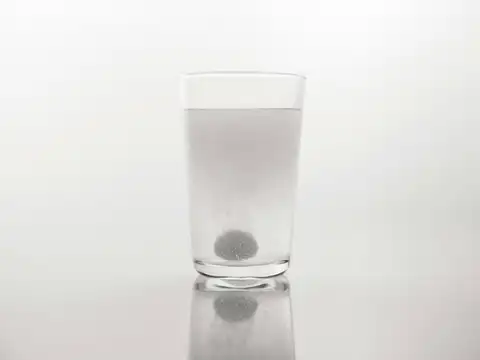
Skipping Water Intake
Cold weather reduces thirst, but then it causes dehydration. Less water intake slows skin repair, worsens dryness, and increases fatigue. Drinking enough water in winter is important for healthy skin from within.

6/8
Skipping Exercise
Winter laziness often causes less movement. Reduced activity lowers circulation and slows skin renewal, contributing to dullness, acne, and inflammation. Even short indoor workouts support skin and overall health.
7/8
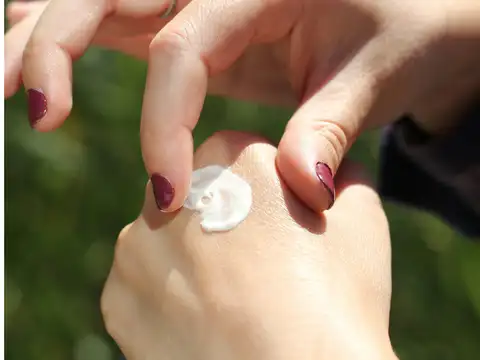
Ignoring Moisturizing Timing

8/8
Winter Skin Care Takeaway
Dr Garekar emphasizes that winter skin issues aren’t inevitable. Small changes like gentler water temperature, hydration movement, and timely moisturizing can prevent dryness, irritation, and hair problems throughout the season.
- Disclaimer: The information provided in this content is for general awareness only and should not be considered a substitute for professional medical advice, diagnosis, or treatment. Always seek the guidance of a qualified healthcare provider or your own doctor with any questions you may have regarding a medical condition or health concerns. ET bears no responsibility for the accuracy, completeness, or outcomes arising from the use of this information.