
6 warning signs you’re consuming too much salt and may not even know it

1/6
Constant Thirst
Excess salt dehydrates your cells, making you feel thirsty all the time. When sodium levels in your body rise, your system pulls water from cells to balance it, triggering frequent urges to drink water.

2/6
Frequent Headaches
Too much sodium can cause blood vessels in the brain to expand, leading to headaches. If you're experiencing unexplained headaches, especially after salty meals, it could be a sign of sodium-induced dehydration or pressure spikes.

3/6
High Blood Pressure
Sodium causes your body to retain water, which increases blood volume and puts added pressure on your arteries. Over time, this can lead to hypertension, even if you're otherwise healthy or fit.
Amazon Top Deals
POWERED BY

Crompton Ozone 75 Litres Desert Air Cooler for home | Large & Easy Clean Ice Chamber | 4-Way Air Deflection | High Density Honeycomb Pads | Everlast Pump | Auto Fill| 3 Year Brand Warranty
₹9,798Buy Now43%
OFF

LG 32 L Convection Microwave Oven (MC3286BRUM, Black, 360° Motorised Rotisserie for Bar-be-queing, 301 Auto Cook Menu, Stainless steel cavity, Indian Cuisine, Tandoor Se, Steam Clean & Diet Fry)
₹19,340Buy Now19%
OFF

4/6
Bloating and Puffiness
A salty diet often results in water retention, especially in the face, hands, and feet. This puffiness or bloating is your body’s way of holding onto extra water to dilute excess sodium.
5/6
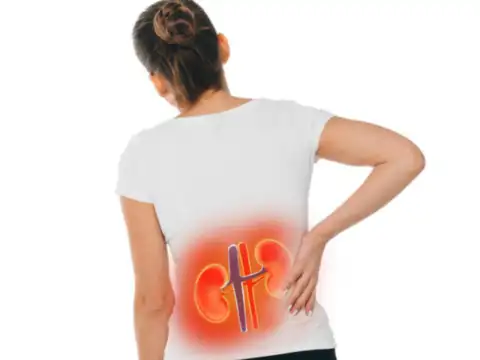
Kidney Strain
Your kidneys work hard to eliminate excess sodium. Over time, a high-salt diet can overburden them, increasing the risk of kidney stones and reducing overall kidney function, especially when water intake is insufficient.

6/6
Craving More Salty Foods
Salt can become addictive. The more you consume, the more your taste buds adjust, making you crave salty snacks frequently. This cycle leads to habitual overconsumption and increases long-term health risks.