
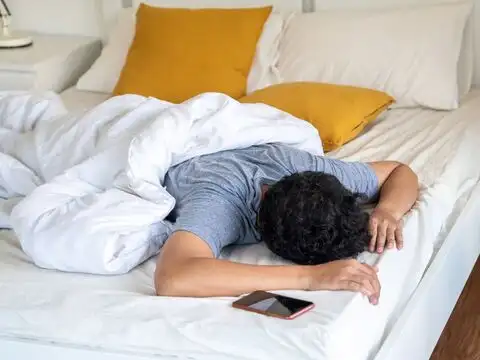
6 warning signs sleeping late is harming you
1/6
Your Skin Is Aging Faster Than It Should
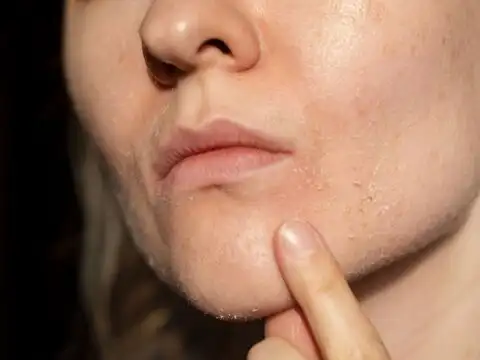
If you are noticing dullness, dryness, or fine lines appearing earlier than expected, your sleep timing could be the reason. A study published in Clinical and Experimental Dermatology found that poor sleepers had significantly lower skin barrier recovery and reduced elasticity compared to those sleeping 8 hours. Skin repairs itself at night. Late nights cut that window short.

2/6
Your Hair Is Shedding More Than Usual
A systematic review in Dermatology and Therapy found that sleep disruption triggers a proinflammatory state in the body, raising markers linked directly to hair loss conditions including telogen effluvium and alopecia. If your comb has more hair than usual and nothing else has changed, your late bedtime is worth looking at first.

3/6
You Feel Anxious Or Low Without Any Clear Reason
This is a big one that most people blame on stress alone. A Stanford University study of nearly 75,000 adults published in Psychiatry Research found that people who went to bed late had higher rates of mental and behavioral disorders, regardless of whether they identified as night owls or early risers. Staying up late itself was the problem.
Amazon Top Deals
POWERED BY


4/6
Your Gut Feels Off And You Don't Know Why
Bloating, irregular digestion, or an unsettled stomach that you keep ignoring could be tied to your sleep schedule. Research published in PLOS ONE via NIH found that late sleepers and poor sleepers had meaningfully different gut microbiome profiles compared to those with regular early bedtimes. Your gut bacteria follow a body clock too, and late nights throw it off.
5/6
Your Blood Sugar Is Harder To Control
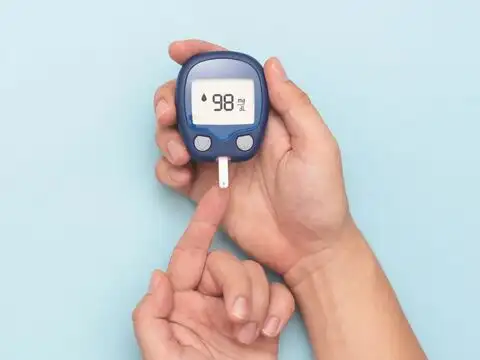
You don't have to be diabetic to notice this effect. A study in the Journal of Clinical Endocrinology and Metabolism found that night owls had higher risk of diabetes and weaker blood sugar control even when they got the same hours of sleep as early risers. The timing of sleep, not just the duration, affects how your body regulates glucose.
6/6
Your Body Is Inflamed And You Can't See It
This is the least visible but most serious sign. Research published in NIH on cardiometabolic health found that sleep disruption activates inflammatory pathways in the body, disrupts gut microbiome composition, and raises markers linked to heart disease and metabolic disorders. Chronic low-grade inflammation has no obvious symptoms early on, which is exactly what makes it dangerous.(Disclaimer: This story is for educational purposes alone and should not be considered as professional medical advice and does not substitute any medical advice.)