
6 vegetarian iron sources that are easier to absorb
1/8
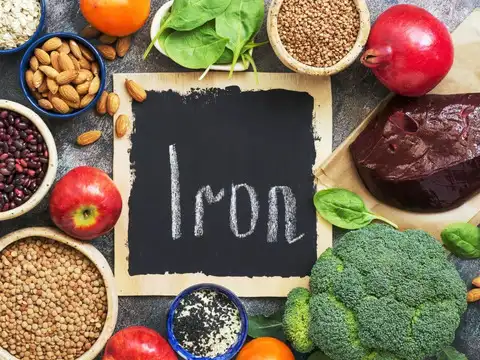
Bioavailable Plant Iron
Plant-based iron requires a strategic approach because it is sensitive to inhibitors like tannins in tea or phytates in grains. To make these seven foods "easier to absorb," always pair them with a squeeze of lemon or a side of vitamin C-rich fruit. This simple chemical reaction transforms the iron into a more soluble form, ensuring your body actually utilizes the minerals you consume for energy and blood health.
2/8
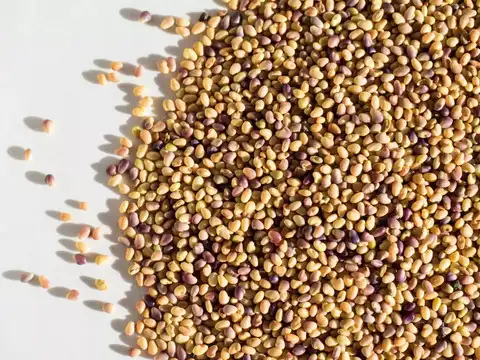
Garden Cress Seeds (Halin)
Garden cress seeds, known locally as Halim or Aliv, are perhaps the most potent vegetarian iron source available in India. Just a single tablespoon provides a massive percentage of your daily requirement. Traditional recipes often soak these seeds in lemon water or coconut water overnight, which softens them and activates the iron for rapid absorption into the bloodstream.
3/8
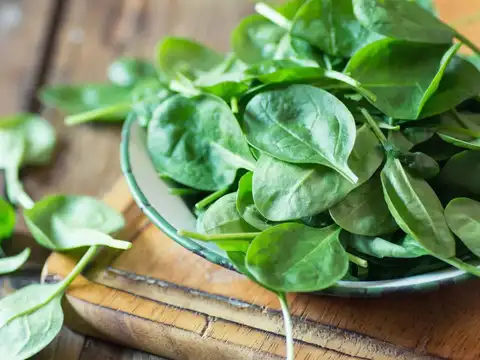
Spinach and Sustainable Greens
While spinach is famous for its iron content, it also contains oxalates that can hinder absorption if eaten raw. By lightly blanching or cooking your spinach with tomatoes or citrus, you neutralize these inhibitors and unlock the stored iron. This leafy green remains a staple for maintaining healthy hemoglobin levels when prepared with the right acidic balance.
Amazon Top Deals
POWERED BY

4/8
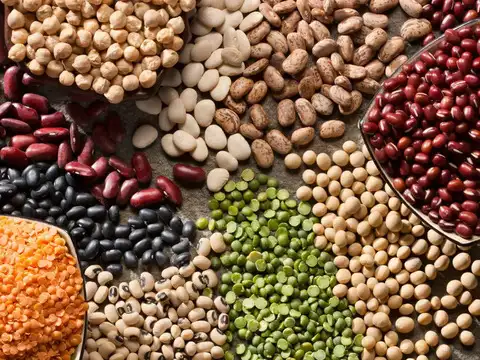
Legumes and Sprouted Lentils
Lentils like Masoor and Moong are excellent iron sources, but sprouting them is the real "cheat code" for absorption. The process of germination reduces the phytic acid that usually binds to minerals, making the iron much more accessible to your digestive system. A sprouted lentil salad with a dash of lime is a near-perfect bioavailable iron meal.
5/8
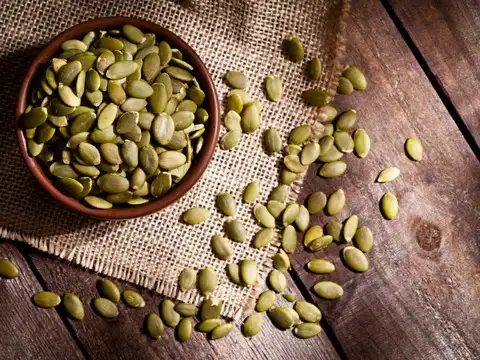
Pumpkin Seeds (Pepitas)
Pumpkin seeds are a powerhouse of non-heme iron and magnesium, making them an ideal snack for fighting fatigue. To ensure maximum absorption, it is best to eat them raw or lightly sprouted rather than heavily roasted. Just a small handful provides a significant boost to your daily iron intake while supporting your heart and immune system.
6/8
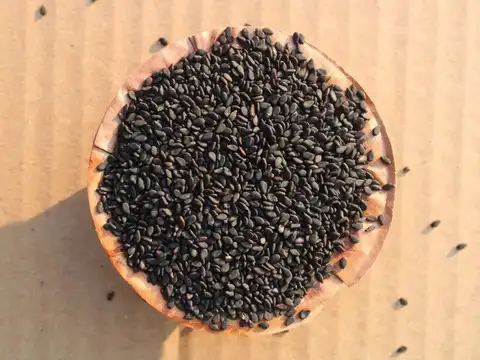
Black Sesame Seeds
Black sesame seeds are used in traditional Indian medicine to treat anemia due to their high iron and copper content. These tiny seeds are best consumed crushed or as a paste (like Tahini) to break down the outer hull, which makes the internal minerals easier for the gut to absorb. They provide a dense, nutty way to fortify your blood.
7/8
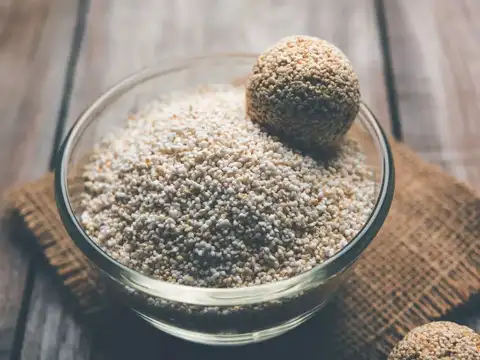
Amaranth (Rajgira)
Amaranth, or Rajgira, is a "pseudocereal" that far outperforms wheat or rice in mineral content. It is naturally high in iron and, crucially, contains lysine—an amino acid that aids in the absorption of minerals. Whether eaten as a porridge or a puffed snack, amaranth provides a high-efficiency energy source that keeps your iron stores topped up.
8/8
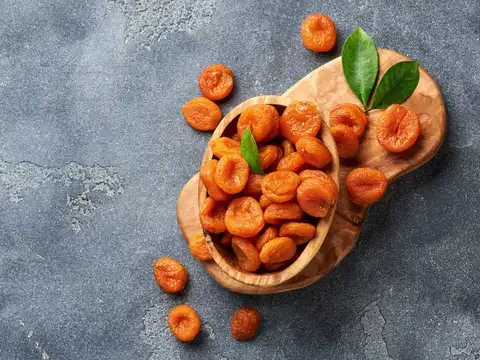
Dried Apricots and Raisins
Dried fruits like apricots and black raisins are concentrated sources of iron that also contain natural vitamin C, creating a built-in absorption system. Soaking black raisins overnight and consuming them on an empty stomach is a time-tested remedy for improving iron levels. This method hydrates the fruit and makes the nutrients instantly available for your body to process.
(Disclaimer: This story is for educational purposes alone and should not be considered as professional medical advice and does not substitute any medical advice.)
(Disclaimer: This story is for educational purposes alone and should not be considered as professional medical advice and does not substitute any medical advice.)
READ MORE:
Vegetarian Iron Sources 2026 |How to Absorb Plant Iron Faster |Garden Cress Seeds Iron Content |Sprouted Lentils for Anemia |Best Iron Rich Foods India |Amaranth Nutrition Facts |Black Sesame Seeds for Hemoglobin |Iron Absorption with Vitamin C |Pumpkin Seeds Mineral Benefits |Natural Anemia Remedies Vegetarian