
6 types of medications that should not be taken with vitamin D supplements

1/6
Steroids: risk of reducing calcium absorption
Corticosteroids like prednisone can interfere with how your body absorbs calcium and vitamin D. When taken together, steroids can actually reduce the effectiveness of vitamin D and increase your risk of bone loss. This interaction is especially concerning for people using steroids long-term for conditions like asthma, arthritis, or lupus. Doctors often recommend higher doses of vitamin D for these patients, but this should only be done under medical supervision. Always consult your physician if you're prescribed both, to adjust the dosage safely and prevent possible complications like osteoporosis or brittle bones.

2/6
Weight loss drugs: block nutrient absorption
Medications like orlistat (found in brands like Xenical or Alli) help with weight loss by blocking fat absorption. However, they can also block the absorption of fat-soluble vitamins, including vitamin D. This means your body may not get the full benefit from your vitamin D supplements, even if you're taking them regularly. Over time, this can lead to deficiencies that affect bone and immune health. If you’re on a weight loss drug, ask your doctor if you should take a separate vitamin D supplement at a different time of day.

3/6
Cholesterol-lowering drugs: statin effectiveness may drop
Statins like atorvastatin and simvastatin help lower cholesterol, but taking them with high doses of vitamin D might reduce their effectiveness. Both are processed in the liver by the same enzyme group, leading to competition that could alter drug levels. While occasional low doses of vitamin D may not cause problems, long-term use or high doses can interfere with how well statins work. If you're taking statins, your doctor might adjust your vitamin D intake or monitor your cholesterol levels more closely during the supplementation period.
Amazon Top Deals
POWERED BY


4/6
Anticonvulsants: may lower vitamin D levels
Drugs like phenytoin, phenobarbital, and carbamazepine, used to control seizures, can accelerate the breakdown of vitamin D in the liver. This means that even if you're taking vitamin D supplements, your body might not maintain adequate levels. Over time, this can lead to osteomalacia (soft bones) or even rickets in extreme cases. Patients on long-term anticonvulsant therapy should have their vitamin D levels monitored regularly. Your doctor might recommend higher doses or a different vitamin D formulation to maintain healthy bone and immune function.
5/6
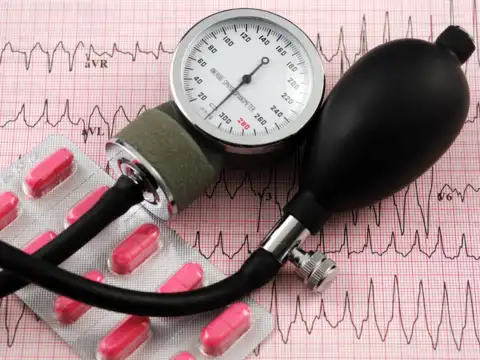
Blood pressure medications: risk of elevated calcium levels
Some thiazide diuretics, such as hydrochlorothiazide, used to manage high blood pressure, reduce the amount of calcium your kidneys excrete. When combined with vitamin D (which increases calcium absorption), this can lead to hypercalcemia, or high blood calcium levels. Symptoms may include nausea, confusion, and kidney problems. If you’re taking both, doctors usually monitor calcium levels through blood tests to avoid complications. Never combine these without your doctor’s guidance, as adjusting the dose of either may be necessary to maintain balance.
6/6
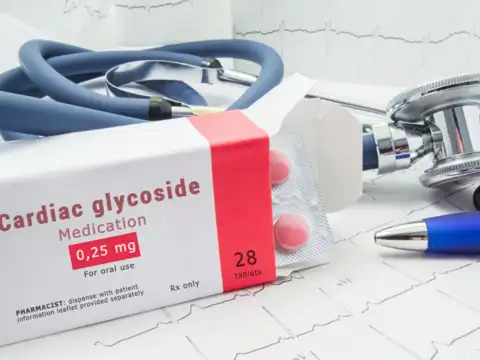
Digoxin: dangerous heart rhythm changes
Digoxin is a heart medication used to treat heart failure and arrhythmias. Taking it along with high doses of vitamin D can lead to dangerously high calcium levels, which may trigger irregular heartbeats. This interaction can be life-threatening in some cases. If you're on digoxin, it’s critical to avoid unsupervised vitamin D supplementation. Your doctor will likely test your calcium and vitamin D levels regularly and may suggest avoiding supplements altogether unless a deficiency is confirmed and can be managed with close monitoring.