
6 traditional fabrics that are indigenous to India
1/7
India’s living textile museum
India’s fabric traditions blend geography, craft lineages, and ritual into wearable art—each piece is a map of techniques passed down for centuries, from handlooms and natural dyes to metal brocades and fine embroideries.
2/7
Banarasi silk (Uttar Pradesh)
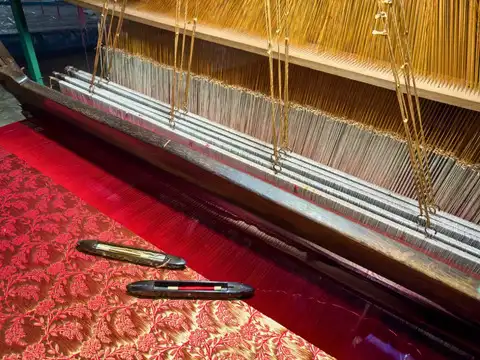
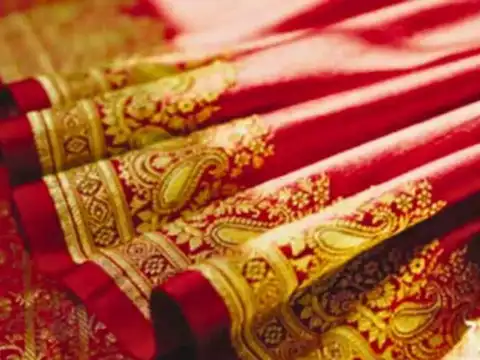
What it is: Opulent silk brocades from Varanasi with rich zari and Mughal-inspired jaal, bel, and jangla motifs; a North Indian bridal icon.How it’s made: Handloom-woven silk with metallic zari, often protected by GI labeling; look for intricate pattern clarity and weighty drape.
3/7
Kanchipuram silk (Tamil Nadu)
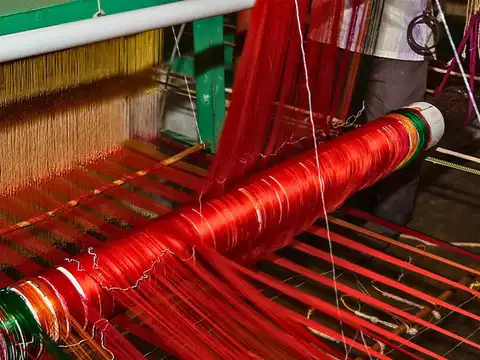
What it is: The “queen of silks,” famed for temple borders, bold contrast pallus, and durability; a South Indian wedding staple.How it’s made: Pure mulberry silk yarns with interlocked korvai borders and real zari work; check for crisp motifs, heavy fall, and korvai joins.
Amazon Top Deals
POWERED BY

4/7
Patola double ikat (Gujarat, Patan)
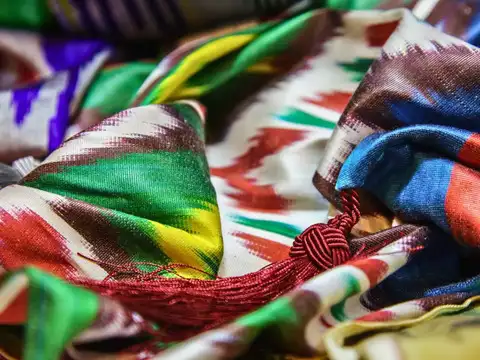
What it is: A rare double ikat where both warp and weft are tie-dyed to perfection, yielding razor-sharp reversible patterns.How it’s made: Months-long resist-dye precision by master weavers; GI recognition protects authenticity—look for identical designs on both sides.
5/7
Pochampally Ikat (Telangana/Andhra) and Sambalpuri Ikat (Odisha)
What it is: Pre-dyed yarns create signature blurred geometrics and motifs (diamonds, florals, conch, animals) in sarees and yardage.How it’s made: Tie-dye on warp or weft (single ikat) or both (rare double); GI tags exist for major clusters—seek clean pattern alignment and colorfastness.
6/7
Chanderi (Madhya Pradesh)
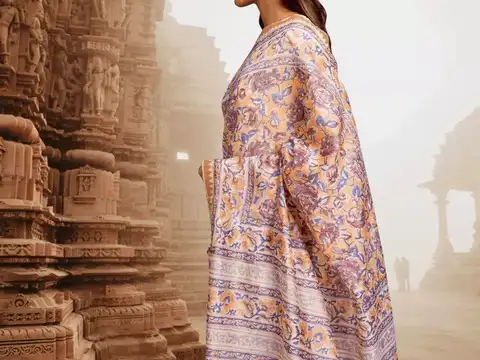
What it is: Feather-light silk-cotton with translucent sheen and delicate motifs (butis, peacocks, coin-inspired patterns) ideal for warm weather elegance.How it’s made: Handloomed silk, cotton, or silk-cotton blends; look for airy hand, subtle lustre, and fine zari borders; GI helps verify genuine make.
7/7
Bandhani (Gujarat & Rajasthan)
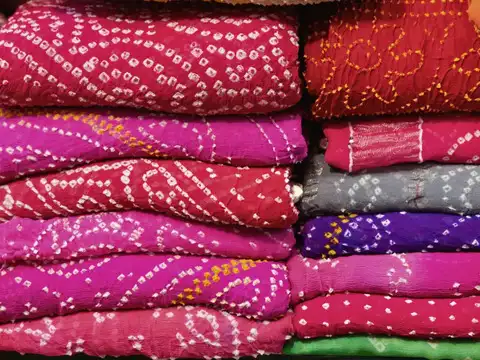
What it is: Tie-and-dye artistry forming dotted constellations and wave grids (leheriya, shikari, chandrokhani) on silk/cotton for sarees, odhnis, turbans.How it’s made: Thousands of tiny tied dots resist dye to form patterns; authentic Bandhani shows micro-pleats and soft, uneven dot edges from handwork.