
6 things your veins do when under strain
1/6
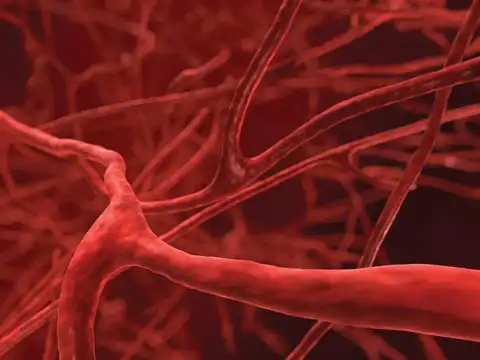
Strain happens quietly
Your vessels handle pressure daily, but chronic high blood pressure or lifestyle stress triggers a cascade of damage. The inner lining erodes, stiffness sets in, and blood flow wobbles. Understanding these shifts helps you act before real trouble brews.
2/6
Inner lining breaks down, inflammation fires up
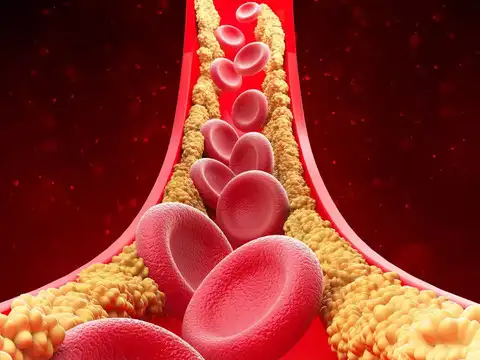
When pressure spikes, the delicate inner layer of your vessels (endothelium) sustains microscopic damage. Immune cells swarm in. Cholesterol deposits lodge in the walls. This inflammatory state fuels atherosclerotic plaque buildup and sets the stage for clots.
3/6
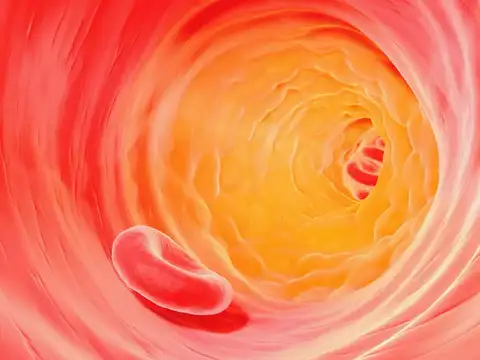
Vessel walls stiffen and thicken
The muscular layers of your arteries and veins beef up and lose their flexibility. Collagen accumulates. The vessels become rigid pipes instead of elastic tubes. Stiff arteries pump less efficiently, forcing your heart to work harder and cranking blood pressure even higher.
Amazon Top Deals
POWERED BY

atomberg Studio Smart+ 1200mm BLDC Ceiling Fan with IoT & Remote | BEE 5 star Rated Energy Efficient Ceiling Fan | High Air Delivery with LED Indicators | 3 Year Warranty (Earth Brown)
₹5,882Buy Now36%
OFF

LG 32 L Convection Microwave Oven (MC3286BRUM, Black, 360° Motorised Rotisserie for Bar-be-queing, 301 Auto Cook Menu, Stainless steel cavity, Indian Cuisine, Tandoor Se, Steam Clean & Diet Fry)
₹19,340Buy Now19%
OFF
4/6
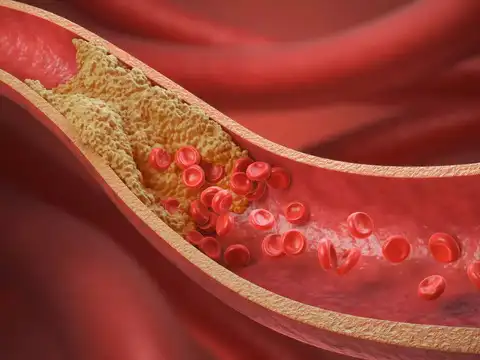
Blood flow becomes chaotic, clot risk climbs
Damaged inner lining makes blood clump. Turbulent, jerky flow replaces smooth streams. Platelets stick. Your body shifts toward a pro-clotting state. Small clots can form unexpectedly, threatening organs starved of oxygen—brain, heart, lungs included.
5/6
Oxidative stress and chemical imbalance wreak havoc
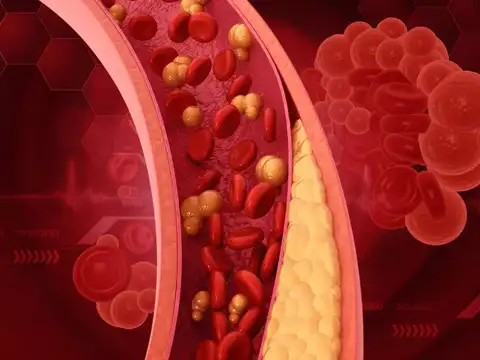
High pressure floods vessels with damaging molecules (free radicals). Nitric oxide production—which normally relaxes vessels—plummets. Your body loses its natural brake on constriction. Vessels vasoconstrict. More pressure builds. The vicious cycle intensifies relentlessly.
6/6
Vessel remodeling narrows the channel
Over months or years, thickened walls encroach on the vessel's hollow core. Blood has less room to flow. Resistance shoots up. Your kidneys, brain, and extremities get strangled for oxygen-rich blood. Organ damage sneaks up silently until symptoms scream.
(Disclaimer: This story is for educational purposes alone and should not be considered as professional medical advice and does not substitute any medical advice.)
(Disclaimer: This story is for educational purposes alone and should not be considered as professional medical advice and does not substitute any medical advice.)
READ MORE:
Vascular dysfunction symptoms |blood vessel damage high blood pressure |endothelial dysfunction causes |arterial stiffness risk factors |vein damage strain |hypertension vessel walls |blood pressure vessel damage |cardiovascular disease prevention |vessel remodeling hypertension |arterial health blood flow