
6 things that reduce oxygen delivery to your body: What you should know

1/6
Why Oxygen Matters
Your body needs oxygen constantly. When delivery falters because of anemia, heart weakness, or blocked lungs, cells start suffocating. Here are six culprits behind poor oxygen flow, broken down simply so you grasp what's really going on.
2/6
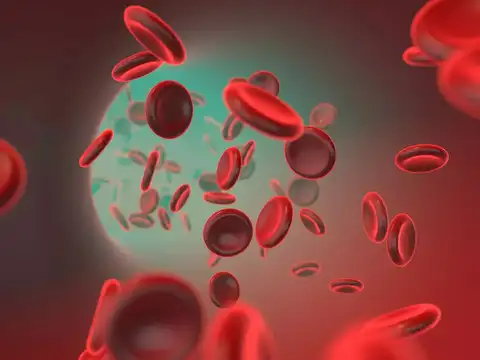
Anemia: Not Enough Oxygen Carriers
Anemia means low hemoglobin, the protein in red blood cells that grabs oxygen from lungs and delivers it everywhere. Iron deficiency causes most cases. Fewer red blood cells equals less oxygen reaching tissues, leaving you fatigued and sluggish even at rest.

3/6
Heart Failure: The Pump Gives Up
Your heart pushes blood everywhere. When it weakens from disease or damage, it can't pump hard enough. Blood sits around. Tissues starve for oxygen. You get breathlessness, swelling, and exhaustion because circulation falters and oxygen simply stalls in the system.
Amazon Top Deals
POWERED BY

Crompton Ozone 75 Litres Desert Air Cooler for home | Large & Easy Clean Ice Chamber | 4-Way Air Deflection | High Density Honeycomb Pads | Everlast Pump | Auto Fill| 3 Year Brand Warranty
₹9,798Buy Now43%
OFF

LG 32 L Convection Microwave Oven (MC3286BRUM, Black, 360° Motorised Rotisserie for Bar-be-queing, 301 Auto Cook Menu, Stainless steel cavity, Indian Cuisine, Tandoor Se, Steam Clean & Diet Fry)
₹19,340Buy Now19%
OFF
4/6
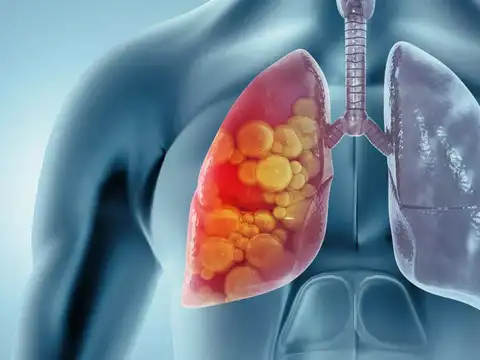
Lung Disease: Broken Gas Exchange
Lungs are supposed to swap stale air for fresh oxygen. Chronic obstructive pulmonary disease, pneumonia, or asthma wreck this trade. Oxygen can't cross from lungs into blood properly. Result: hypoxemia, where blood stays oxygen-starved no matter how much you breathe.

5/6
Carbon Monoxide Poisoning: Hijacking Hemoglobin
Carbon monoxide binds to hemoglobin way stronger than oxygen does. It blocks oxygen from attaching. Your blood technically has hemoglobin but can't carry oxygen. Faulty heaters, car exhaust, or fires cause exposure. This is insidious and dangerous because symptoms creep up.
6/6
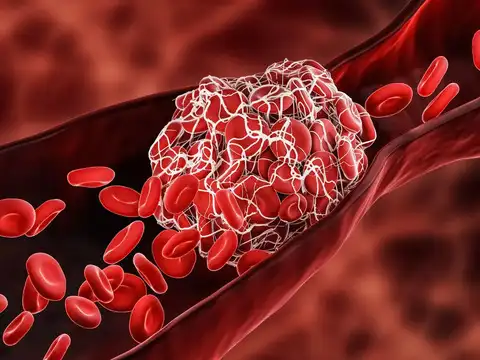
Blood Clots and Blockages: Stopping the Flow
A clot in lung arteries stops blood from reaching areas where oxygen exchange happens. Narrowed arteries force blood to squeeze through. Either way, tissues downstream don't get adequate blood flow. Oxygen reaches some cells but others get starved completely, causing tissue damage downstream.
(Disclaimer: This is purely for educational purposes only. Not professional medical advice and does not substitute for any professional medical advice.)
(Disclaimer: This is purely for educational purposes only. Not professional medical advice and does not substitute for any professional medical advice.)