
6 simple ways: How to save chapati dough from turning black
1/6
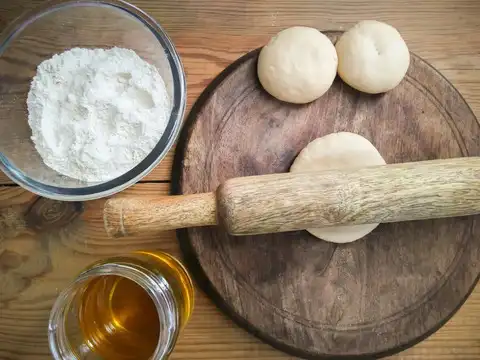
Lemon Juice "Brightening" Trick
One of the most effective yet rarely used methods is adding a few drops of fresh lemon juice while kneading your dough. You won't taste the sourness, but the natural acidity acts as a shield that prevents the flour from reacting with oxygen. This simple addition keeps the dough's color bright and white for up to two days, ensuring your chapatis look as good as they taste.
2/6
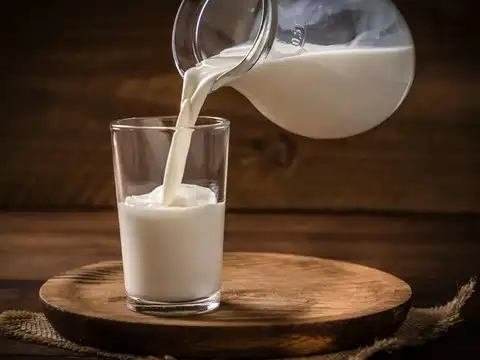
Milk-Kneading Method
Instead of using only water, try replacing half of the liquid with warm milk when preparing your dough. Most people think milk is only for softness, but the fats in the milk actually coat the starch molecules, making it harder for the air to "bruise" the dough. This creates a rich, protected mixture that stays ivory-colored and incredibly pliable, even after a long stint in the refrigerator.
3/6
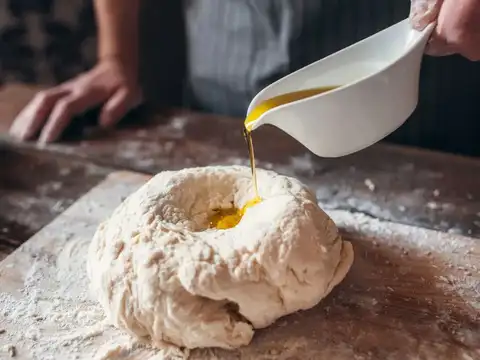
Essential Oil Seal
Once your dough is ready, the most common mistake is leaving it "naked" in a bowl. To fix this, apply a generous layer of cooking oil or ghee over the entire surface of the dough ball. Think of this as a raincoat; it blocks air from touching the surface. Without air contact, the chemical reaction that causes the black color simply cannot happen, leaving the dough soft and hydrated.
Amazon Top Deals
POWERED BY

4/6
Double-Wrap Strategy
Storing dough in a simple bowl with a loose lid is rarely enough. To truly keep it fresh, wrap the dough tightly in food-grade cling film or place it inside a high-quality zip-lock bag, squeezing out every bit of air before sealing. Then, place that bag inside an airtight container. This double-layer protection ensures that no moisture escapes and no fridge odors—or oxygen—get in to spoil the color.
5/6
Aluminum Foil Technique
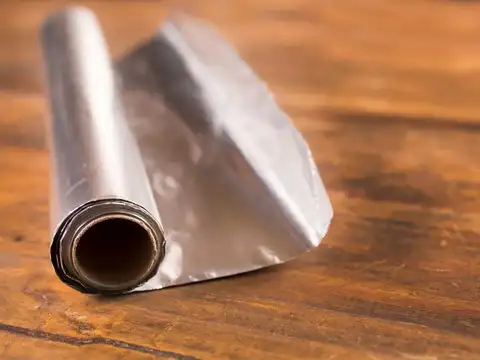
If you don't have plastic wrap, aluminum foil is a fantastic alternative that many overlook. After oiling your dough, wrap it snugly in foil. Unlike plastic containers, foil can be pressed directly against the dough’s surface, leaving zero room for air pockets. This "skin-tight" fit is one of the most reliable ways to prevent the surface from drying out and turning into that unwanted dark crust.
6/6
Boiled Water Prep
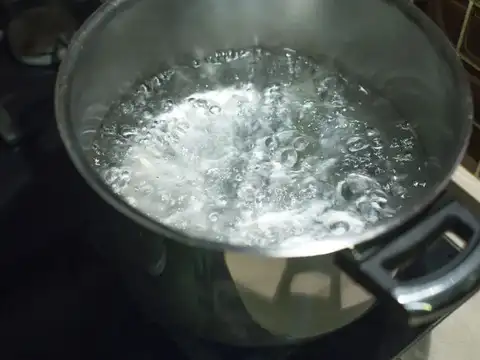
Using lukewarm or slightly hot water to knead your dough helps the gluten settle faster, but the trick for storage is to let the dough cool completely to room temperature before putting it in the fridge. If you put warm dough in a cold container, steam forms, turns into water drops, and makes the dough soggy and dark. A quick "cool down" period ensures the dough stays firm and fresh-colored throughout its storage.
(Disclaimer: This story is for educational purposes alone.)
(Disclaimer: This story is for educational purposes alone.)
READ MORE:
How to store atta without turning black |Chapati dough storage tips 2026 |Why does dough turn black in fridge |Soft roti dough secrets |Roti dough preservation methods |Keeping atta fresh for 2 days |Using lemon juice in dough |Storing chapati dough in foil |Best container for roti dough |Kitchen hacks for fresh chapatis