
6 easy ways: How to keep rotis soft as cotton for hours
1/6
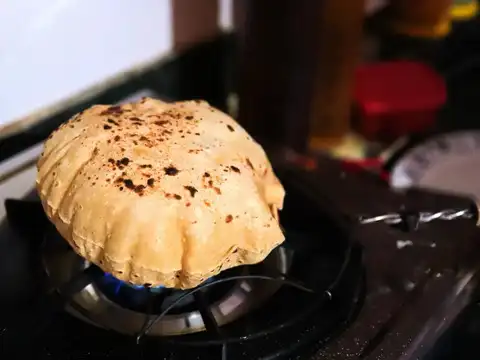
The Boiling Water Technique
Most of us use tap water to knead our atta, but the real secret used by professional chefs is using hot, nearly boiling water. When you add hot water to wheat flour, it partially "cooks" the starch and denatures the proteins, making the dough incredibly pliable and soft. This creates a structural change that traps moisture inside the roti more effectively, ensuring it doesn't dry out even after six hours in a tiffin box.
2/6
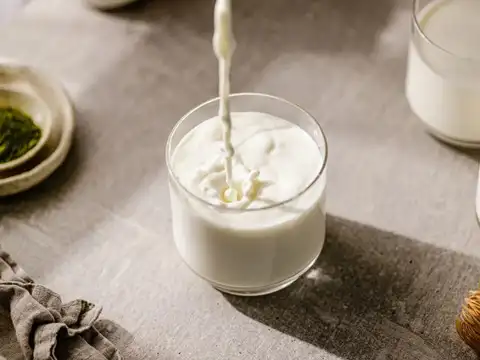
The Milk and Malai Secret
Instead of using only water, try substituting a portion of it with warm milk or a tablespoon of fresh malai (cream). The fats in the milk act as a natural emollient, coating the flour particles and preventing them from becoming brittle when exposed to heat. This traditional "Nani-Ma" hack not only makes the rotis stay soft as cotton but also adds a subtle richness that makes even a simple phulka taste like a treat.
3/6
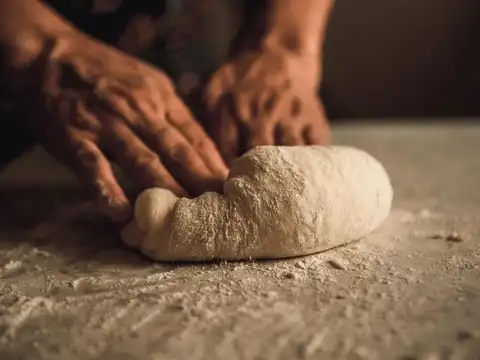
The 30-Minute Rest Rule
One of the most common mistakes is rolling out rotis immediately after kneading the dough. If you don't let the dough "rest" for at least 20 to 30 minutes, the gluten remains tight and elastic, resulting in chewy, hard rotis. Covering the dough with a damp cloth allows the moisture to distribute evenly, making the dough smoother and the final rotis much fluffier and less prone to drying out on the tawa.
Amazon Top Deals
POWERED BY

4/6
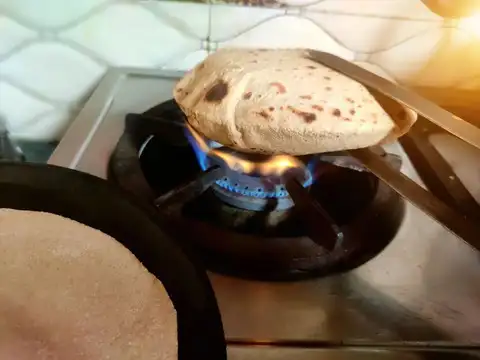
The High Flame Flash-Cook
Many people cook rotis on a low flame because they are afraid of burning them, but this actually "bakes" the moisture out of the roti, turning it into a papad. The secret is to use a high flame and cook the roti quickly. You want the roti to puff up (phulka) almost instantly. This rapid cooking seals the steam inside the layers, which keeps the interior moist while the outside gets those perfect brown spots.

5/6
The Immediate Ghee Coating
As soon as the roti comes off the tawa or the direct flame, it is at its most vulnerable state for moisture loss. Applying a small amount of ghee or white butter immediately acts as a protective seal. This layer of fat prevents the internal steam from escaping too quickly into the air. This is why "Chupadi hui Roti" always stays softer for a significantly longer duration than a dry one.

6/6
The Gingerly Cloth Wrap
Even with the best dough, rotis can become soggy or hard if stored incorrectly. Never place a hot roti directly on the metal surface of a casserole, as the steam will turn into water and make the bottom roti soggy, while the top ones dry out. Always line your dabba with a clean, 100% cotton cloth or a paper towel. The cloth absorbs the excess "sweat" from the heat while keeping the rotis cushioned in a humid, soft environment.
(Disclaimer: This story is for educational purposes alone and should not be considered as professional medical advice and does not substitute any medical advice.)
(Disclaimer: This story is for educational purposes alone and should not be considered as professional medical advice and does not substitute any medical advice.)