
6 simple moves to keep your lower back pain away
1/6
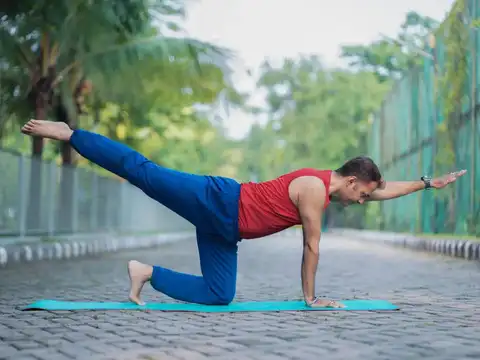
"Bird-Dog" (Balance and Length)
This move involves being on all fours and extending the opposite arm and leg at the same time. It feels unusual at first because it challenges your balance, but it is incredibly effective at "waking up" the tiny muscles that run along your vertebrae. It creates length in the spine and balances the strength on both sides of your body, preventing the lopsided posture that often leads to chronic lower back stabs.
2/6
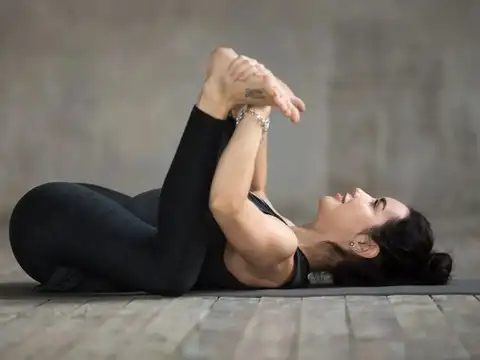
"Dead Bug" (Core Stabilization)
The Dead Bug might look strange—lying on your back and waving your limbs like an upside-down insect—but it is the gold standard for back safety. Unlike sit-ups, which can strain the spine, this move teaches your core to stay rock-solid while your arms and legs move. By keeping your lower back pressed firmly against the floor, you build an internal "corset" of muscle that protects your spine during every other daily activity.
3/6
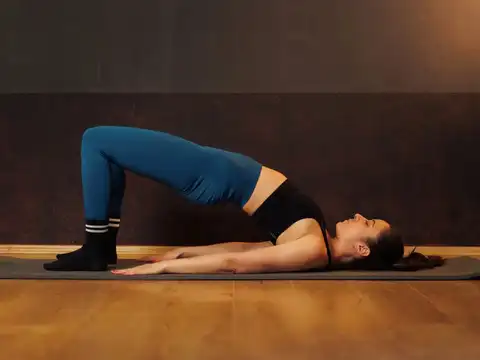
Glute Bridge (Power from the Hips)
Most back pain comes from "lazy glutes"—the large muscles in your buttocks that forget to work because we sit too much. By lying on your back and lifting your hips toward the ceiling, you force your glutes to take over the heavy lifting. This takes the massive pressure off your lower back and places it back onto the powerful muscles designed to handle it, making walking and standing feel much lighter.
Amazon Top Deals
POWERED BY

4/6
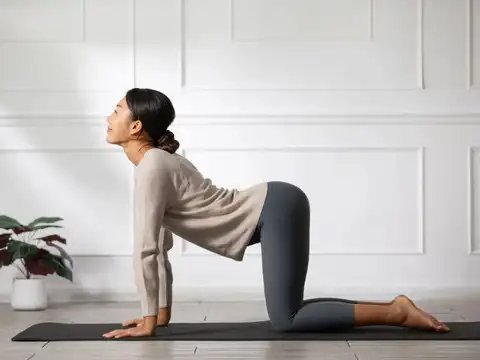
Cat-Cow Stretch (Spinal Lubrication)
This is a simple, flowing movement on your hands and knees where you alternate between arching your back like a cat and dipping it like a cow. It isn’t about strength; it’s about "greasing the wheels." This gentle rocking motion helps move fluid through your spinal discs and stretches the tight muscles of the mid and lower back, making it the perfect "reset" button after a long flight or a day at the desk.
5/6
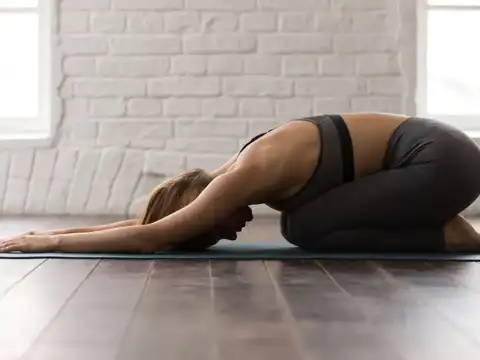
Child’s Pose (Decompression)
This classic yoga pose involves kneeling and folding your torso forward until your forehead touches the mat. It is a passive stretch that allows gravity to do the work, gently pulling your lower back apart and creating space between the vertebrae. It’s like a mini-traction session for your spine that helps calm the nervous system and release the deep-seated tension that accumulates from daily stress.
6/6
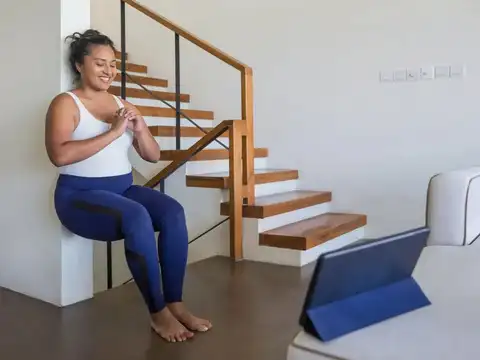
Wall Sit (Isometric Support)
Sometimes the best way to help the back is to train the legs to be stronger. By leaning your back against a flat wall and "sitting" in mid-air with your knees bent, you build incredible endurance in your thighs and core. This stable, non-moving exercise strengthens the base of your body, providing a solid foundation so your lower back doesn't have to compensate when you lift heavy objects or stand in long queues.
(Disclaimer: This story is for educational purposes alone and should not be considered as professional medical advice and does not substitute any medical advice.)
(Disclaimer: This story is for educational purposes alone and should not be considered as professional medical advice and does not substitute any medical advice.)
READ MORE:
Lower Back Pain Relief Exercises 2026 |Best Home Workouts for Back Ache |Dead Bug Exercise for Beginners |How to Do Bird Dog for Spine |Glute Bridge Benefits for Back |Cat Cow Stretch for Stiffness |Wall Sit for Core Strength |Natural Back Pain Solutions India |Daily Spinal Mobility Routine |Exercises for Sedentary Workers