
6 simple home workouts that can relieve calf pain
1/6
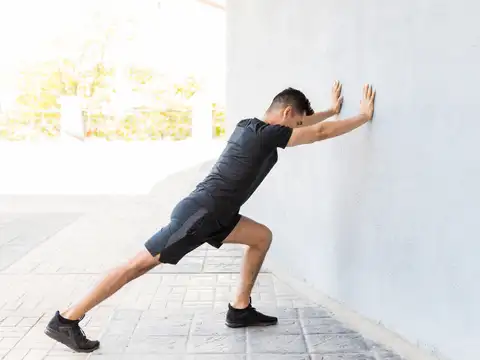
Standing Wall Calf Stretch
The standing wall stretch is the gold standard for targeting the larger, upper portion of the calf muscle. By placing your hands against a wall and extending one leg back with a locked knee, you create a deep, sustained pull that realigns muscle fibers. This simple movement is essential for reversing the tightening effects of wearing heeled shoes or sitting for long periods, providing immediate relief to the back of the lower leg.
2/6
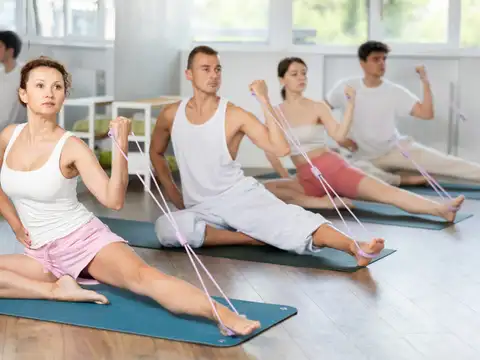
Seated Towel or Band Stretch
For those experiencing acute pain that makes standing difficult, the seated towel stretch offers a safer, more controlled alternative. By sitting with your legs extended and looping a towel around the ball of your foot, you can gently pull your toes toward your shin. This active isolation allows you to modulate the intensity of the stretch, effectively lengthening the Achilles tendon and the deep calf tissues without putting weight on the limb.
3/6
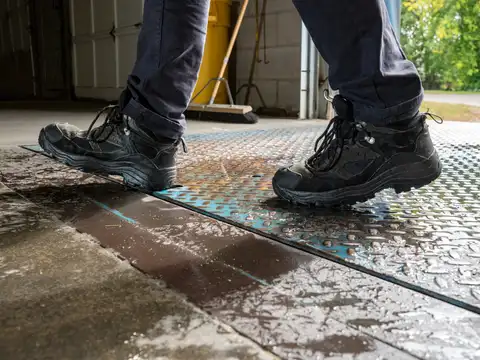
Eccentric Heel Drops
Eccentric exercises focus on the "lengthening" phase of a movement, which is highly effective for treating chronic calf strain and tendonitis. By standing on the edge of a step and slowly lowering your heels below the level of the step, you put the muscle under tension while it is in an elongated state. This process stimulates collagen production and strengthens the muscle-tendon junction, making your calves more resistant to future injury and fatigue.
Amazon Top Deals
POWERED BY

4/6
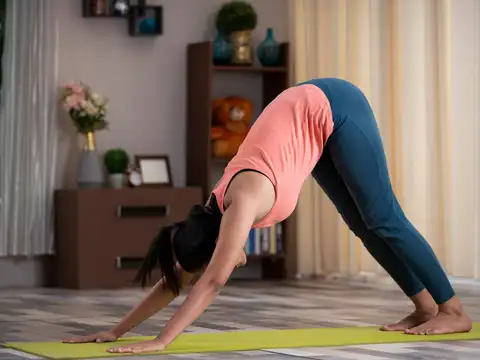
The Downward-Facing Dog
Borrowed from traditional yoga, the Downward-Facing Dog is a powerful multi-joint movement that stretches the calves, hamstrings, and lower back simultaneously. By pushing your hips toward the ceiling and gently "pedaling" your feet—alternately pressing each heel toward the floor—you create a dynamic stretch that improves circulation. This inverted posture helps flush metabolic waste from the lower legs, significantly reducing the sensation of "heavy" or aching calves.
5/6
Soleus Wall Sit Stretch
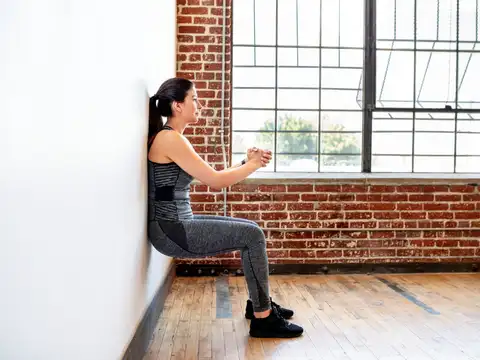
Many people forget that the calf has a deeper layer called the soleus, which is best stretched when the knee is bent. By leaning against a wall in a partial squat position and pressing your heels firmly into the ground, you shift the tension from the surface muscles to the deeper fibers. This specific stretch is vital for runners and walkers, as the soleus is responsible for absorbing most of the impact during forward motion.
6/6
Tennis Ball Myofascial Release
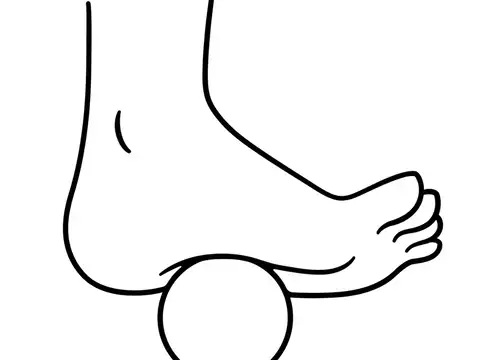
Using a tennis or lacrosse ball allows you to perform "trigger point" therapy on knots within the calf muscle that stretching alone cannot reach. By sitting on the floor and placing the ball under the meaty part of your calf, you can use your body weight to apply pressure to tight spots. Rolling the ball slowly back and forth breaks up adhesions in the fascia, restoring smooth movement and eliminating the sharp pains caused by muscle "knots."
(Disclaimer: This story is for educational purposes alone and should not be considered as professional medical advice and does not substitute any medical advice.)
(Disclaimer: This story is for educational purposes alone and should not be considered as professional medical advice and does not substitute any medical advice.)
READ MORE:
Calf Pain Relief Exercises 2026 |Home Workouts for Tight Calves |How to Stretch Soleus Muscle |Achilles Tendonitis Home Treatment |Eccentric Heel Drops for Calf Pain |Downward Dog for Leg Flexibility |Myofascial Release Calf Pain |Standing Wall Calf Stretch Guide |Best Lower Leg Recovery 2026 |Prevent Calf Cramps at Home