
6 signs your joints are under strain
1/7
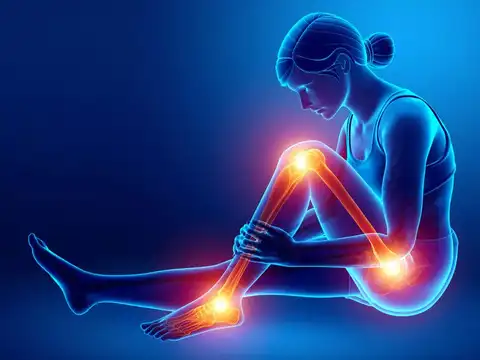
Catching strain before it becomes damage
Your joints talk; you just need to listen. Strain creeps up quietly through subtle aches and morning tightness before turning into serious problems. Understanding these six telltale signs helps you take action early, preventing months of regret later.

2/7
Sharp or nagging pain during everyday movement
Pain that flares when you climb stairs, bend down, or carry groceries is your body waving a red flag. Unlike sudden injury pain, joint strain pain lingers and worsens with activity, then eases with rest. Don't ignore the pattern.
3/7
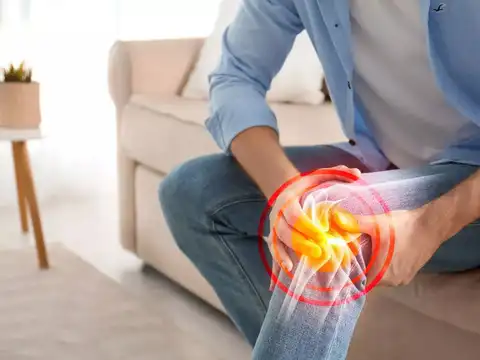
Stiffness that greets you in the morning
Waking up feeling like your joints are rusted hinges is classic strain. Morning stiffness that gradually loosens within 30 minutes as you move around points to wear inside the joint. If it persists beyond that, get it checked.
Amazon Top Deals
POWERED BY

4/7
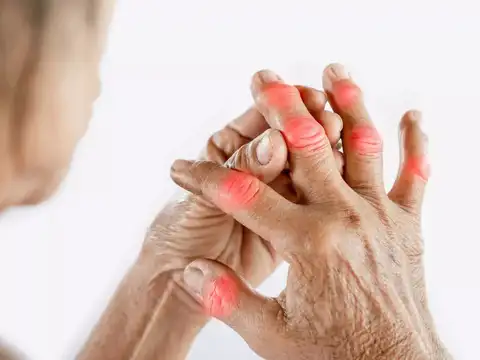
Swelling, warmth, or tenderness around the joint
When a joint looks puffier than its twin or feels warm to touch, inflammation is happening underneath. Poke around gently; if it's tender, strain has triggered a protective swelling response. This isn't normal wear.

5/7
Grinding, clicking, or crunching sounds during movement
Hear crackling when you bend your knee or grinding in your shoulder? That's crepitus, a telltale sign cartilage isn't smooth anymore. Occasional popping is fine; consistent grinding suggests accelerating wear. The noise is real damage speaking.
6/7
Reduced range of motion or catching sensation
When your joint won't bend or straighten fully, or feels like it's catching mid-movement, cartilage roughness is restricting flow. Some days feel locked; other days looser. This inconsistency signals progressive strain.
7/7
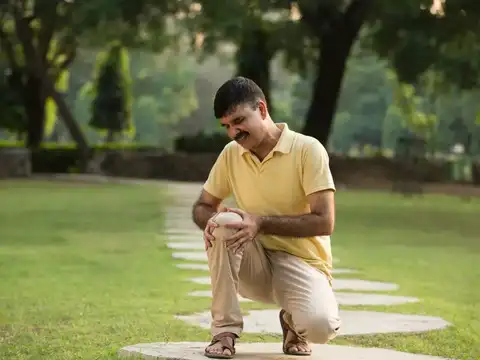
Wobbly instability or the joint giving way
Feeling like your ankle might roll or your knee might buckle during normal walking is dangerous. Strain weakens the supporting structures around the joint. Instability means cartilage and ligaments are compromised. See a specialist.
(Disclaimer: This is purely for educational purposes only. Not professional medical advice and does not substitute for any professional medical advice.)
(Disclaimer: This is purely for educational purposes only. Not professional medical advice and does not substitute for any professional medical advice.)