
6 signs of low oxygen delivery to heart

1/6
Why your heart gasps for air
Your heart needs constant oxygen-rich blood to beat properly. When arteries narrow or blood flow drops, the muscle starves. Think of it like a runner trying to sprint without proper air, except this runner is your life pump. Early warning signals are your ticket to catching trouble before it spirals.

2/6
Chest pressure and radiating pain
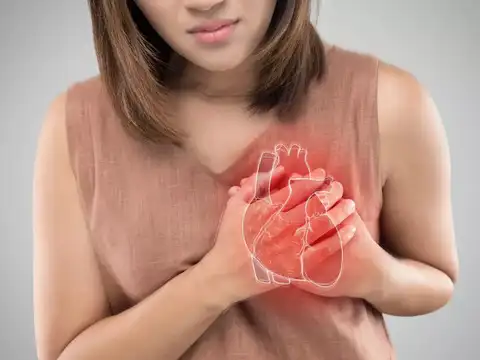
Tightness, heaviness, or squeezing across your chest is the hallmark call. Pain often spreads to arms, neck, jaw, or back when oxygen is scarce. Even dull ache matters. Stabbing sensations worsening with breath deserve immediate attention. Never dismiss unexplained chest discomfort, especially paired with sweating or nausea.

3/6
Breathlessness on exertion and at rest
Gasping while climbing stairs or walking short distances signals oxygen trouble. Worse still: shortness of breath while lying down or waking up suddenly breathless. Your lungs fill with backed-up fluid when heart output drops. This isn't fitness woes—it's your heart struggling to push blood efficiently through failing vessels.
Amazon Top Deals
POWERED BY

Crompton Ozone 75 Litres Desert Air Cooler for home | Large & Easy Clean Ice Chamber | 4-Way Air Deflection | High Density Honeycomb Pads | Everlast Pump | Auto Fill| 3 Year Brand Warranty
₹9,798Buy Now43%
OFF

LG 32 L Convection Microwave Oven (MC3286BRUM, Black, 360° Motorised Rotisserie for Bar-be-queing, 301 Auto Cook Menu, Stainless steel cavity, Indian Cuisine, Tandoor Se, Steam Clean & Diet Fry)
₹18,780Buy Now22%
OFF
4/6
Exhaustion and mysterious weakness
Bone-deep tiredness hitting without reason often masks oxygen deprivation. You feel drained after minimal effort, strength drains fast, and energy vanishes. Women especially report this creeping fatigue. Your muscles scream for oxygenated blood your weakened heart can't reliably deliver, triggering this relentless worn-out feeling.

5/6
Heart racing and irregular beats
Pounding sensations, flutter-like feelings, or pulse exceeding 100 beats per minute at rest signal distress. Your heart compensates for poor oxygen by working harder and faster. Palpitations, skipped beats, or sudden rapid thumping warrant evaluation. These aren't nerves—they're electrical misfires from a hypoxic muscle struggling.

6/6
Dizziness, confusion, and fainting spells
Brain fog, light-headedness, spinning rooms, or passed-out moments happen when oxygen delivery fails. Confusion, poor concentration, anxiety, and that impending-doom feeling plague low-oxygen states. Skin paleness joins this cluster. These neurological signals indicate your brain isn't getting enough oxygenated blood, screaming for immediate help.
(Disclaimer: This story is for educational purposes alone and should not be considered as professional medical advice and does not substitute any medical advice.)
(Disclaimer: This story is for educational purposes alone and should not be considered as professional medical advice and does not substitute any medical advice.)