
6 reasons a headless snake can still bite and move
1/6
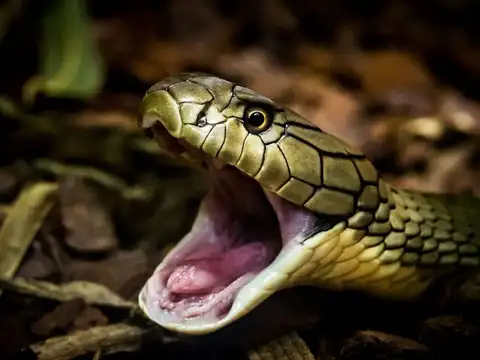
Decentralized Nervous System
A snake’s nervous system is not centralized in the brain to the same extent as a human's; instead, it is distributed in segments along its incredibly long spinal cord. Each section of the snake possesses its own "mini-brain" or nerve bundles capable of coordinating complex muscle movements without a command from the head. This allows the body to maintain rhythmic slithering or defensive coiling even when the primary connection to the brain has been severed.
2/6
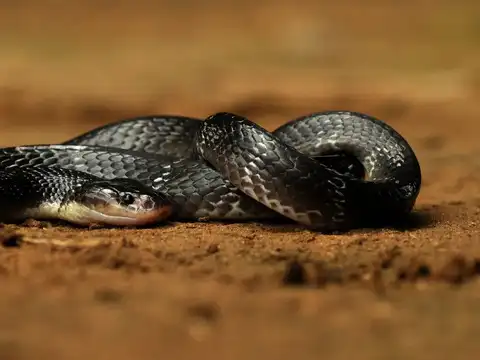
Low Metabolic Oxygen Demand
Snakes are cold-blooded ectotherms with exceptionally slow metabolisms compared to warm-blooded animals. Their tissues do not require a massive, instantaneous flow of oxygen to remain functional for short periods. This low metabolic rate means that after decapitation, the cells in the snake's body do not die immediately; they continue to utilize residual oxygen and ATP (cellular fuel) to power muscle contractions for several minutes or even hours.
3/6
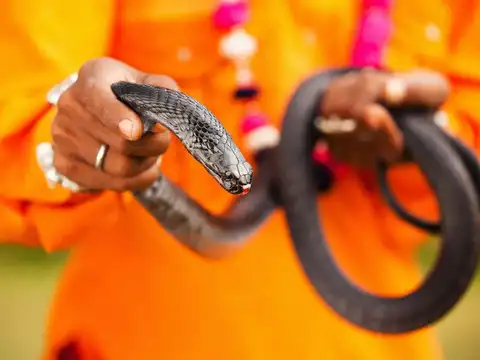
The Reflex Arc Mechanism
The snake’s body is hardwired with "reflex arcs," which are neural pathways that bypass the brain entirely to produce a physical reaction to external stimuli. If the headless body is touched or moved, sensors in the skin send a signal directly to the spinal cord, which then triggers a strike or a coil. This automated response is an evolutionary advantage designed to protect the snake from predators, even when the animal is technically no longer "alive" in a conscious sense.
Amazon Top Deals
POWERED BY

Crompton Ozone 75 Litres Desert Air Cooler for home | Large & Easy Clean Ice Chamber | 4-Way Air Deflection | High Density Honeycomb Pads | Everlast Pump | Auto Fill| 3 Year Brand Warranty
₹9,798Buy Now43%
OFF

LG 32 L Convection Microwave Oven (MC3286BRUM, Black, 360° Motorised Rotisserie for Bar-be-queing, 301 Auto Cook Menu, Stainless steel cavity, Indian Cuisine, Tandoor Se, Steam Clean & Diet Fry)
₹19,090Buy Now20%
OFF
4/6
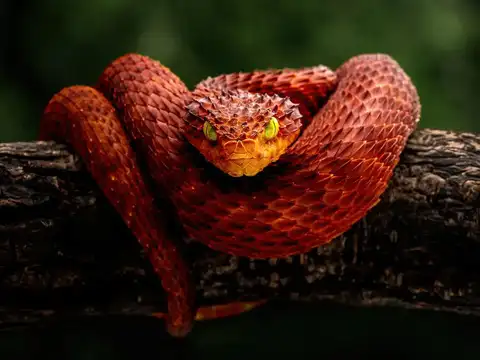
Distributed Pacemaker Cells
In many snake species, the heart is equipped with its own internal pacemakers that do not require constant input from the central nervous system to function. After the head is removed, the heart can continue to pump blood through the body for a significant amount of time. This sustained circulation keeps the peripheral nerves "awake" and responsive, allowing the body to maintain a semblance of life and movement long after the primary brain has ceased to function.
5/6
Anaerobic Muscle Capability
Snake muscles are highly adapted for anaerobic activity, meaning they can generate bursts of energy without the immediate presence of oxygen. When a snake is decapitated, its muscles can still fire by breaking down stored glycogen into lactic acid. This chemical process provides the mechanical energy needed for the violent thrashing and coiling movements seen in the aftermath of a fatal injury, serving as a final, reflexive defensive display.
6/6
Heat-Sensing Nerve Persistence
The nerves responsible for sensing heat and vibration are incredibly hardy and remain active even in a severed state. If the body or even the severed head of a venomous snake detects a heat source—such as a human hand—nearby, the remaining neural energy can trigger a final, venomous bite or a defensive lunge. This persistence is why experts warn that a decapitated snake remains extremely dangerous, as its specialized sensory nerves are still scanning for threats in its final moments.
(Disclaimer: This story is for educational purposes alone and should not be considered as professional medical advice and does not substitute any medical advice.)
(Disclaimer: This story is for educational purposes alone and should not be considered as professional medical advice and does not substitute any medical advice.)
READ MORE:
Why Do Decapitated Snakes Move |Snake Reflexes After Death Science |How Long Can a Severed Snake Head Bite |Reptile Nervous System Explained |Ectotherm Metabolism and Decapitation |Snake Spinal Cord Reflex Arc |Is a Decapitated Snake Still Alive |Can a Dead Snake Bite You |Biological Reasons for Snake Movement |