
6 physical signs of reduced blood flow
1/6
Listen to what your body's telling you
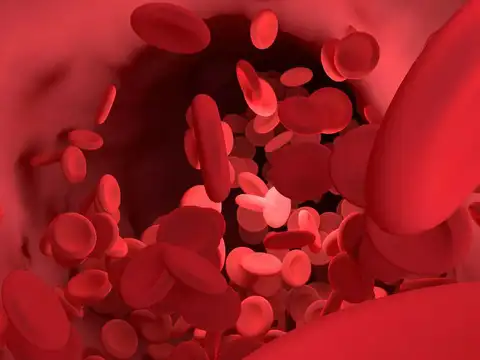
Your body communicates distress through visible, tangible signs. When blood circulation weakens, oxygen-rich blood struggles to reach your extremities, triggering symptoms that grow harder to ignore. Early recognition matters enormously. Consult your doctor if these persist beyond a week.
2/6
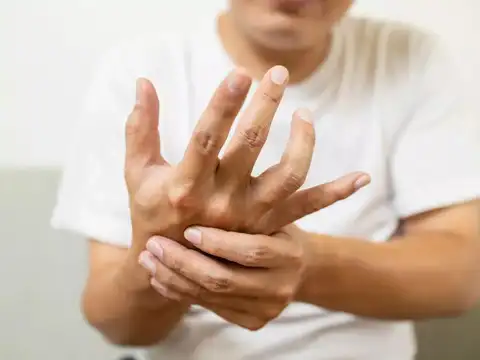
Persistent numbness and tingling sensations
Imagine pins and needles that don't fade. When arteries narrow, your extremities starve for oxygen. Hands, feet, fingers and toes tingle persistently. This "pins-and-needles" sensation signals your nerves aren't receiving adequate blood supply. It's not the temporary drowsiness from a crossed leg. It's unrelenting.
3/6
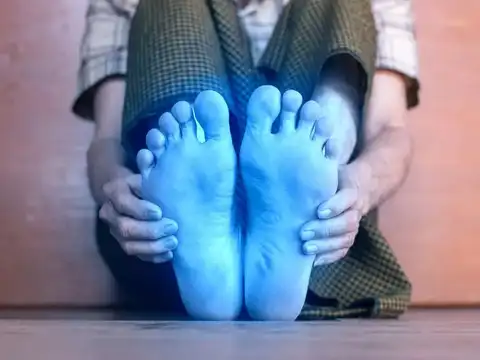
Cold hands and feet despite warm weather
Your fingers and toes stay perpetually frigid while your torso feels normal. Poor blood flow can't generate sufficient warmth in distant body parts. This happens because narrowed arteries deliver less warm blood downward. Compare your extremities to your core temperature. Cold digits warrant investigation.
Amazon Top Deals
POWERED BY


4/6
Skin discoloration: pale, blue, or purple hues
Watch your fingertips and toenails closely. Reduced oxygen creates visible color shifts - pale, bluish, or purplish tones appearing on skin. Cyanosis, the medical term, indicates insufficient oxygen saturation. This discoloration differs from natural pigmentation and warrants prompt medical attention.

5/6
Leg pain or cramping when walking (claudication)
Your calf muscles ache during walks, then improve with rest. This cramping, called claudication, signals arteries are too narrow for muscle demands during activity. It's not normal aging. Narrowed blood vessels restrict oxygen delivery to leg muscles. Don't dismiss it as growing older.
6/6
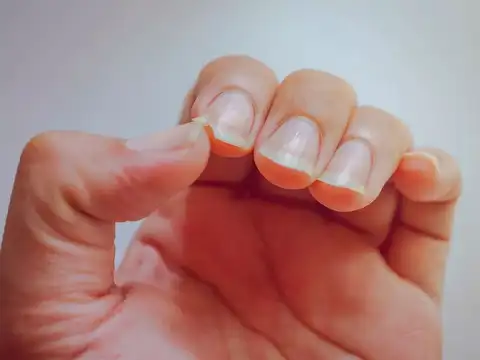
Weak, brittle nails and thinning hair on legs
Your toenails crack easily or grow sluggishly. Leg hair thins noticeably. These changes occur because hair and nail cells require consistent nutrient delivery through blood flow. Starved of oxygen and nutrients, they weaken. This gradual deterioration reflects deeper circulatory compromise.
(Disclaimer: This is purely for educational purposes only. Not professional medical advice and does not substitute for any professional medical advice.)
(Disclaimer: This is purely for educational purposes only. Not professional medical advice and does not substitute for any professional medical advice.)