
6 natural electrolyte foods better than sports drinks
1/7
Nature’s Hydration
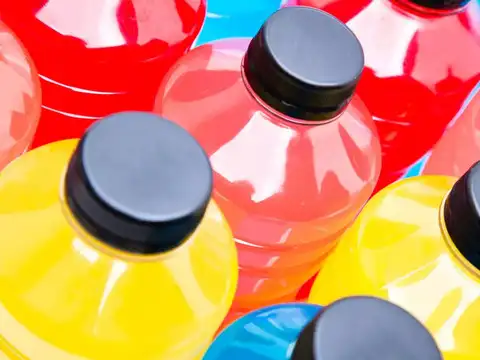
Electrolytes are essential minerals—like sodium, potassium, and magnesium—that carry an electrical charge to power your muscles and nerves. While commercial drinks offer a quick fix, they often come with unnecessary calories and chemical additives. In 2026, the shift toward "functional whole foods" has revealed that natural sources provide a more complex and beneficial mineral profile, ensuring your body stays hydrated and your heart rhythm remains steady during intense activity.

2/7
Coconut Water — Nature’s Isotonic Drink
Coconut water is often called "Nature's Gatorade" because its electrolyte balance is nearly identical to human blood. It is exceptionally high in potassium—exceeding the levels found in most sports drinks—which is critical for preventing muscle cramps and regulating blood pressure. Because it is naturally low in sugar and free from artificial flavors, it provides a clean, bioavailable way to replenish fluids after a workout or a long day in the sun.
3/7
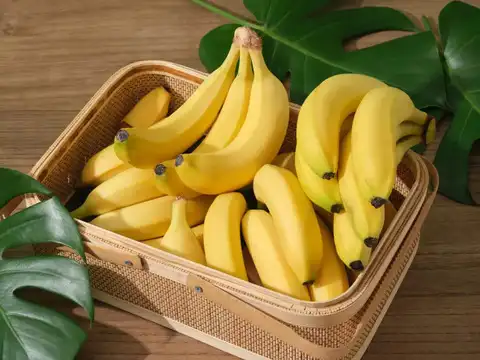
Bananas — The Portable Potassium Powerhouse
A single medium banana contains over 400mg of potassium, making it the perfect pre-workout snack to ensure smooth muscle function. Unlike liquid drinks that pass through the system quickly, the fiber in bananas provides a sustained release of natural sugars for energy. This slow-burn fuel, combined with magnesium and Vitamin B6, helps maintain fluid balance within your cells, preventing the post-exercise "crash" often associated with sugary beverages.
Amazon Top Deals
POWERED BY

4/7
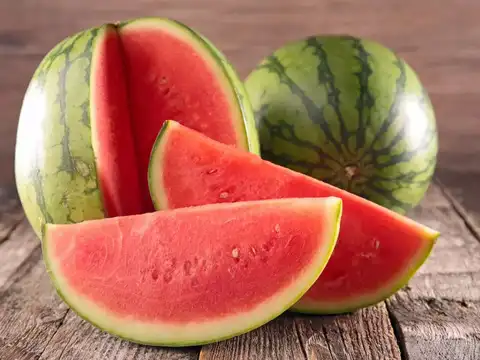
Watermelon — The Hydration Hero
Consisting of over 90% water, watermelon is a hydration heavyweight that delivers a refreshing dose of potassium and magnesium. Unique to this fruit is L-citrulline, an amino acid that improves blood flow and significantly reduces muscle soreness after physical exertion. By snacking on watermelon or drinking its fresh juice, you get the double benefit of immediate rehydration and an accelerated recovery process that no synthetic drink can match.
5/7
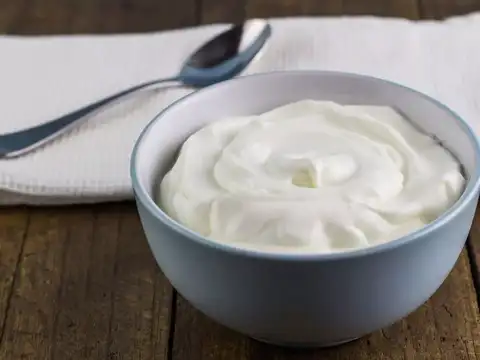
Greek Yogurt — The Mineral-Dense Snack
Yogurt is an unexpected electrolyte champion, offering a rich supply of calcium and phosphorus along with natural sodium. While sports drinks focus almost exclusively on salt, yogurt provides the minerals necessary for bone density and nerve transmission. Its protein content also aids in muscle tissue repair, making it a superior post-workout recovery food that keeps your metabolic electrolytes in check while rebuilding your strength.
6/7
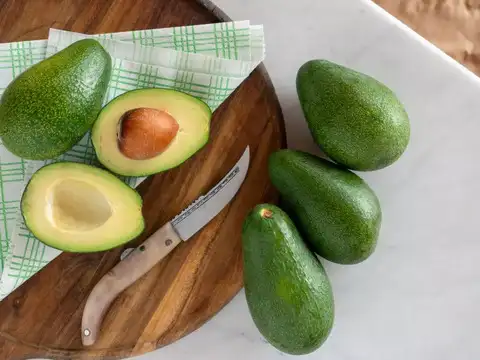
Avocados — The Magnesium Juggernaut
Avocados actually contain more potassium than bananas and are a rare fruit source of magnesium. These two minerals work in tandem to regulate your heart rate and prevent the fatigue that follows heavy sweating. The healthy monounsaturated fats in avocados also help your body absorb other fat-soluble vitamins, providing a steady stream of energy that prevents the blood sugar spikes and dips common with commercial hydration products.
7/7
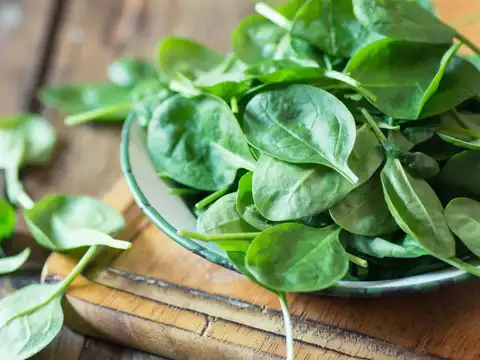
Spinach — The Leafy Green Battery
Dark leafy greens like spinach are nutritional batteries loaded with magnesium, calcium, and potassium. Magnesium is the "master mineral" for over 300 biochemical reactions in the body, including the electrical signals that tell your heart to beat. Incorporating spinach into a smoothie or meal ensures your nervous system has the raw materials it needs to maintain peak performance, making it a far more sophisticated electrolyte source than any flavored water.
(Disclaimer: This story is for educational purposes alone and should not be considered as professional medical advice and does not substitute any medical advice.)
(Disclaimer: This story is for educational purposes alone and should not be considered as professional medical advice and does not substitute any medical advice.)
READ MORE:
Natural Electrolyte Foods vs Sports Drinks |Best Foods for Hydration 2026 |Coconut Water Potassium Content |Banana Electrolyte Benefits |Watermelon for Muscle Recovery |Magnesium Rich Foods for Athletes |Avocado Potassium vs Banana |Spinach for Electrolyte Balance |Pomegranate Juice Hydration |Natural Rehydration After Workout