
6 mythical creatures that shaped ancient stories
1/6
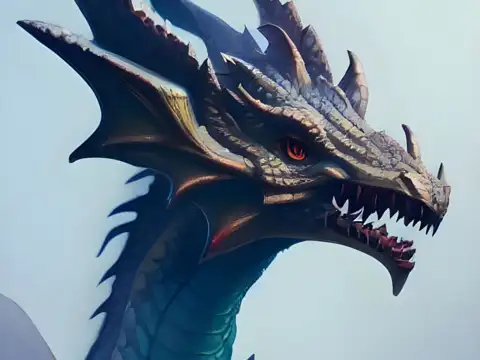
The Dragon – Symbol of Power and Chaos
Dragons are among the most universal mythical creatures, appearing in myths from East Asia to medieval Europe. In Western traditions, dragons are often seen as malevolent beasts—hoarders of treasure and bringers of destruction. Heroes like St. George or Beowulf earned eternal glory by slaying them. These dragons symbolized chaos, greed, and nature's untamable fury. Meanwhile, in Chinese mythology, dragons were revered as wise and benevolent creatures associated with water, rainfall, and imperial authority.
2/6
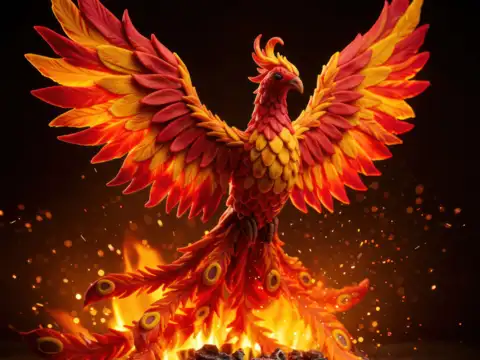
The Phoenix – Rebirth and Immortality
The phoenix, a radiant bird consumed by flames only to rise anew from its ashes, symbolizes rebirth, immortality, and eternal renewal. Originating in ancient Egyptian and Greek mythology, the phoenix represented the cyclical nature of life and the concept of resurrection. In Egyptian lore, the Bennu bird, closely related to the phoenix, was associated with the sun, creation, and the god Ra. Greek writers later adopted this idea, describing the phoenix as a bird that lived for centuries before self-immolating and regenerating.
3/6
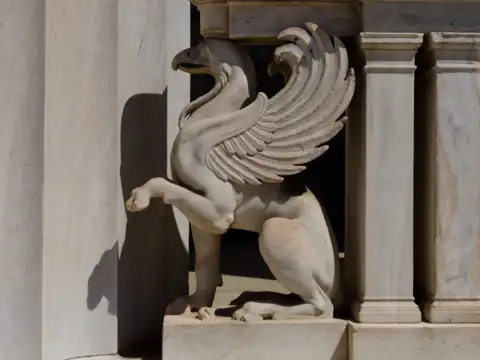
The Griffin – Guardian of the Divine
With the body of a lion and the head and wings of an eagle, the griffin was considered a powerful guardian in ancient mythology. This hybrid creature combined the king of beasts and the king of birds, symbolizing courage, strength, and divine protection. Griffins appear prominently in Persian, Greek, and Egyptian mythology, often depicted as protectors of priceless treasures and sacred places. In Greek tales, they guarded the gold of the Hyperboreans and were fierce opponents of the one-eyed Arimaspians. Their role as sentinels made them symbols of vigilance and justice.
Amazon Top Deals
POWERED BY

4/6
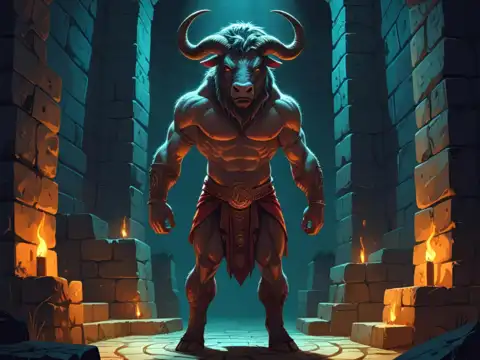
The Minotaur – Monster of the Labyrinth
Half-man, half-bull, the Minotaur is a tragic and terrifying figure from Greek mythology. Born of Queen Pasiphaë and a divine bull, the Minotaur was confined within the Labyrinth—an elaborate maze constructed by Daedalus on the island of Crete. King Minos fed him tributes of Athenian youths, a punishment for a past offense. The tale of the Minotaur is most famously tied to the hero Theseus, who entered the Labyrinth and slew the beast, symbolizing triumph over chaos and savagery. The story resonates with themes of confinement, monstrosity, and redemption.
5/6
The Qilin – Omen of Peace and Wisdom
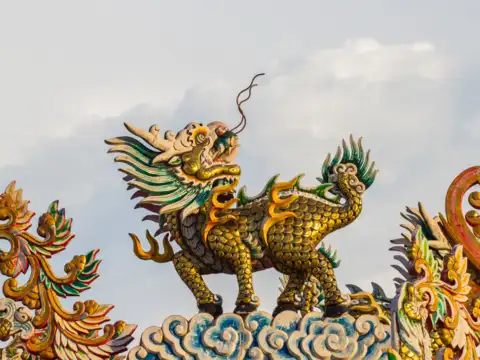
The Qilin, often referred to as the “Chinese unicorn,” is a benevolent, mystical creature from East Asian mythology believed to appear during the reign of a wise and just ruler. Depicted with the body of a deer, the tail of an ox, scales like a fish, and a single horn, the Qilin exudes grace and serenity. Unlike aggressive mythical beasts, it is gentle, walking without harming even the grass beneath its feet. Its presence was thought to herald great events—such as the birth of a sage or the arrival of peace.
6/6
The Sphinx – Riddle of Life and Death
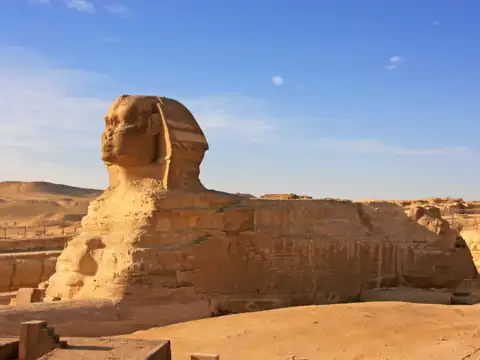
The Sphinx is a creature of riddles and mystery, with roots in both Egyptian and Greek mythology. In Egypt, the Great Sphinx of Giza—with a lion’s body and a pharaoh’s head—was a guardian of sacred spaces, symbolizing royal power, protection, and wisdom. The Greek Sphinx, however, was more ominous. She had the body of a lion, wings of a bird, and the face of a woman. Stationed outside Thebes, she posed a deadly riddle: “What walks on four legs in the morning, two at noon, and three in the evening?”