
6 most stunning birds of the tropical rainforest
1/6
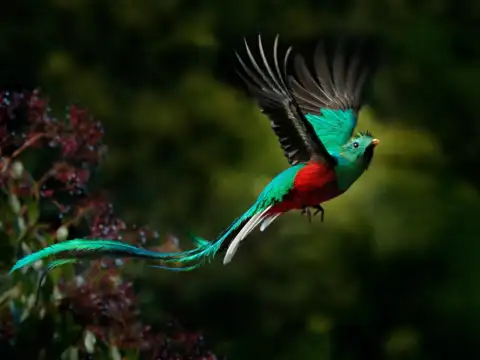
Resplendent Quetzal (Pharomachrus mocinno)
The Resplendent Quetzal is one of the most iconic and visually stunning birds in the world. Native to Central America's cloud forests, particularly in countries like Guatemala and Costa Rica, the quetzal is revered in ancient Aztec and Mayan cultures as a symbol of freedom and the divine. Males boast shimmering emerald-green feathers with a vibrant red chest and an extravagant tail that can stretch over two feet long. These tail feathers flow gracefully behind them in flight, resembling streaming ribbons of green light. They are most often found in the upper canopy, feeding on fruits like wild avocados, which they help spread through seed dispersal.
2/6
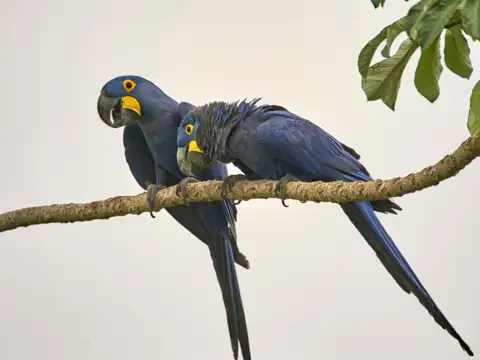
Hyacinth Macaw (Anodorhynchus hyacinthinus)
The Hyacinth Macaw, the largest flying parrot species in the world, is a breathtaking sight in the wild. Found primarily in parts of Brazil’s Pantanal region and the Amazon Basin, this bird is known for its cobalt-blue feathers and striking yellow skin around the eyes and beak. With a wingspan that can reach up to 4 feet, the Hyacinth Macaw commands attention as it soars through the rainforest canopy. It is an intelligent and social species, often seen in pairs or small flocks, feeding on hard nuts and seeds that few other animals can crack, thanks to its incredibly strong beak.
3/6
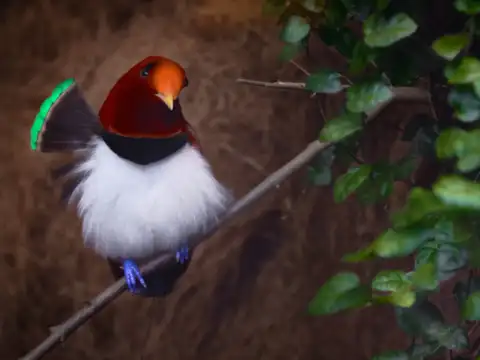
King Bird-of-Paradise (Cicinnurus regius)
Though small in size, the King Bird-of-Paradise is a visual marvel. Native to the lowland rainforests of New Guinea and nearby islands, this bird dazzles with its fiery red plumage, iridescent green breast shield, and ornamental tail wires tipped with emerald disks that shimmer in the light. Males are especially known for their elaborate courtship dances, during which they puff out their chests, vibrate their feathers, and display their tail ornaments in a captivating performance to attract a mate. Despite its flamboyant display, the King Bird-of-Paradise is elusive and prefers dense forest interiors, making it a prized sighting for ornithologists and eco-tourists.
Amazon Top Deals
POWERED BY

Crompton Ozone 75 Litres Desert Air Cooler for home | Large & Easy Clean Ice Chamber | 4-Way Air Deflection | High Density Honeycomb Pads | Everlast Pump | Auto Fill| 3 Year Brand Warranty
₹9,798Buy Now43%
OFF

LG 32 L Convection Microwave Oven (MC3286BRUM, Black, 360° Motorised Rotisserie for Bar-be-queing, 301 Auto Cook Menu, Stainless steel cavity, Indian Cuisine, Tandoor Se, Steam Clean & Diet Fry)
₹19,340Buy Now19%
OFF
4/6
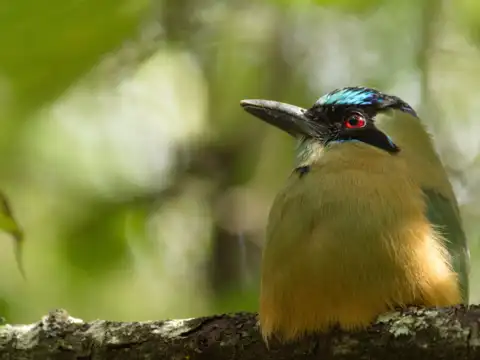
Blue-crowned Motmot (Momotus momota)
The Blue-crowned Motmot is a striking and secretive bird found in the tropical forests of Central and South America. Recognized by its vibrant green body, deep blue crown, and unique racket-tipped tail feathers, the Motmot often sits silently in the understory or mid-canopy, swaying its tail back and forth like a pendulum — a behavior thought to be a form of communication. These birds are omnivores, feeding on a mix of insects, small reptiles, and fruit. They are also cavity nesters, digging tunnels in earthen banks to lay their eggs, a rare behavior among forest birds. The Motmot’s calm demeanor and unusual appearance have made it a favorite among birdwatchers and photographers.
5/6
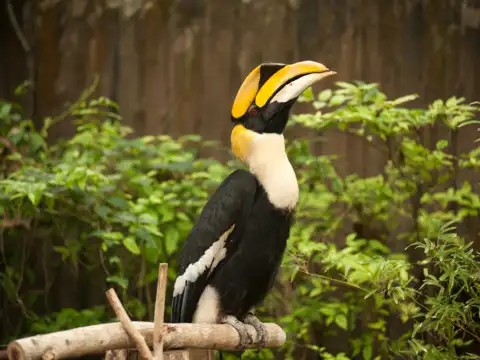
Great Hornbill (Buceros bicornis)
One of the largest and most dramatic birds of the tropical forests of Southeast Asia, the Great Hornbill is an unmistakable presence with its massive yellow casque and powerful, curved bill. These hornbills can reach lengths of up to 4 feet, and their wings produce a distinctive whooshing sound as they fly through the trees. They are monogamous and known for their extraordinary nesting behavior: the female seals herself inside a tree cavity using mud and food while incubating the eggs, relying on the male to bring food through a small slit.
6/6
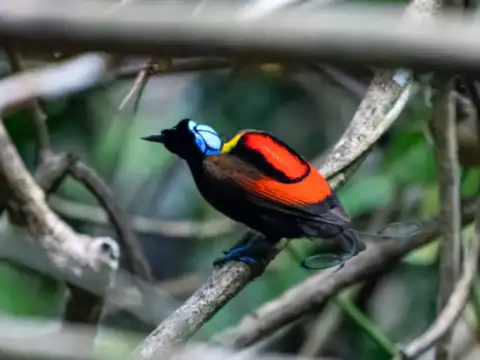
Wilson’s Bird-of-Paradise (Cicinnurus respublica)
Perhaps one of the most surreal-looking birds on Earth, Wilson’s Bird-of-Paradise is endemic to the islands of Waigeo and Batanta in Indonesia. Males are an explosion of color: neon yellow back, crimson body, turquoise-blue crown with no feathers, and curlicue tail feathers that look almost artificial. This bird’s display court is meticulously cleaned and decorated by the male, who then performs elaborate dances to attract females. This courtship ritual, along with its brilliant coloration, showcases the extraordinary outcomes of sexual selection in an isolated habitat.