
6 long-lived animals that outlast humans
1/6
The Greenland Shark
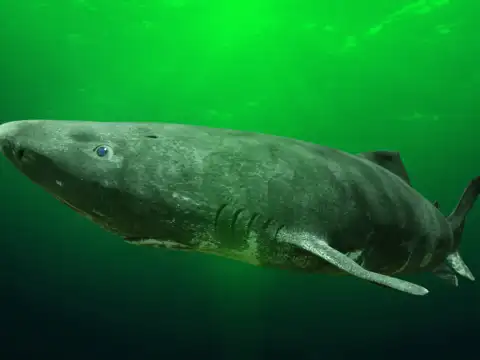
The Greenland shark holds the record as one of the longest-living vertebrates on Earth. Research suggests these sharks can live for at least 300 to 500 years, with some estimates reaching up to 600 years. Native to the cold waters of the North Atlantic, their slow metabolism contributes to their incredible lifespan. These sharks mature very slowly, often not reaching reproductive age until they are around 150 years old. Their longevity challenges our understanding of aging and offers a glimpse into how cold environments and slow growth can impact lifespan.
2/6
The Bowhead Whale
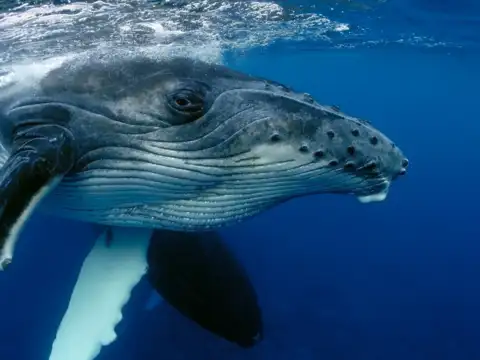
The Bowhead whale, found in Arctic and sub-Arctic waters, is another marine mammal famous for its long life. Scientists have estimated these whales can live over 200 years, with some individuals possibly reaching 211 years old. Their thick blubber and cold environment help protect them from harsh conditions. Bowhead whales show remarkable resilience to diseases and cellular damage, making them key subjects for research into longevity and aging.
3/6
The Galápagos Tortoise
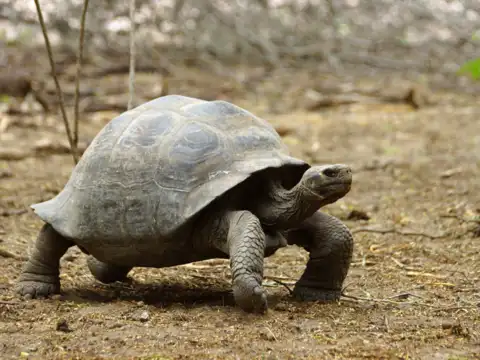
The Galápagos tortoise is a famous example of longevity among reptiles. These giant tortoises can live well over 100 years, with some individuals documented to live beyond 170 years. Known for their slow metabolism and low stress lifestyle, these tortoises age slowly and maintain health for many decades. Their long lifespan has made them symbols of endurance and conservation efforts, as they are vulnerable to environmental changes and human impact. Studying them helps us understand how metabolism and environment influence longevity.
Amazon Top Deals
POWERED BY

4/6
The Ocean Quahog Clam
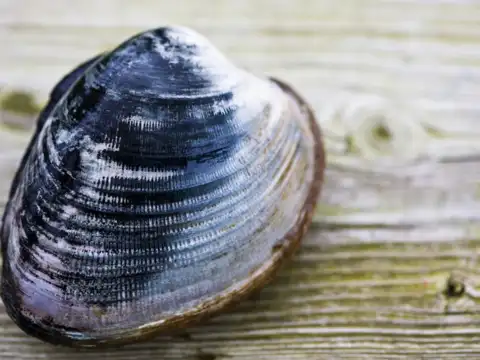
The Ocean Quahog clam is a bivalve mollusk that can live more than 500 years. One famous specimen, nicknamed "Ming," was found to be over 500 years old when scientists accidentally killed it while determining its age. These clams grow slowly and live buried deep in ocean sediments, which protects them from predators and harsh conditions. Their longevity highlights how slow growth and stable environments contribute to extraordinary lifespans in invertebrates.
5/6
The Aldabra Giant Tortoise
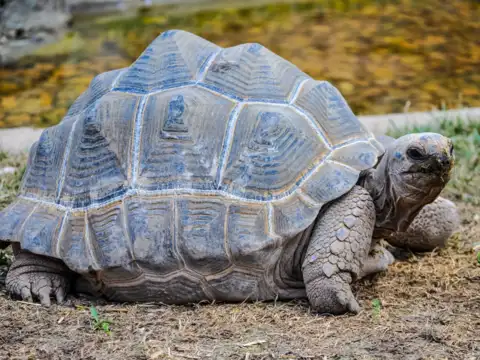
Similar to the Galápagos tortoise, the Aldabra giant tortoise is native to the Seychelles and can live for more than 150 years. These tortoises have slow metabolisms and a relaxed lifestyle, allowing them to conserve energy and reduce aging. Their impressive lifespan, combined with their role in island ecosystems, makes them an important species for ecological balance and conservation biology. Their resilience teaches us about survival strategies that promote longevity.
6/6
The Red Sea Urchin
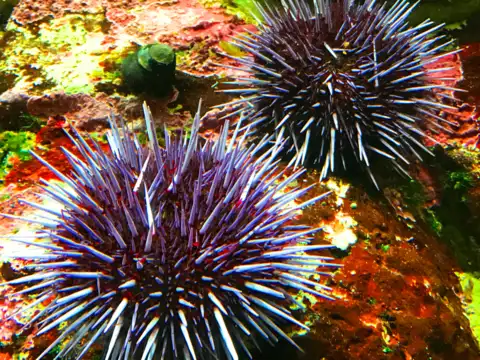
The Red Sea Urchin is an invertebrate known to live over 200 years in the wild. Found along the Pacific coast of North America, these sea urchins grow very slowly and have regenerative abilities that help repair damaged tissues. Their longevity and ability to withstand harsh marine conditions make them interesting subjects for research in marine biology and aging. They demonstrate how simple organisms can achieve remarkable lifespans through unique biological mechanisms.