
6 Indian cooking essentials which might be adulterated—watch out

1/6
What “toxic” means
“Toxic” here includes harmful adulterants, illegal dyes, and contaminants that enter food. Buy sealed packs, check labels, and use FSSAI’s at‑home tests for quick screening. Start tonight.
2/6
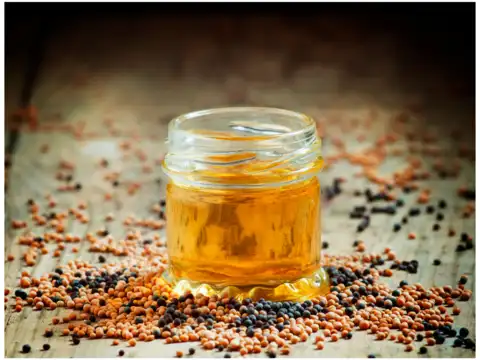
Mustard oil: argemone adulteration
Argemone oil in mustard can cause epidemic dropsy and oxidative injury. Avoid loose oil; buy ISI/FSSAI‑compliant brands and use the simple paper spot test at home.

3/6
Ghee and vanaspati: mixing and dyes
Ghee may be mixed with vanaspati or non‑edible fats and tinted with illegal “butter yellow.” Prefer AGMARK/FSSAI labels, insist on invoices, and run FSSAI spot checks.
Amazon Top Deals
POWERED BY

Crompton Ozone 75 Litres Desert Air Cooler for home | Large & Easy Clean Ice Chamber | 4-Way Air Deflection | High Density Honeycomb Pads | Everlast Pump | Auto Fill| 3 Year Brand Warranty
₹9,798Buy Now43%
OFF

atomberg Studio Smart+ 1200mm BLDC Ceiling Fan with IoT & Remote | BEE 5 star Rated Energy Efficient Ceiling Fan | High Air Delivery with LED Indicators | 3 Year Warranty (Earth Brown)
₹5,882Buy Now36%
OFF

LG 32 L Convection Microwave Oven (MC3286BRUM, Black, 360° Motorised Rotisserie for Bar-be-queing, 301 Auto Cook Menu, Stainless steel cavity, Indian Cuisine, Tandoor Se, Steam Clean & Diet Fry)
₹19,340Buy Now19%
OFF
4/6
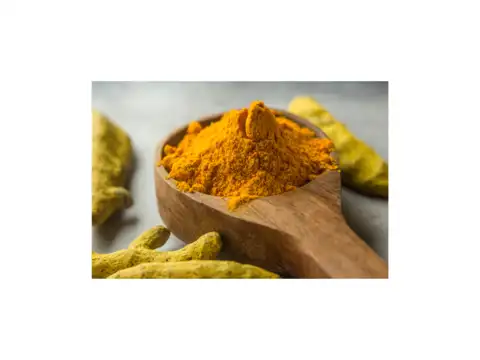
Turmeric and spices: industrial dyes, lead risk
Some turmeric and spice powders are tainted with industrial dyes or lead‑bearing colorants. Choose trusted brands, whole spices to grind fresh, and avoid ultra‑bright hues.
5/6
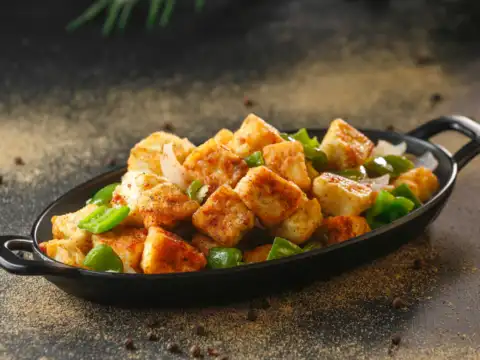
Milk and paneer: water, urea, detergent, starch
Adulteration includes dilution and non‑permitted agents to mimic solids. Source from reputable dairies, boil milk, and use FSSAI starch/detergent tests when quality seems off.
6/6
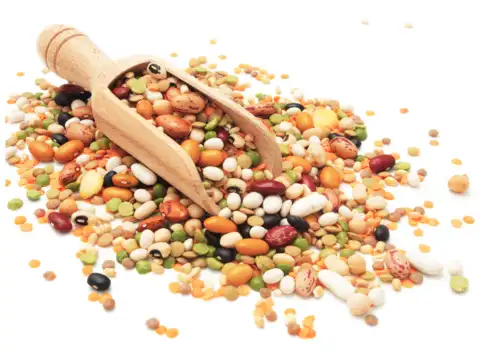
Tea, pulses, and dals: colorants, polishing agents
Tea dust can be dyed; pulses may carry artificial color or stone powder from polishing. Rinse thoroughly, prefer whole dals, and pick BIS/FSSAI‑compliant packs.