
6 hidden ways you’re consuming sodium causing blood pressure spike

1/6
Commercial Bread and Bakery Products
Bread is often the single largest contributor to excess sodium in the modern diet because it is consumed in high volume. A single slice of commercially produced white or whole-wheat bread can contain as much as 150 to 230 milligrams of sodium. Since salt is required for yeast control and dough texture, even "sweet" pastries and muffins are loaded with sodium to balance the fermentation process, leading to a massive daily intake through sandwiches alone.
2/6
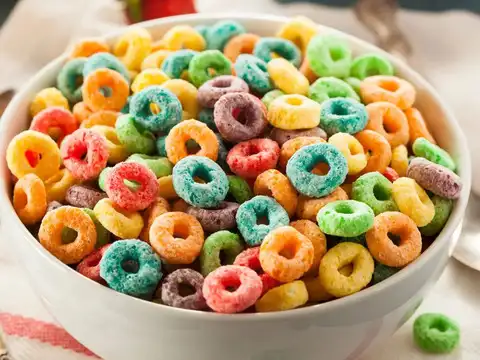
Breakfast Cereals and "Healthy" Granola
Many people are shocked to learn that a bowl of cornflakes or processed granola can contain more sodium than a small bag of potato chips. Manufacturers add significant amounts of salt to breakfast cereals to enhance the sweetness of the sugar and extend shelf life. Because the human tongue perceives the sugar more intensely, the high sodium content goes unnoticed, contributing to early-morning bloating and blood pressure spikes before the day has even truly begun.
3/6
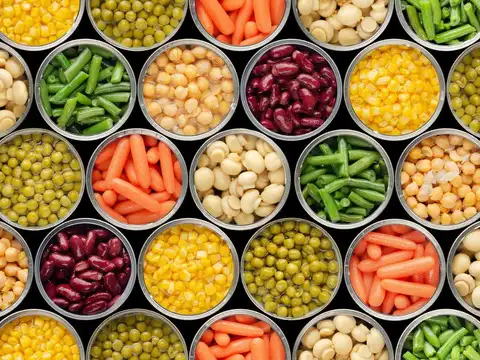
Canned Vegetables and Legumes
Canned beans, peas, and corn are often touted as healthy staples, but they are frequently submerged in a high-sodium brine to maintain their color and texture over months of storage. A single can of vegetables can contain over 400 milligrams of sodium, which is nearly 20% of the daily recommended limit. Even if the vegetables themselves are nutritious, the liquid they sit in is a concentrated salt solution that must be thoroughly rinsed to be safe.
Amazon Top Deals
POWERED BY


4/6
Condiments, Salad Dressings, and Sauces
Bottled salad dressings, soy sauce, and even "low-fat" ketchups are notorious for their extreme sodium density. A single tablespoon of soy sauce can contain nearly 40% of your daily sodium allowance. These liquid additives use salt not just for taste, but as a stabilizing agent to keep the oils and vinegars emulsified. Because we often drizzle these sauces liberally, we unknowingly add hundreds of milligrams of salt to otherwise healthy salads and stir-fries.
5/6
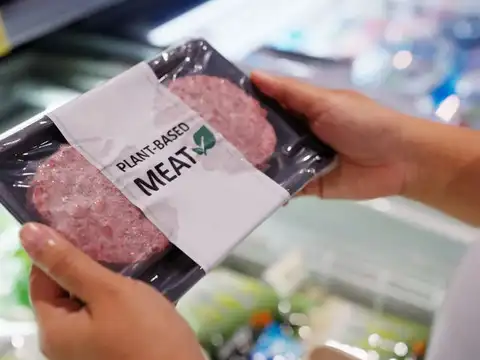
Processed Vegetarian "Meat" Alternatives
As plant-based diets gain popularity in 2026, many consumers are switching to vegetarian "meats" without checking the labels. To mimic the savory "umami" flavor and fibrous texture of real meat, these highly processed alternatives are often injected with massive amounts of sodium and stabilizers. A single plant-based burger patty can contain significantly more salt than its beef counterpart, potentially negating some of the cardiovascular benefits of a vegetarian lifestyle.

6/6
Effervescent Tablets and Over-the-Counter Meds
A hidden source that few consider is the medicine cabinet. Many effervescent (fizzy) tablets for vitamin C, pain relief, or indigestion contain sodium bicarbonate to create the "fizz." For individuals taking these supplements daily, the sodium contribution can be substantial, sometimes equaling the amount found in a meal. This "medicinal" salt enters the bloodstream directly and can be particularly dangerous for those already managing hypertension or heart conditions.
(Disclaimer: This story is for educational purposes alone and should not be considered as professional medical advice and does not substitute any medical advice.)
(Disclaimer: This story is for educational purposes alone and should not be considered as professional medical advice and does not substitute any medical advice.)