
6 healthy superfoods to avoid for proper weight loss
1/6
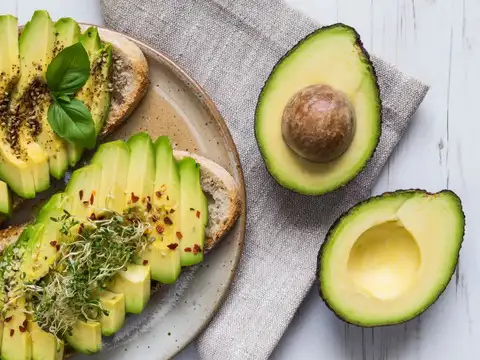
Avocados — The Creamy Calorie Bomb
Avocados are rightfully praised for their monounsaturated fats and potassium, which support heart health and skin elasticity. However, a single medium avocado contains approximately 250 to 320 calories, making it easy to overconsume during a single lunch. While these fats are "good," they are still energy-dense; using an entire avocado on your toast can inadvertently add the caloric equivalent of an extra snack to your daily total.
2/6
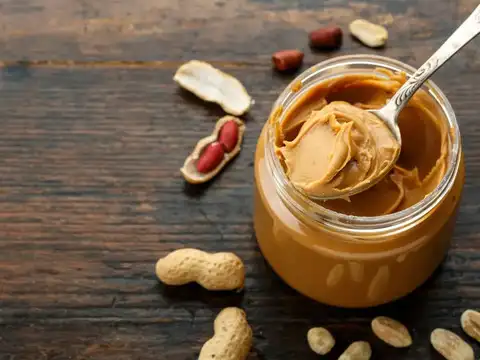
Nut Butters — The Mindless Overeating Hazard
Nut butters, whether almond, peanut, or cashew, offer a convenient source of protein and vitamin E, but their palatability makes them dangerous for weight loss. A standard two-tablespoon serving contains nearly 190 calories, and most people intuitively spread far more than that on their bread or fruit. Because these butters are processed into a smooth paste, they lack the "chewing time" of whole nuts, leading to less satiety and a higher likelihood of accidental overeating.
3/6
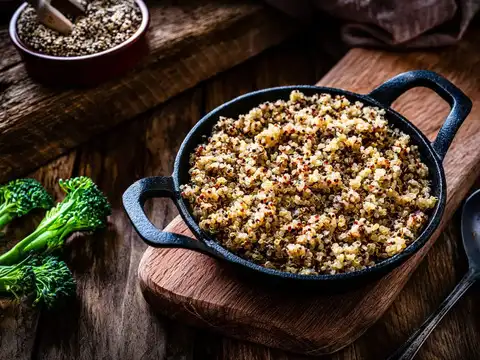
Quinoa — The Heavyweight Ancient Grain
Quinoa is a complete protein and a fantastic gluten-free alternative to rice, but it is often treated as a "free food" in diet circles. One cup of cooked quinoa contains about 222 calories and nearly 40 grams of carbohydrates. While the fiber content is beneficial, consuming large bowls of quinoa can quickly spike your caloric intake. For those aiming for rapid fat loss, replacing large portions of quinoa with high-volume, low-calorie vegetables like riced cauliflower is often more effective.
Amazon Top Deals
POWERED BY

Crompton Ozone 75 Litres Desert Air Cooler for home | Large & Easy Clean Ice Chamber | 4-Way Air Deflection | High Density Honeycomb Pads | Everlast Pump | Auto Fill| 3 Year Brand Warranty
₹9,798Buy Now43%
OFF
LG 32 L Convection Microwave Oven (MC3286BRUM, Black, 360° Motorised Rotisserie for Bar-be-queing, 301 Auto Cook Menu, Stainless steel cavity, Indian Cuisine, Tandoor Se, Steam Clean & Diet Fry)
₹19,340Buy Now19%
OFF
4/6
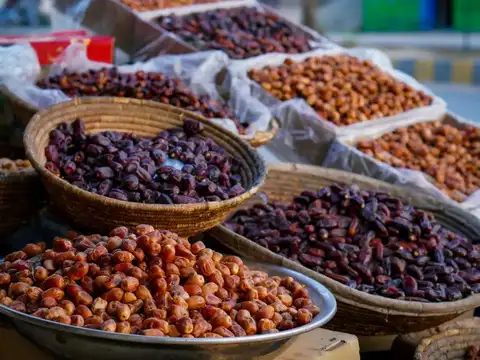
Dried Fruits — Nature’s Concentrated Candy
Dried fruits like dates, raisins, and cranberries are essentially shrunken versions of their fresh counterparts with all the water removed. This process concentrates the natural sugars and calories into a much smaller volume, making it easy to eat ten dried apricots in the time it would take to eat two fresh ones. Without the hydrating bulk of fresh fruit, your stomach's stretch receptors aren't triggered as effectively, leaving you hungry despite the high sugar intake.
5/6
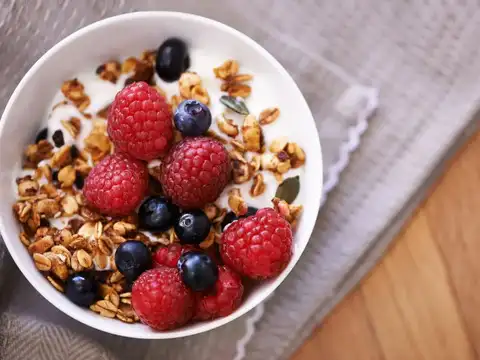
Granola — The Crunchy Sugar Trap
Granola is often marketed as the ultimate fitness breakfast, yet most commercial varieties are clusters of oats held together by oils, honey, or maple syrup. A small half-cup serving can easily exceed 250 calories before you even add milk or yogurt. The combination of high fat and high sugar makes granola hyper-palatable, often leading to "portion distortion" where a single breakfast bowl consumes nearly a third of a person's daily weight loss calorie budget.
6/6
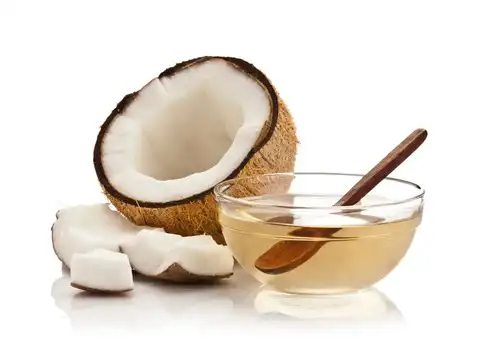
Coconut Oil — The Invisible Saturated Fat
Coconut oil gained "superfood" status due to its Medium Chain Triglycerides (MCTs), but it remains one of the most calorie-dense substances on earth. At 120 calories per tablespoon, adding it to your coffee or using it liberally for roasting vegetables can silently sabotage your weight loss. While it has unique metabolic properties, it is still a pure fat that lacks the fiber or protein necessary to keep you full, making it an easy target for reduction.
(Disclaimer: This story is for educational purposes alone and should not be considered as professional medical advice and does not substitute any medical advice.)
(Disclaimer: This story is for educational purposes alone and should not be considered as professional medical advice and does not substitute any medical advice.)
READ MORE:
Superfoods to Avoid for Weight Loss 2026 |High Calorie Healthy Foods |Why Am I Not Losing Weight on a Healthy Diet |Avocado Calories vs Weight Loss |Quinoa Nutrition for Fat Loss |Dried Fruit Sugar Content |Granola Calorie Trap |Coconut Oil and Weight Gain |Hidden Calories in Nut Butters |Healthy Foods That Stall Weight Loss