
6 green foods to eat to avoid iron deficiency
1/6
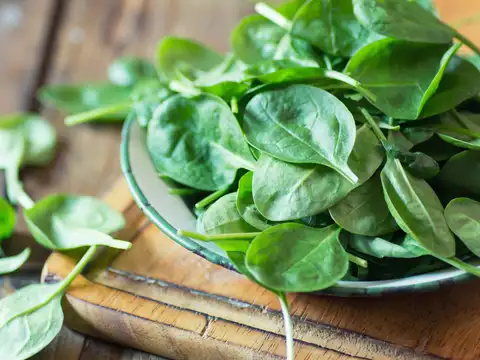
Spinach (Palak) — The Classic Iron Reservoir
Spinach is arguably the most famous green for a reason; it is a dense source of iron that supports the production of healthy red blood cells. To get the most out of Palak, it is best consumed lightly cooked or blanched, as heat helps break down oxalates that can otherwise hinder iron absorption. Adding a squeeze of lemon or serving it alongside a tomato-based curry ensures that the vitamin C content unlocks the iron for your body to use.
2/6
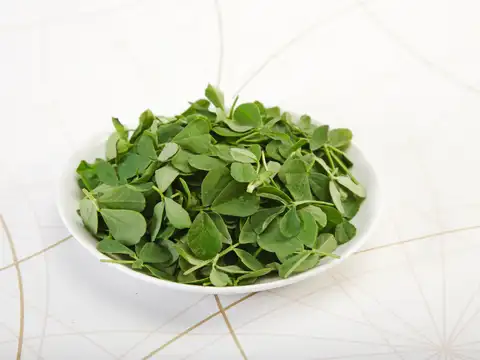
Fenugreek Leaves (Methi) — The Bitter Blood Builder
Methi is a seasonal favorite that provides a significant punch of iron alongside high levels of vitamin K and fiber. These leaves are particularly beneficial for women, as they help replenish iron lost during cycles while also aiding in glucose regulation. Incorporating fresh Methi into your rotis, parathas, or a simple sautéed sabzi is a time-tested way to keep your hemoglobin within the optimal range throughout the year.
3/6
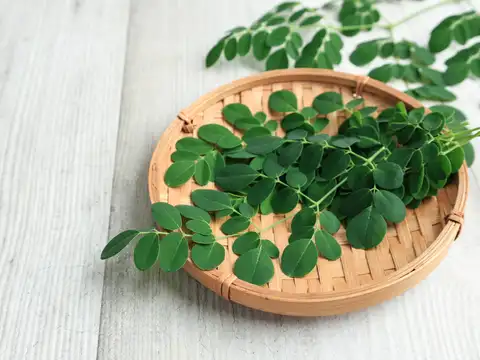
Moringa (Drumstick Leaves) — The Miracle Tree
Moringa leaves are a nutritional powerhouse, containing three times more iron than spinach by weight. They are considered a "miracle" food for treating anemia because they also contain natural vitamin C, which facilitates self-absorption of the iron they provide. Whether you dry the leaves into a powder for your smoothies or use them fresh in a traditional "Sambar," Moringa is one of the most bioavailable plant sources of iron available today.
Amazon Top Deals
POWERED BY

4/6
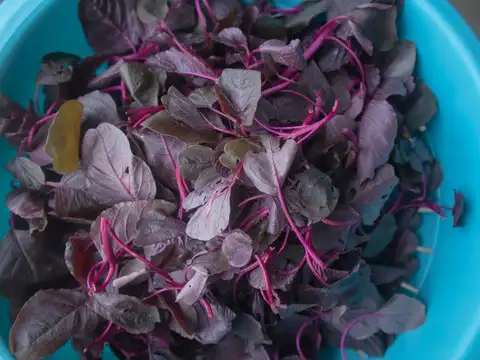
Amaranth Leaves (Chaulai) — The Red and Green Warrior
Amaranth leaves, often found in vibrant red or deep green varieties, are packed with more iron and calcium than almost any other leafy vegetable. They are particularly rich in antioxidants that protect your blood cells from oxidative damage while providing the raw materials needed for hemoglobin synthesis. Their earthy flavor makes them a perfect addition to stir-fries, providing a hearty, iron-dense meal that is also remarkably easy on the digestive syste
5/6
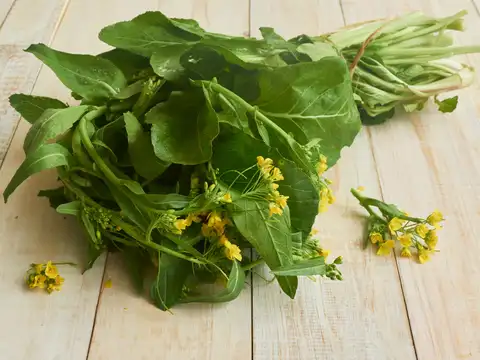
Mustard Greens (Sarson) — The Winter Vitality Secret
Mustard greens are not just a winter delicacy; they are a potent source of iron and vitamins A, C, and K. The slightly spicy profile of Sarson indicates a high concentration of phytonutrients that support liver health and blood purification. When slow-cooked in the traditional "Saag" style, these greens provide a sustained release of minerals that help maintain steady energy levels during the colder months when the body needs extra metabolic support.
6/6
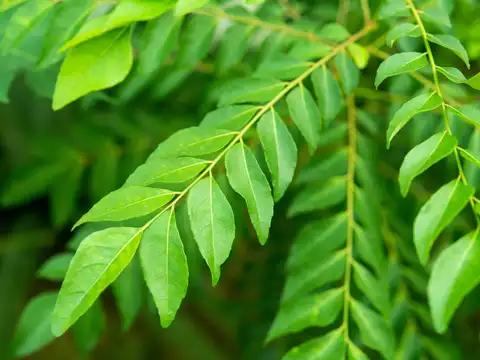
Curry Leaves (Kadi Patta) — The Fragrant Iron Spike
While often used sparingly for tempering, Curry Leaves are actually a concentrated source of iron and folic acid. Folic acid is the essential partner to iron, as it helps the body absorb and utilize the mineral to create new blood cells. To truly benefit, one should consume the leaves rather than discarding them, or blend them into a fresh "chutney" to ensure a daily spike in iron intake that also supports healthy hair and skin.
(Disclaimer: This story is for educational purposes alone and should not be considered as professional medical advice and does not substitute any medical advice.)
(Disclaimer: This story is for educational purposes alone and should not be considered as professional medical advice and does not substitute any medical advice.)
READ MORE:
Best Leafy Greens for Iron 2026 |How to Treat Anemia with Vegetables |Iron Rich Foods India |Moringa Leaves for Hemoglobin |Spinach Iron Absorption Tips |Methi Leaves Nutrition for Anemia |Amaranth vs Spinach Iron |Natural Iron Supplements India |Curry Leaves Benefits for Blood |Healthy Greens for Iron Deficiency