
6 foods that support tendon health
1/6
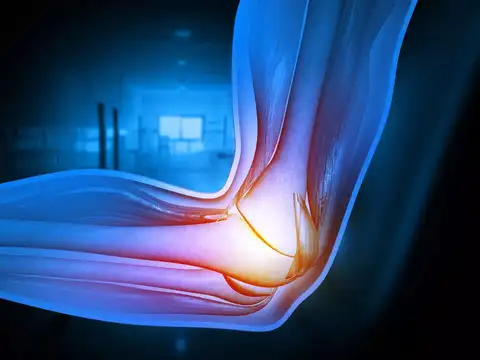
Why tendons need attention
Tendons connect muscle to bone and handle constant tension. They heal slowly because blood supply is poor. Food choices matter: adequate protein, vitamin C, zinc, and collagen-building nutrients directly support tendon repair and durability. Neglect them, and you're setting up chronic aches.

2/6
Eggs for complete protein and amino acids
Eggs deliver leucine and proline, two amino acids essential for tendon formation. Leucine directly stimulates tendon cell repair; proline anchors collagen. Eat whole eggs three to four times weekly. Boil, scramble, or poach to preserve nutrients.

3/6
Citrus and kiwi for vitamin C
Vitamin C acts as a cofactor for collagen synthesis, essentially gluing tendon structure together. An orange, two kiwis, or a bell pepper daily supplies the forty to ninety milligrams needed. Heat destroys vitamin C, so eat raw whenever possible.
Amazon Top Deals
POWERED BY

4/6
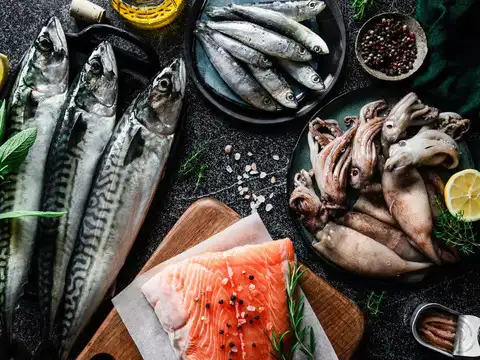
Salmon and sardines for omega-three fatty acids
Oily fish contain omega-three fats that reduce tendon inflammation at the cellular level. They also deliver vitamin D, which helps your body absorb minerals needed for tissue strength. Aim for two salmon meals per week; tinned sardines work too.
5/6
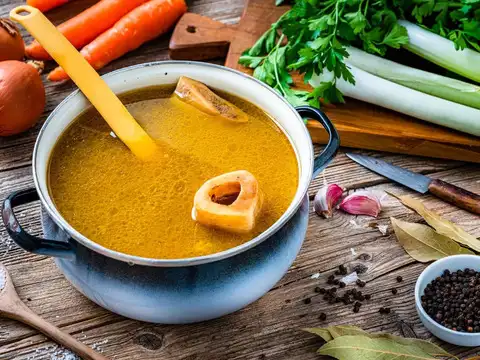
Bone broth for natural collagen
Slow-simmered bone broth contains ready-made collagen and gelatin, plus glycine and proline. Your body absorbs these building blocks more readily than whole collagen foods. Simmer bones for eight to twelve hours; drink a cup three times weekly or use in soups.
6/6
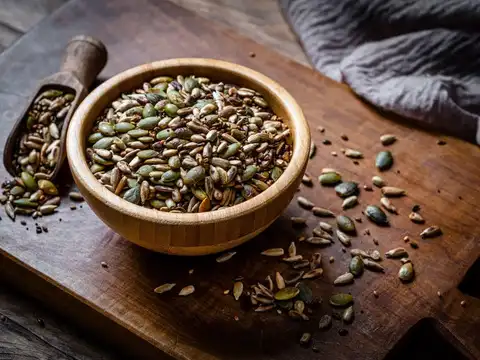
Pumpkin seeds and cashews for zinc
Zinc fuels tissue regeneration and collagen formation. A handful of pumpkin seeds or cashews daily covers your daily zinc quota. Toss into salads, yogurt, or eat as a snack to sidestep absorption dips that cooking sometimes causes.
(Disclaimer: This story is for educational purposes alone and should not be considered as professional medical advice and does not substitute any medical advice.)
(Disclaimer: This story is for educational purposes alone and should not be considered as professional medical advice and does not substitute any medical advice.)