
6 foods that naturally boost your haemoglobin levels
1/7
Oxygen Carrier of Life
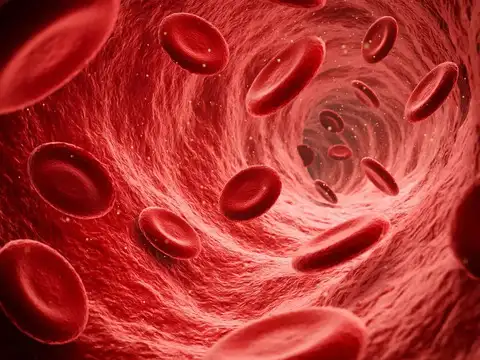
Haemoglobin is the iron-rich protein in your red blood cells responsible for transporting oxygen from your lungs to the rest of your body. Low levels can lead to fatigue, dizziness, and a weakened immune system. While many rely on supplements, the most sustainable way to maintain these levels in 2026 is through a diet rich in iron, folate, and Vitamin B12. By integrating traditional Indian ingredients, you can naturally stimulate red blood cell production and boost your overall energy levels.
2/7
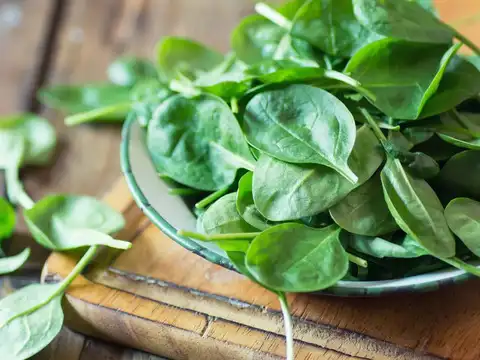
Spinach (Palak) — The Iron Powerhouse
Spinach is a legendary source of non-heme iron and folate, both of which are critical for synthesizing haemoglobin. To maximize its benefits, Indian tradition often pairs palak with a squeeze of lemon or tomatoes; the Vitamin C acts as a "key" that unlocks the iron for better absorption. Whether consumed as a simple stir-fry or a hearty dal, this leafy green provides the foundational building blocks for a healthy circulatory system.
3/7
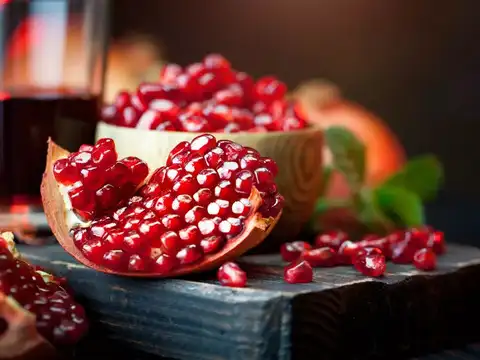
Pomegranate (Anar) — The Natural Blood Enhancer
Pomegranate is one of the most recommended fruits in India for those struggling with low iron. It is uniquely packed with both iron and Vitamin C, along with powerful antioxidants that stimulate red blood cell count and improve blood flow. Regularly consuming fresh pomegranate seeds or raw juice helps neutralize the symptoms of anaemia, such as cold hands and feet, by ensuring oxygen reaches every extremity efficiently.
Amazon Top Deals
POWERED BY


4/7
Jaggery (Gur) — The Ancient Iron Sweetener
Jaggery is a traditional unrefined sugar that has been used in Indian households for centuries as a natural iron supplement. Unlike white sugar, jaggery is rich in iron and folate, making it an excellent post-meal treat to support blood health. When paired with peanuts or roasted chana, it creates a high-energy, iron-dense snack that was a staple for generations and remains one of the most effective ways to boost haemoglobin naturally.
5/7
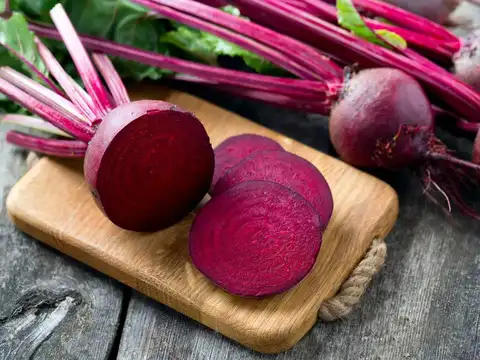
Beetroot (Chukandar) — The Red Cell Stimulator
Beetroot is highly valued for its ability to "reactivate" red blood cells and supply fresh oxygen to the body. It is rich in iron, potassium, and folic acid, which together promote the regeneration of blood cells. Including grated beetroot in salads or drinking a small glass of its juice daily can lead to a noticeable increase in haemoglobin levels in a relatively short period, while also supporting liver health.
6/7
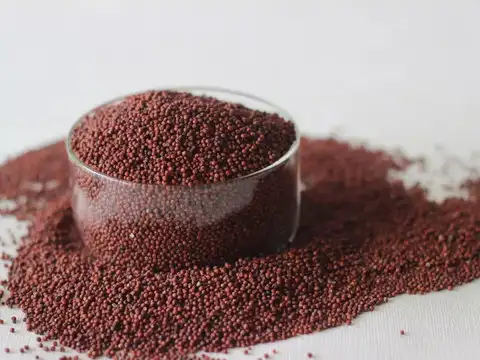
Finger Millet (Ragi) — The Iron-Dense Grain
Ragi is one of the most iron-dense cereals available in the Indian subcontinent, outperforming rice and wheat significantly. This ancient millet is a staple in many Indian states because it provides sustained energy along with a massive dose of calcium and iron. Incorporating ragi into your diet through rotis, dosas, or porridges is an excellent long-term strategy for preventing nutritional deficiencies and maintaining robust haemoglobin levels.
7/7
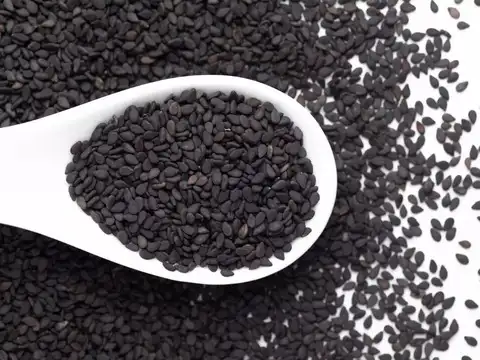
Black Sesame Seeds (Til) — The Tiny Mineral Bomb
Black sesame seeds are a concentrated source of iron, copper, and folic acid—the trifecta for healthy blood. These tiny seeds are often overlooked but are incredibly effective at improving blood circulation and haemoglobin synthesis. A traditional Indian "Til Ladoo" or simply sprinkling these seeds over your meals can provide a significant boost to your iron intake without requiring a major change in your eating habits.
(Disclaimer: This story is for educational purposes alone and should not be considered as professional medical advice and does not substitute any medical advice.)
(Disclaimer: This story is for educational purposes alone and should not be considered as professional medical advice and does not substitute any medical advice.)
READ MORE:
Indian Foods to Increase Haemoglobin 2026 |Iron Rich Vegetarian Diet India |Pomegranate Benefits for Anaemia |Ragi Health Benefits for Blood |Beetroot Juice for Haemoglobin |Jaggery vs Sugar Iron Content |Best Fruits for Low Haemoglobin |Black Sesame Seeds for Iron Deficiency |Traditional Indian Remedies for Anaemia |How to Boost Red Blood Cells Naturally