
6 foods that help control sugar spikes naturally

1/7
Natural Glucose Management
Blood sugar spikes occur when refined carbohydrates are rapidly converted into glucose, forcing the pancreas to overwork. By integrating specific local foods rich in soluble fiber and bioactive compounds, you can slow down this absorption process. These seven Indian staples are not just traditional favorites; they are scientifically backed tools to help you maintain metabolic health and avoid the "energy crashes" that follow high-sugar meals.
2/7
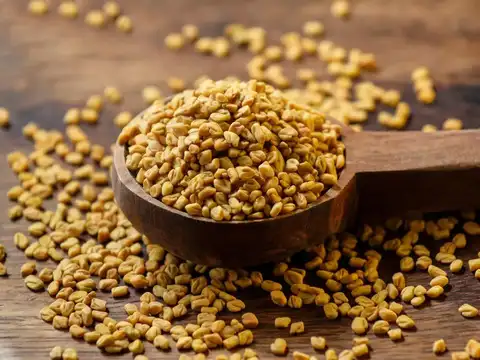
Fenugreek (Methi) — The Glucose Gatekeeper
Fenugreek seeds are a powerhouse of soluble fiber, particularly galactomannan, which slows the rate of digestion and carbohydrate absorption. These tiny seeds also contain amino acids that stimulate the production of insulin when your blood sugar is high. Soaking methi seeds overnight and consuming the water or adding fresh leaves to your rotis can significantly improve your glycemic control.
3/7
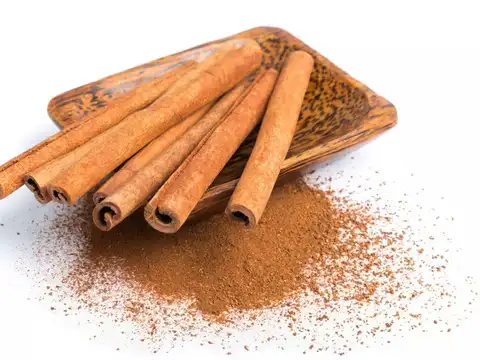
Cinnamon (Dalchini) — The Insulin Mimicker
Cinnamon is more than just an aromatic spice; it contains compounds that can mimic insulin and increase glucose transport into your cells. By improving insulin sensitivity, dalchini helps your body process sugar more efficiently without requiring massive insulin spikes. Adding a pinch of high-quality Ceylon cinnamon to your morning tea or oats provides a steady, natural regulatory effect.
Amazon Top Deals
POWERED BY

Crompton Ozone 75 Litres Desert Air Cooler for home | Large & Easy Clean Ice Chamber | 4-Way Air Deflection | High Density Honeycomb Pads | Everlast Pump | Auto Fill| 3 Year Brand Warranty
₹9,798Buy Now43%
OFF

atomberg Studio Smart+ 1200mm BLDC Ceiling Fan with IoT & Remote | BEE 5 star Rated Energy Efficient Ceiling Fan | High Air Delivery with LED Indicators | 3 Year Warranty (Earth Brown)
₹5,882Buy Now36%
OFF

LG 32 L Convection Microwave Oven (MC3286BRUM, Black, 360° Motorised Rotisserie for Bar-be-queing, 301 Auto Cook Menu, Stainless steel cavity, Indian Cuisine, Tandoor Se, Steam Clean & Diet Fry)
₹19,340Buy Now19%
OFF
4/7
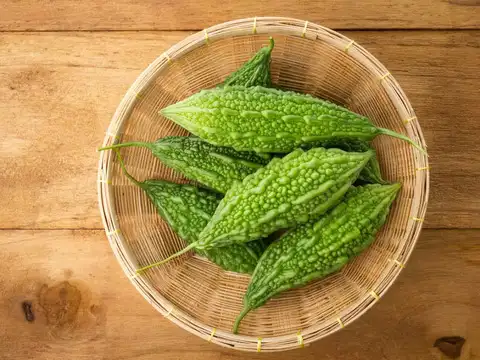
Bitter Gourd (Karela) — The Natural Insulin Plant
While its taste is polarizing, the medicinal value of Bitter Gourd is indisputable due to compounds like polypeptide-p, which acts like plant-based insulin. Karela contains charantin, which helps increase glucose uptake and glycogen synthesis in the liver and muscles. Consuming it as a juice or a lightly sautéed vegetable helps lower blood glucose levels effectively by regulating how sugar is utilized.
5/7
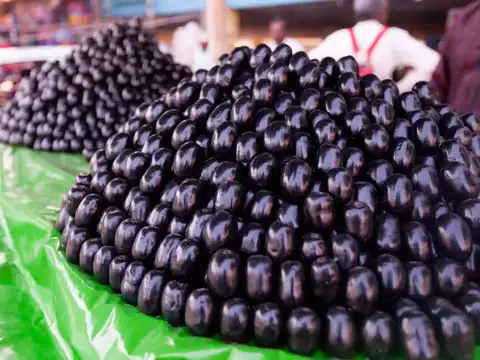
Jamun (Indian Blackberry) — The Seasonal Shield
Jamun is a unique seasonal fruit where even the seeds are highly therapeutic for sugar management. The active ingredient, jamboline, prevents the conversion of starch into sugar, ensuring that your glucose levels remain stable after meals. Drying and powdering jamun seeds is a traditional remedy that remains highly relevant today for anyone looking to manage their post-meal sugar spikes naturally.
6/7
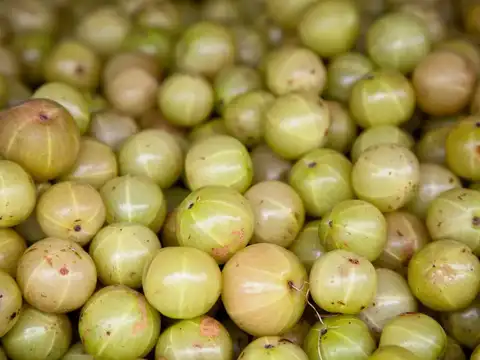
Indian Gooseberry (Amla) — The Oxidative Buffer
Amla is famous for Vitamin C, but it is also a rich source of chromium, a mineral that aids in carbohydrate metabolism. Chromium makes your body more responsive to insulin, which is the key to preventing sudden spikes and dips in blood sugar. Regular consumption of fresh amla or its juice helps protect the pancreas and supports long-term stability in your metabolic profile.

7/7
Curd (Dahi) — The Probiotic Stabilizer
A bowl of fresh, homemade curd is an excellent addition to any high-carb meal to lower its overall glycemic index. The combination of protein, healthy fats, and probiotics helps slow down gastric emptying, meaning sugar enters your bloodstream much more gradually. Including dahi in your lunch prevents the typical afternoon slump by ensuring a slow and steady release of energy.
(Disclaimer: This story is for educational purposes alone and should not be considered as professional medical advice and does not substitute any medical advice.)
(Disclaimer: This story is for educational purposes alone and should not be considered as professional medical advice and does not substitute any medical advice.)
READ MORE:
Natural Ways to Control Sugar Spikes 2026 |Best Indian Foods for Diabetes Management |Methi Seeds for Blood Sugar |How Karela Lowers Glucose |Jamun Seed Powder Benefits |Cinnamon for Insulin Sensitivity |Amla for Sugar Control |Best Probiotic Foods for Metabolism India |Lowering Glycemic Index of Indian Meals |Metabolic Health Tips 2026