
6 easy ways to protect car and bike tyres from blowouts in summer
1/7
Summer Tyre Safety
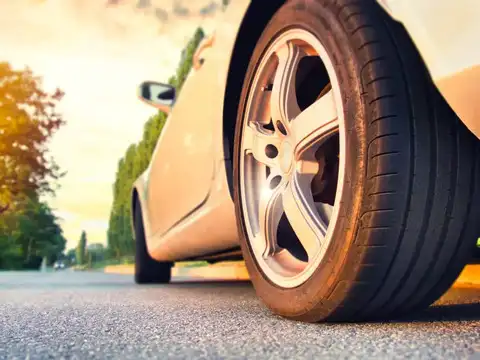
The Indian summer isn't just hard on you; it is brutal on your tyres. When the sun beats down on the highway, the friction from driving combined with high atmospheric temperatures can cause the air inside your tyres to expand dangerously. Taking a few proactive steps can prevent "tyre fatigue," save you from expensive replacements, and most importantly, keep you safe from high-speed blowouts during your summer commutes.
2/7
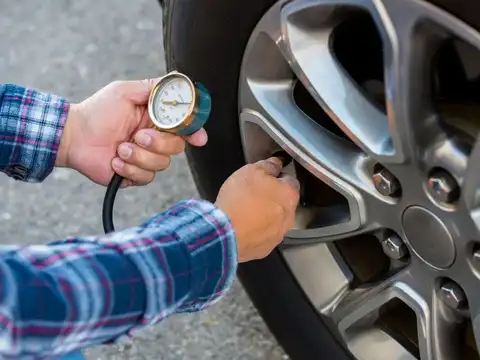
Maintain the Right Cold Tyre Pressure
The most important rule for summer is to check your tyre pressure when the rubber is "cold"—ideally early in the morning before you’ve driven more than a kilometer. Heat naturally expands air, so if you check after a long drive, the reading will be falsely high. Always stick to the manufacturer’s recommended PSI (usually found on a sticker on the driver’s door pillar or the bike’s swingarm) to ensure the tyre shape remains perfect for the road.
3/7
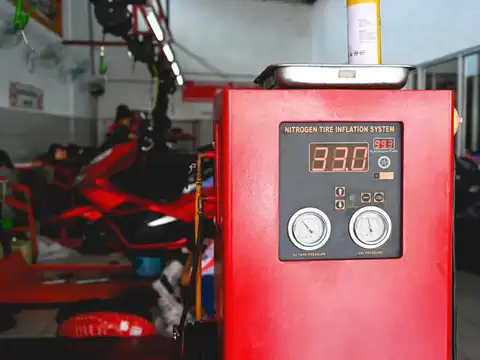
Switch to Nitrogen for Better Stability
Nitrogen is becoming a favorite for Indian car and bike owners because it is a "dry" gas that doesn't expand as much as regular compressed air when temperatures rise. It keeps the tyre running significantly cooler on long highway stretches, like the Yamuna Expressway or the Mumbai-Pune Highway. Additionally, nitrogen molecules are larger and leak out slower, meaning your tyre pressure stays stable for a much longer time.
Amazon Top Deals
POWERED BY

atomberg Studio Smart+ 1200mm BLDC Ceiling Fan with IoT & Remote | BEE 5 star Rated Energy Efficient Ceiling Fan | High Air Delivery with LED Indicators | 3 Year Warranty (Earth Brown)
₹5,882Buy Now36%
OFF

LG 32 L Convection Microwave Oven (MC3286BRUM, Black, 360° Motorised Rotisserie for Bar-be-queing, 301 Auto Cook Menu, Stainless steel cavity, Indian Cuisine, Tandoor Se, Steam Clean & Diet Fry)
₹19,340Buy Now19%
OFF

4/7
Avoid Overloading Your Vehicle
High heat makes the rubber of your tyres more flexible and "stretchy." When you overload your car with extra passengers or heavy luggage, the sidewalls of the tyres flex excessively, generating even more internal heat. This extra stress on a hot day is the leading cause of "sidewall failure." In peak summer, try to keep your vehicle load light to give your tyres a breathing chance against the scorching pavement.
5/7
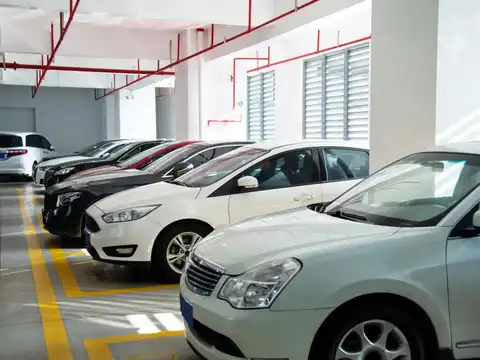
Park in the Shade Whenever Possible
In India, we often focus only on the heat of the road, but direct sunlight is equally damaging. UV rays from the sun cause "dry rot," where the oils in the tyre rubber evaporate, leading to small cracks on the surface. Whenever you can, park in a basement, under a tree, or in a covered porch. If you must park in the sun for long periods, using tyre covers or even a simple piece of cardboard can block the direct rays and keep the rubber supple.

6/7
Practice the 2-Hour Rest Rule
On long summer road trips, your tyres never get a chance to cool down because the friction from the road keeps adding to the atmospheric heat. A simple habit is to take a 15-minute break every two hours of continuous driving. Park the vehicle in a shaded spot to let the tyre temperature drop naturally. This simple rest stop prevents the heat from reaching the "critical point" where the rubber structure begins to weaken.
7/7
Check the Tread and Valve Caps
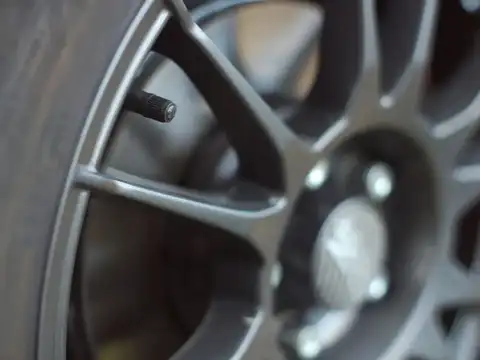
Worn-out tyres with low "tread depth" have less rubber to dissipate heat, making them heat up much faster than new ones. Before summer peaks, use a one-rupee coin to check if your treads are deep enough. Also, ensure your valve caps are tightly screwed on; heat can cause old rubber seals in the valves to leak slightly. A missing cap allows dust and heat to damage the valve core, leading to a slow but dangerous loss of pressure.
(Disclaimer: This story is for educational purposes alone.)
(Disclaimer: This story is for educational purposes alone.)
READ MORE:
Summer Tyre Care Tips India |Car Tyre Safety Heat 2026 |Nitrogen vs Air for Tyres Summer |Preventing Tyre Bursts in Heat |Best Tyre Pressure for Indian Summer |Bike Tyre Maintenance Tips |How to Prevent Tyre Dry Rot |Highway Driving Safety Summer India |Tyre Pressure Check Cold vs Hot |Vehicle Maintenance Tips for Heatwave