
6 dermatology recommended tips to get rid of sticky, oily dandruff
1/7
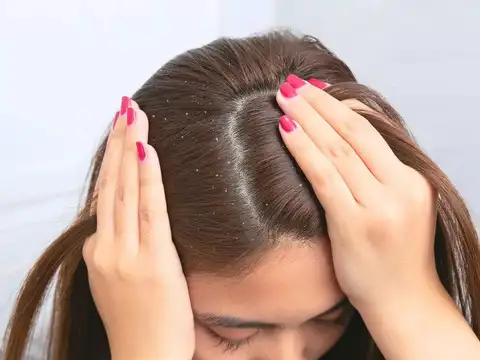
Why oily dandruff sticks
Oily dandruff happens when yeast thrives in scalp sebum, causing inflammation and sticky, yellowish scales that cling to roots. This story comes as a fast guide to get rid of that sticky, oily dandruff from your scalp

2/7
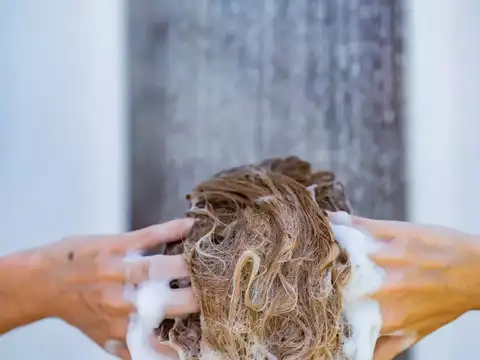
Tip 1: antifungal shampoo 3x/week
Use an antifungal as your anchor: ketoconazole 1–2% or zinc pyrithione 1% shampoo, massaged into the scalp for 3–5 minutes before rinsing; repeat 3 times weekly for 2–4 weeks, then taper to 1–2 times weekly for maintenance.
3/7
Tip 2: alternate with selenium sulfide or ciclopirox
If relapse or slow response, rotate actives: on non‑ketoconazole days, use selenium sulfide 1% or ciclopirox olamine; rotation lowers resistance risk and keeps Malassezia in check without over‑drying lengths.
Amazon Top Deals
POWERED BY

4/7
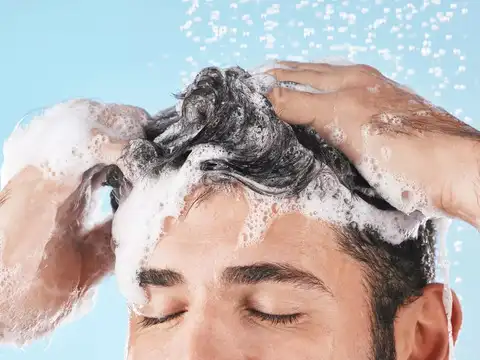
Tip 3: add salicylic acid once weekly
Introduce a keratolytic shampoo (salicylic acid 2% or similar) once weekly to loosen sticky scales; lather on scalp for 2–3 minutes, then rinse and follow with your antifungal if build‑up is heavy that day.
5/7
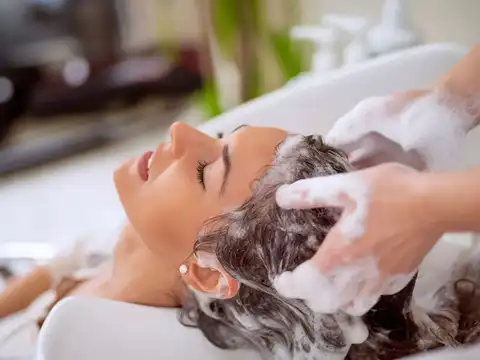
Tip 4: correct wash technique
Focus shampoo on scalp, not hair lengths; use lukewarm water; second cleanse on very oily days; condition mid‑lengths to ends only; avoid heavy oils/butters on scalp which can worsen Malassezia growth

6/7
Tip 5: calm flares, then maintain
During flares, stay consistent for 3–4 weeks; once controlled, maintain with your best‑tolerated antifungal 1–2 times weekly; resume flare protocol promptly at first signs of itch or clumping flakes.

7/7
Tip 6: when to see a dermatologist
Seek care if there is persistent redness, burning, thick plaques, bleeding, or spread to brows/ears/beard—may need short topical anti‑inflammatory courses or prescription antifungals.
(Disclaimer: Not professional medical advice. For general educational purposes only.)
(Disclaimer: Not professional medical advice. For general educational purposes only.)
READ MORE:
dermatology recommended tips |dermatology recommended tips for dandruff |dermatology recommended tips scalp health |dermatology recommended tips hair care |dermatology recommended tips for oily dandruff |get rid of dandruff |dandruff flakes |how to get rid of dandruff at home |dermatology recommended scalp routiine