
6 common errors that could be preventing your hair regrowth

1/7
Are You Sabotaging Your Hair Regrowth?
Trying to regrow hair but not seeing results? The issue may be in your daily routine. Certain common mistakes—like harsh styling, over-washing, or skipping care—can quietly sabotage your hair regrowth efforts.

2/7
Avoid Harsh Styling
Frequent use of heat tools, tight hairstyles, and chemical treatments can damage hair follicles and slow regrowth. Studies in Dermatologic Therapy suggest excessive styling contributes to breakage and long-term hair thinning. Gentle styling helps your hair recover naturally.
3/7
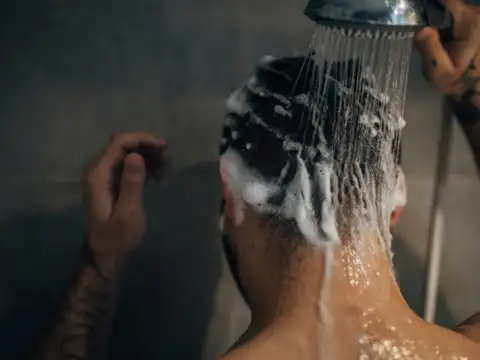
Don’t Over-Wash
Washing hair too often strips natural oils that protect and nourish hair. Dermatologists recommend 2–3 times per week for most hair types. Maintaining natural scalp oils supports stronger, healthier regrowth.
Amazon Top Deals
POWERED BY


4/7
Don’t Skip Nutritional Support
Hair needs protein, iron, zinc, and vitamins like B12 and biotin. Poor nutrition can weaken follicles and slow regrowth. Research in The Journal of Clinical and Aesthetic Dermatology shows deficiencies can directly affect hair density and growth rate.
5/7
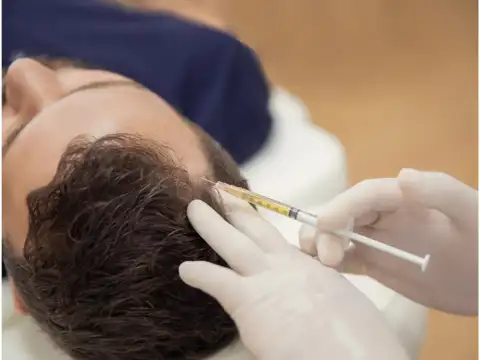
Avoid Skipping Treatments
Whether it’s minoxidil, PRP therapy, or prescribed supplements, inconsistent use reduces effectiveness. Hair regrowth treatments often take weeks to months; patience and consistency are key for results.
6/7
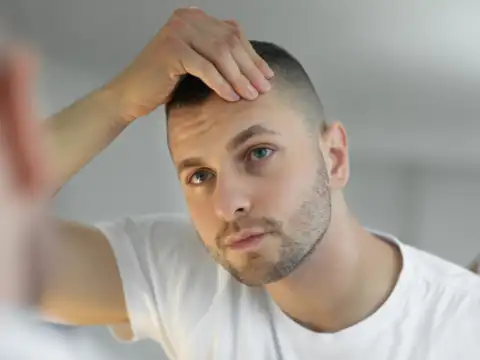
Protect Your Scalp
Sun exposure, pollution, and harsh shampoos can irritate the scalp and damage follicles. Gentle cleansing and scalp protection support regrowth. Studies in International Journal of Trichology highlight that a healthy scalp environment is critical for hair recovery.

7/7
Manage Stress
Chronic stress can trigger hair loss through hormonal changes and follicle disruption. Mindfulness, exercise, and sleep improve overall health and promote better hair regrowth. Research in Dermatology Reports links stress management to improved hair density over time.(Disclaimer: This information is for educational purposes only and should not replace professional medical advice. Consult a qualified healthcare provider for personalized guidance on hair loss and regrowth.)