
6 causes of reduced muscle responsiveness

1/7
Why muscles lose their zip
Your muscles talk to your nerves through tiny junctions; as you age, these communication lines fray. Muscle fibers shrink. Power-producing structures inside cells malfunction. Chronic low-grade inflammation simmers. Hormones dip. Movement dwindles. The result feels like everything takes longer to kick in.
2/7
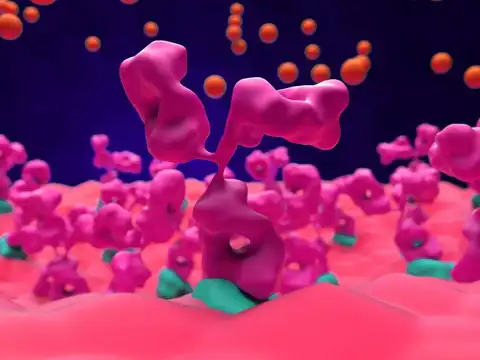
Neuromuscular junction deterioration
The connection between nerve and muscle weakens and becomes unstable over time. Messages travel slower, transmission fails at the junction, and muscle fibers lose their electrical signals. This is the "wiring" problem. Fewer signals fired means sluggish response.
3/7
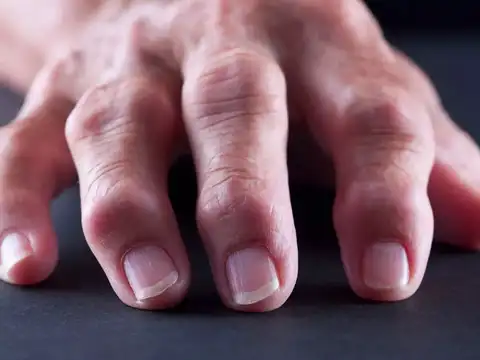
Loss of fast-twitch muscle fibers
Your muscles contain two main fiber types. Fast-twitch fibers (quick power moves) shrink most with age, especially when inactive. They're replaced functionally by slow-twitch fibers. The result: slower contractions overall. Your body shifts toward endurance, away from speed.
Amazon Top Deals
POWERED BY

4/7
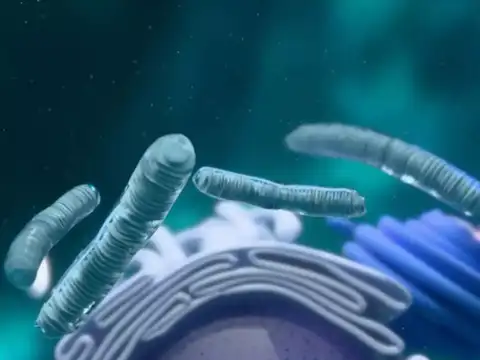
Mitochondrial dysfunction and energy depletion
Mitochondria are your muscle's power plants. With aging, they produce less adenosine triphosphate (ATP), your cellular fuel. Muscles literally run out of energy faster. This blunts contraction force and prolongs recovery time between efforts.
5/7
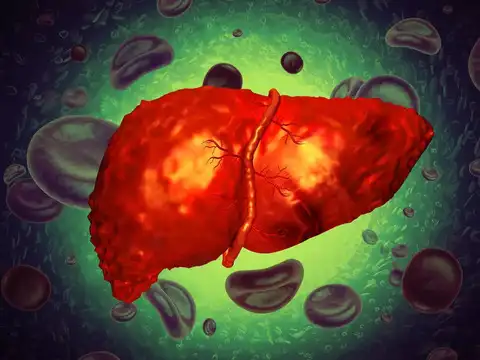
Chronic inflammation and oxidative stress
Low-grade inflammation ("inflamm-aging") smolders throughout aging muscle. Reactive oxygen species damage proteins and disrupt repair pathways. Muscle fibers degrade faster than they rebuild. Inflammation also interferes with nerve signaling directly, slowing electrical transmission.

6/7
Hormonal decline
Testosterone, growth hormone, and insulin-like growth factor (IGF1) all drop with age. These hormones cue muscle protein synthesis (building). Without them, muscles lose raw material for repair and growth. Anabolic resistance develops; muscles ignore "build now" signals from exercise and food.

7/7
Sedentary behavior and deconditioning
The simplest culprit: sitting more means muscles adapt to low demands. They shrink (atrophy), lose recruitment capacity, and become metabolically sluggish. Even modest inactivity triggers cascade: less mass, less strength, less neural drive, less responsiveness overall.
(Disclaimer: This story is for educational purposes alone and should not be considered as professional medical advice and does not substitute any medical advice.)
(Disclaimer: This story is for educational purposes alone and should not be considered as professional medical advice and does not substitute any medical advice.)