
6 body signals that appear before a heart attack

1/6
The Silent Warning System
Your heart communicates through subtle shifts in how you feel. Unusual exhaustion, chest tightness, or shortness of breath aren't always obvious signs something serious is brewing. Studies show four in ten people experience prodromal symptoms—that's medical speak for the body's way of saying "pay attention"—days or weeks before the actual cardiac event happens.

2/6
Extreme Fatigue That Won't Quit
Bone-deep tiredness despite solid sleep is a major red flag. You might wake rested yet feel drained by noon. Women especially report this. Your heart's struggling to pump blood efficiently, draining your energy reserves. If exhaustion interferes with daily life for days on end, don't chalk it up to stress or age. Get checked.

3/6
Disrupted Sleep and Restlessness
You toss and turn despite being genuinely sleepy, or wake gasping for air. Sleep disturbance ranks among the top prodromal signals, particularly in women. Your heart struggles during recumbency (lying down), triggering anxiety or breathlessness. Persistent insomnia or waking with palpitations warrants urgent medical evaluation, not melatonin.
Amazon Top Deals
POWERED BY
4/6
Chest Discomfort Beyond Pain
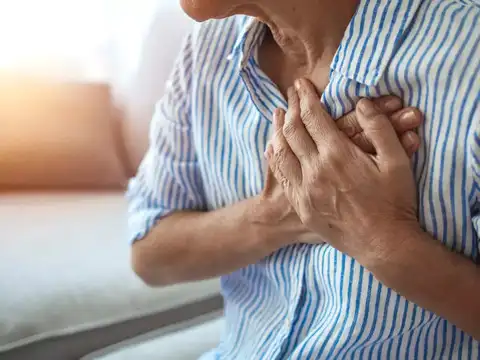
Not always classic chest pain—sometimes it's pressure, heaviness, or that peculiar "something's off" sensation in your sternum. It may come and go or intensify with exertion. This accounts for roughly 68 percent of prodromal symptoms. Pain radiating to arms, jaw, or shoulder blades compounds concern. Act fast; call your doctor immediately.

5/6
Shortness of Breath Unprovoked
Gasping during minimal activity or while resting signals compromised cardiac output. Your heart can't deliver oxygen-rich blood efficiently, forcing lungs to compensate. This happens with or without chest symptoms. Women frequently experience dyspnea—that's breathlessness—as their primary warning. Don't normalize wheezing; seek cardiology evaluation urgently.

6/6
Cold Sweats and Unexplained Nausea
Drenching perspiration when it's cool, or nausea without stomach upset, signals stress hormones flooding your system. Your body's "fight or flight" activates because cardiac stress triggers sympathetic nervous system overdrive. Women especially report stomach queasiness instead of chest pain. These feel innocuous but deserve immediate medical scrutiny and diagnostic tests.
(Disclaimer: This is purely for educational purposes only. Not professional medical advice and does not substitute for any professional medical advice.)
(Disclaimer: This is purely for educational purposes only. Not professional medical advice and does not substitute for any professional medical advice.)