
6 best indoor plant fertilizers you can make using kitchen waste
1/6
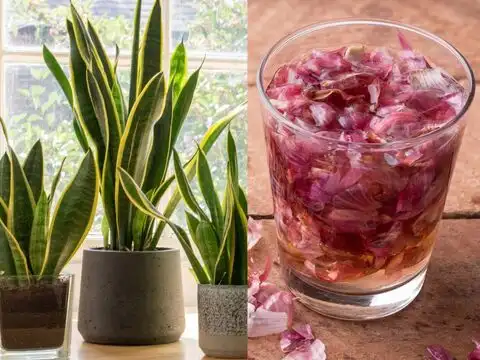
Onion and Garlic Peels Soaked In Water
Do not toss those dry papery skins. Soak a handful of onion or garlic peels in one litre of water overnight, strain it, and water your plants with it once a week.A 2023 study from South Eastern University of Sri Lanka found that onion and garlic peel fertilizer is rich in potassium, calcium, and phosphorus and boosts plant growth and disease resistance naturally.

2/6
Water Left Over From Boiling Vegetables
The water you drain after boiling potatoes, carrots, or beans is full of nutrients that have leached out during cooking. Let it cool completely, make sure it has no salt in it, and use it to water your pots.Research published in the NIH on edible plant cooking confirms that boiling releases soluble nutrients including minerals into the cooking water, making it genuinely useful rather than waste.
3/6
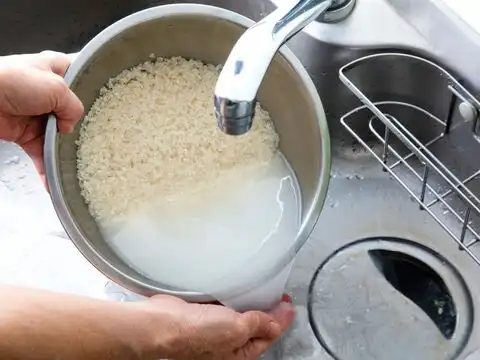
Rice Washing Water
The cloudy water you rinse rice in before cooking is loaded with starch, vitamins, and trace minerals. Do not pour it down the drain. Use it directly to water your indoor plants once or twice a week.A study published in the South Asian Research Journal of Agriculture and Fisheries (2025) found that rice washing water provides macro and micronutrients that support healthy plant growth.
Amazon Top Deals
POWERED BY

4/6
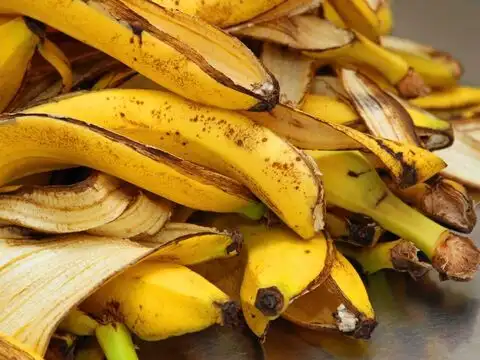
Banana Peel Liquid
Chop one or two banana peels, soak them in water for 48 hours, strain and dilute with plain water in a 1:3 ratio before using. Banana peels are very high in potassium, which helps plants flower and fruit well.A peer reviewed study in Agriculture journal (MDPI, 2024) confirmed that banana peel based fertilizers are a genuinely valuable source of potassium for plant growth and soil enrichment.

5/6
Used Tea Leaves Or Leftover Black Tea
Loose tea leaves left after brewing or leftover unsweetened black tea both work well as a mild fertilizer. Sprinkle used tea leaves around the base of the plant or pour cooled plain tea water into the pot.A 2025 paper in the International Journal of Science and Research Applications lists tea leaves among the most nutrient-rich kitchen wastes, noting their nitrogen content helps support healthy leaf and stem growth.
6/6
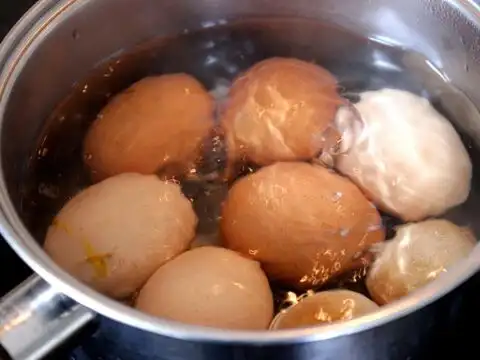
Water From Boiling Eggs
Most people pour this straight down the sink. When you boil eggs, calcium from the shells leaches into the water. Let it cool fully, skip the salt, and use it on your indoor plants.A 2025 study in Applied Sciences (MDPI) on converting kitchen waste into sustainable fertilizers confirmed that calcium-rich liquid waste from egg boiling acts as a meaningful soil improver for potted plants.