
6 best foods to pair with high protein foods for maximum absorption
1/6
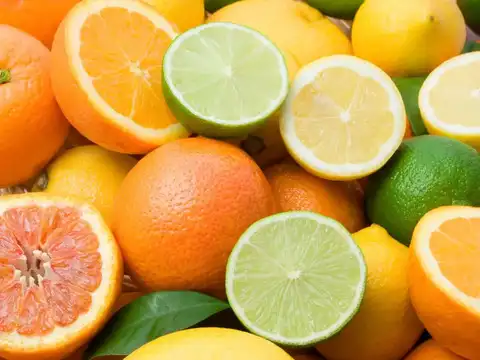
Citrus Fruits for Iron Absorption
When you consume plant-based proteins like lentils or beans, the iron they contain is often difficult for the body to absorb. Pairing these with Vitamin C-rich citrus fruits like lemons or oranges acts as a chemical catalyst that converts non-heme iron into a more bioavailable form. This simple pairing ensures that your high-protein meal also serves as a blood-building powerhouse, preventing the fatigue often associated with high-protein, low-nutrient diets.
2/6
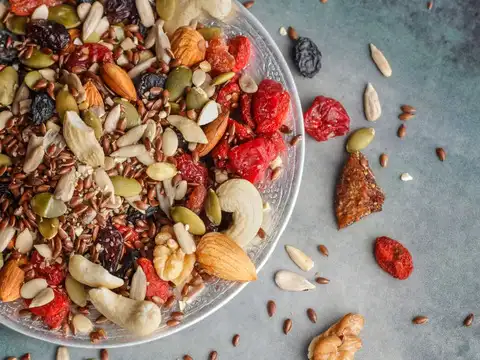
Healthy Fats for Fat-Soluble Vitamins
Many high-protein sources, particularly lean meats or egg whites, lack the healthy fats necessary to absorb vitamins A, D, E, and K. Pairing your protein with avocados, nuts, or extra virgin olive oil creates a lipid bridge that allows these vitamins to enter your bloodstream. This combination not only supports hormone production but also ensures that your high-protein diet contributes to long-term bone health and skin elasticity.
3/6
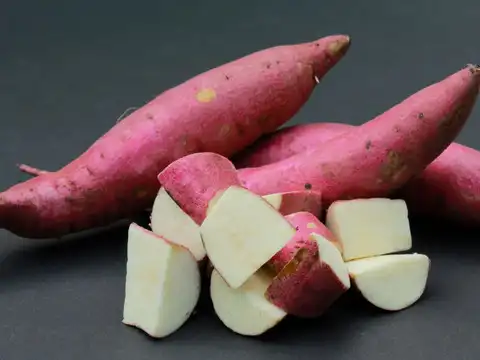
Complex Carbohydrates for Muscle Recovery
To truly build and repair muscle, your body requires an insulin response that only carbohydrates can provide. Pairing high-quality protein with complex carbs like sweet potatoes or brown rice triggers the release of insulin, which acts as a transport vehicle to shuttle amino acids directly into your muscle cells. This synergy is crucial for post-workout recovery, ensuring your body doesn't burn protein for energy but uses it for structural repair instead.
Amazon Top Deals
POWERED BY

Crompton Ozone 75 Litres Desert Air Cooler for home | Large & Easy Clean Ice Chamber | 4-Way Air Deflection | High Density Honeycomb Pads | Everlast Pump | Auto Fill| 3 Year Brand Warranty
₹9,798Buy Now43%
OFF

atomberg Studio Smart+ 1200mm BLDC Ceiling Fan with IoT & Remote | BEE 5 star Rated Energy Efficient Ceiling Fan | High Air Delivery with LED Indicators | 3 Year Warranty (Earth Brown)
₹5,903Buy Now36%
OFF

LG 32 L Convection Microwave Oven (MC3286BRUM, Black, 360° Motorised Rotisserie for Bar-be-queing, 301 Auto Cook Menu, Stainless steel cavity, Indian Cuisine, Tandoor Se, Steam Clean & Diet Fry)
₹19,340Buy Now19%
OFF
4/6
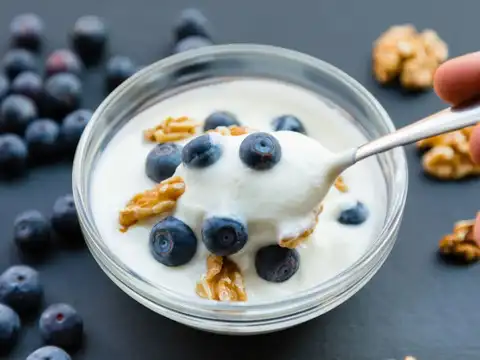
Fermented Foods for Gut Health
A high-protein diet can sometimes be taxing on the digestive system, leading to bloating or sluggishness. Pairing your protein with fermented foods like yogurt, kefir, or kimchi introduces beneficial probiotics that help break down dense protein molecules into smaller peptides. This improves overall gut transit time and ensures that your microbiome remains balanced, allowing for more efficient nutrient extraction and a stronger immune system.
5/6
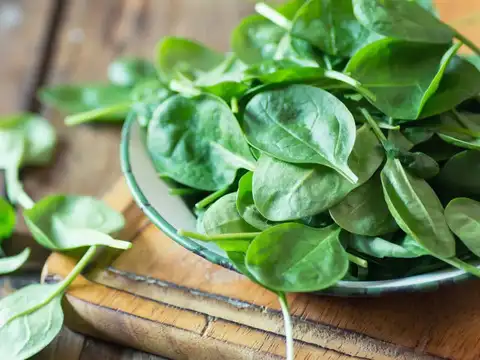
Leafy Greens for Alkaline Balance
High protein intake, especially from animal sources, can increase the acidity levels in your body during metabolism. Pairing your steaks or chicken with alkaline-heavy leafy greens like spinach, kale, or bok choy helps maintain a healthy pH balance. These greens provide the magnesium and calcium necessary to neutralize metabolic by-products, protecting your kidneys and ensuring that your high-protein lifestyle doesn't lead to long-term mineral depletion.
6/6
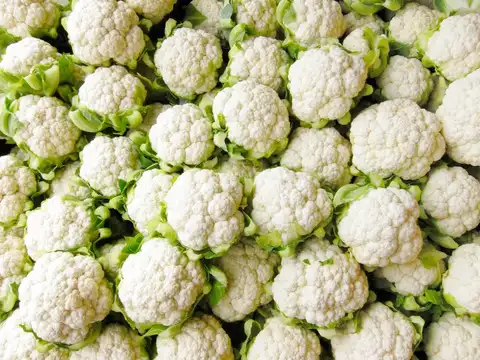
Cruciferous Vegetables for Hormone Support
Vegetables like broccoli, cauliflower, and Brussels sprouts are the perfect partners for high-protein meals because they are rich in fiber and sulfur-containing compounds. These vegetables help regulate estrogen levels and support liver detoxification, which is essential when the body is processing high amounts of nitrogen from protein. The added fiber ensures that protein moves smoothly through the digestive tract, preventing constipation and promoting a sustained feeling of fullness.
(Disclaimer: This story is for educational purposes alone and should not be considered as professional medical advice and does not substitute any medical advice.)
(Disclaimer: This story is for educational purposes alone and should not be considered as professional medical advice and does not substitute any medical advice.)
READ MORE:
Best Foods to Pair with Protein 2026 |Protein Synergy for Muscle Growth |Vitamin C for Iron Absorption |Healthy Fats with Lean Protein |Probiotics for Protein Digestion |Alkaline Foods for High Protein Diet |Fiber and Protein Combinations |Nutrient Timing for Athletes |Maximizing Amino Acid Absorption