
6 animals that can see through dark nights like owls
1/6
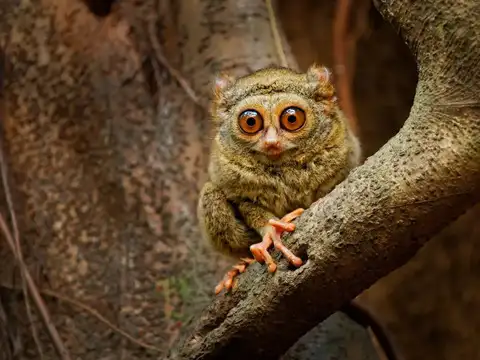
Tarsier
The Tarsier is a tiny primate with eyes so big they are actually larger than its entire brain. Because these eyes are so massive, they can’t move them in their sockets; instead, the Tarsier rotates its head 180 degrees like an owl. These giant "lenses" are designed to soak up every single photon of moonlight, allowing them to spot tiny jumping insects in the deep, dark jungles of Southeast Asia.
2/6
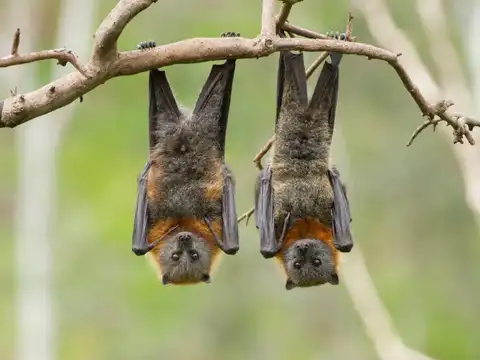
Bats
Bats are the ultimate masters of "seeing" without using light at all. While they have decent eyesight, they primarily use echolocation to navigate the night forest. By sending out high-pitched clicks that bounce off objects, their brains create a high-definition 3D map of their surroundings. This "sound-vision" is so precise that a bat can detect a tiny insect the size of a mosquito while flying at full speed in a pitch-black cave.
3/6
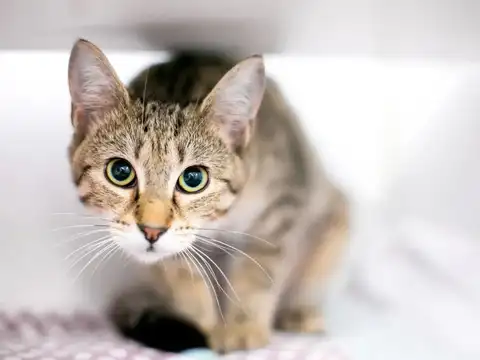
Cats
Ever wonder why a cat’s eyes glow in a photo? They have a special reflective layer behind their retina called the tapetum lucidum. This acts like a tiny mirror, reflecting light back through the eye a second time. This "recycling" of light allows cats to see perfectly in conditions that are six times darker than what a human needs, making them the kings of the backyard after sunset.
Amazon Top Deals
POWERED BY

4/6
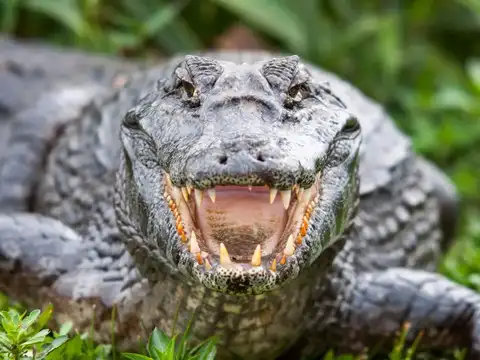
Crocodiles
Crocodiles are formidable night hunters thanks to a specialized vertical pupil that can open incredibly wide in low light. Much like cats, they possess a reflective layer that gives them a "night-glow" in the water. This allows them to stay submerged with only their eyes above the surface, scanning the riverbank for movement with a clarity that far exceeds any human vision during the twilight hours.
5/6
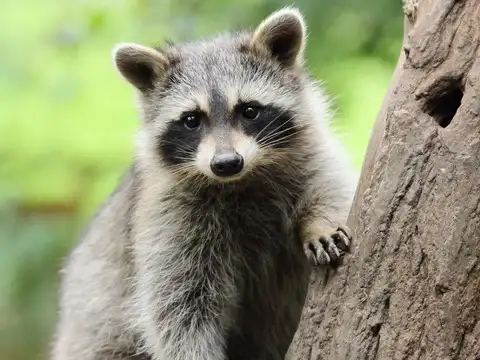
Raccoons
Raccoons are famous for their "bandit masks," but that black fur actually serves a purpose—it reduces glare, helping them see contrast more clearly in the dark. Their eyes are packed with light-sensitive cells that allow them to see movement in the shadows with ease. This night vision, combined with their incredibly sensitive paws, makes them experts at navigating dark alleyways and forest floors in search of food.
6/6
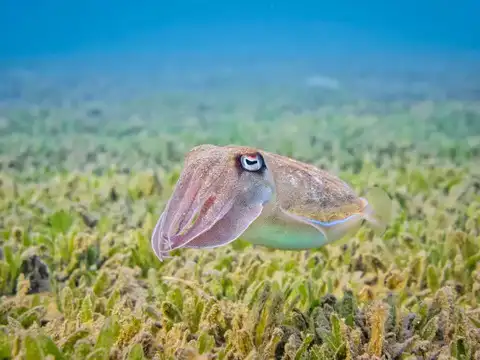
Cuttlefish
Deep in the ocean, light fades quickly, but the Cuttlefish has evolved "W-shaped" pupils to manage the gloom. These unique eyes allow them to perceive the "polarization" of light, which is a fancy way of saying they can see hidden patterns and camouflaged prey that other fish totally miss. Even in the murky depths of the sea, the Cuttlefish sees the world in high-contrast detail, making it a ghostly and efficient predator.