
59-year-old’s biopsy says breast cancer, the tumour disappears before surgery. How it happened and why it matters.
1/7
What happened?
A woman’s biopsy said cancer. Weeks later, the mass shrank and pathology found no tumor cells at surgery. Doctors saw fibrosis and immune cells instead. A rare, documented spontaneous remission.
2/7
The diagnosis that started it all
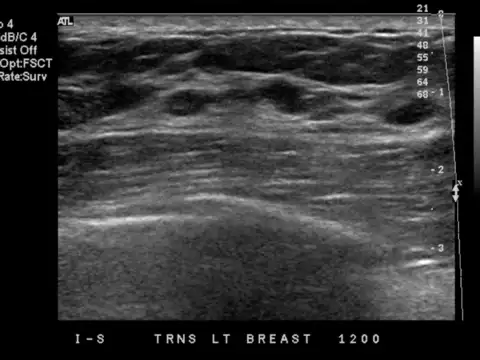
A woman with a history of breast cancer felt a new lump. Scans and ultrasound showed a suspicious mass in her left breast. Fine‑needle aspiration under the microscope came back malignant. The plan was simple. Remove it fast.
3/7
Then something impossible began to happen
In the weeks after the biopsy, the lump started to shrink. No fever. No redness. No treatment had begun. Just a quiet retreat inside the breast. Even the pre‑op ultrasound measured it smaller than before. Everyone braced for answers in the operating room.
Amazon Top Deals
POWERED BY

Crompton Ozone 75 Litres Desert Air Cooler for home | Large & Easy Clean Ice Chamber | 4-Way Air Deflection | High Density Honeycomb Pads | Everlast Pump | Auto Fill| 3 Year Brand Warranty
₹9,798Buy Now43%
OFF

LG 32 L Convection Microwave Oven (MC3286BRUM, Black, 360° Motorised Rotisserie for Bar-be-queing, 301 Auto Cook Menu, Stainless steel cavity, Indian Cuisine, Tandoor Se, Steam Clean & Diet Fry)
₹19,340Buy Now19%
OFF
4/7
The day of truth under the knife
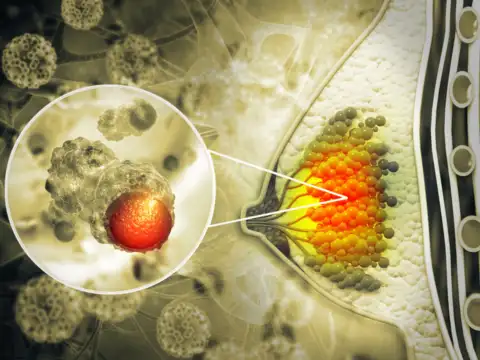
Surgeons excised the mass for a definitive diagnosis. The pathologists combed through the tissue. No cancer cells. Instead, they saw fibrosis, immune cell infiltration, and a dead center of coagulative necrosis. The tumor site looked like a battlefield after the enemy was gone.
5/7
Was it a mistake? Or a miracle
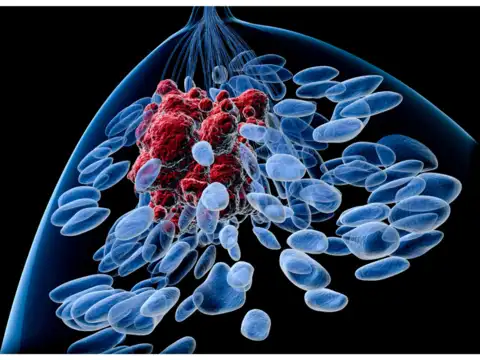
The team checked the usual suspects. Sampling error. Over‑diagnosis. A misplaced needle. But the original smear had classic malignant features. The mass was palpable and well‑targeted. The tissue now showed healing changes. The most consistent explanation was spontaneous remission, likely unfolding between biopsy and surgery.
6/7
How could a tumor just disappear
Sometimes the body turns on a tumor. Immune sparks, hormonal shifts, even trauma from a needle can tip a fragile tumor into collapse. Reviews show spontaneous regression across cancers, and breast pathology studies have found healed ductal lesions more often than anyone expected.
7/7
What happened next, and why it matters
With no tumor and no markers to guide extra therapy, the team chose close observation. The cancer had vanished on the table. Rare does not mean never. This case reminds doctors to match treatment to the tissue in front of them, not just yesterday’s slide.