51 hours, 2300 staff: How Ashwini Vaishnaw-led team dealt with the aftermath of the Odisha rail accident
Indian Railways Union Minister Ashwini Vaishnaw had a pre-devised plan ready to provide maximum assistance after the tragic Balasore rail accident in Odisha on June 2, whereby up to a thousand railway officers and officials were mobilized at the c...
By ANI | Updated:

ANI
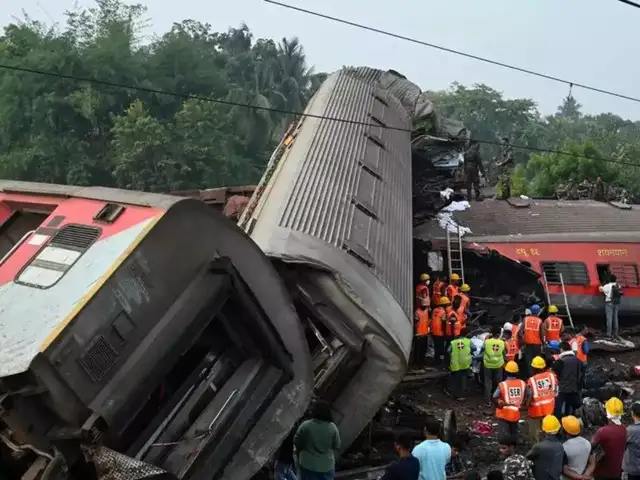
Late on the evening of June 2, when the deadly rail accident took place in Balasore in Odisha the public had very little idea of how devastating its impact would be. The challenge was staring in its face for the first responders and the concerned department of Indian Railways.
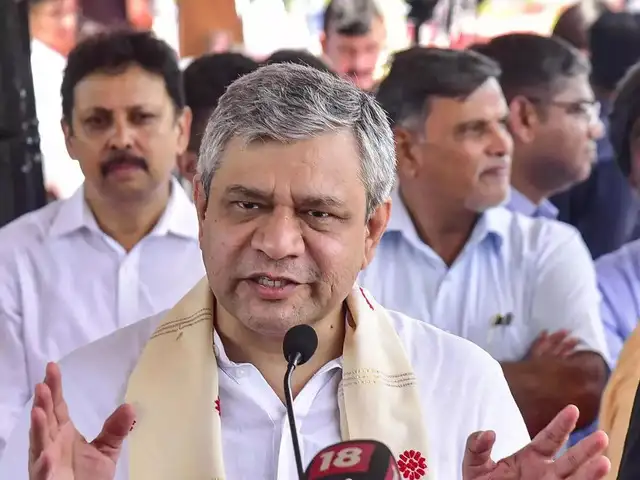
Within hours of the accident, Union Railway Minister Ashwini Vaishnaw was on the ground. While he traversed through the accident site, understanding the technicalities of the accident, and of course monitoring the rescue and relief operations, it was not without a plan.
"What is the next thing we need to do and what is the next plan that is exactly how the minister works, this was no different," a senior official told ANI.
There was definitely a plan in place to ensure maximum utilisation of the human resources with the single focus being on saving as many lives as possible, ensuring medical assistance was provided at the earliest to the injured and most of all work was done to ensure the train line was clear and running as soon as possible.
"Eight teams were constituted with at least 70 members to work on the ground. Then each of these two teams was supervised by Senior Section Engineers (SSE). Further, these SSE were supervised by one DRM and one GM Railways. They were further supervised by a member of the Railway Board", a senior railway ministry source told ANI.
These officials from the Ministry of Railways were working on the ground on the train track and its repair work which involves a lot of technicality.
But this was not the single focus of the job at hand. The other focus was to ensure that no problems on the ground existed for those who were admitted to the hospital for treatment.
The Chairman Railway Board was placed at the hospital in Cuttack, whereas DG Health was sent to the hospital in Bhubaneswar to ensure maximum relief for passengers who were being treated.
"The instructions were very clear to us that not only is the rescue and relief operation on the ground important but even the comfort of those in hospital is equally important. That is the reason senior officials were dispatched to oversee the situation", another senior official who worked on the ground in the team told ANI.
The war room at the Minister of Railways headquarters in the national capital in the railway ministry was keeping a constant watch on the developments round the clock.
"Four cameras giving live feed of the developments on the ground at the accident were constantly monitored by a very senior level officer and all details of progress were conveyed in real-time to the minister and his team," a source said.
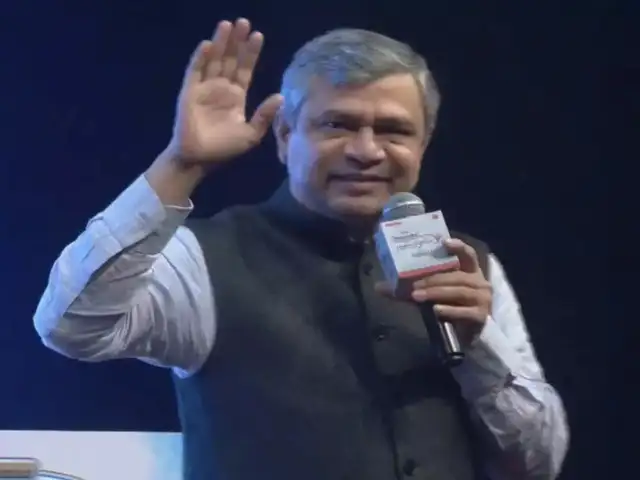
A seasoned bureaucrat turned politician, disaster management has not been a new thing for India's Railway Minister Ashwini Vaishnaw. In 1999, as a collector of the district of Balasore, Vaishnaw handled the super cyclone crisis.
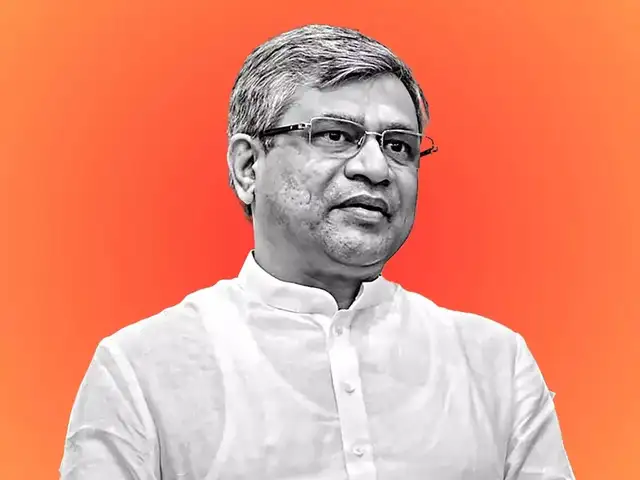
However, amidst the heated controversy, a lesser-known facet of the Railway Minister emerges. Vaishnaw possesses an exceptional academic background, having conquered India's toughest UPSC exam to serve as an accomplished IAS officer.
One of the challenges on the ground was to ensure that there was no burnout. Hectic work and sultry weather were a challenge that was handled by ensuring that those working on the ground got enough breaks and rest before they got back on the job.
"It was effectively ensured that every team that worked on the ground whether at the accident site or in the hospital were given timely breaks and they were kept well hydrated", a team member coordinating ground teams told ANI.
On Sunday night, when the up line was running and functional, it was only then that this team could heave a sigh of relief.
The emotions were running high as Ashwini Vaishnaw who remained on the ground for 51 long hours along with his entire team bowed his head down with folded hands in a prayer to the almighty.
Within hours of the accident, Union Railway Minister Ashwini Vaishnaw was on the ground. While he traversed through the accident site, understanding the technicalities of the accident, and of course monitoring the rescue and relief operations, it was not without a plan.
"What is the next thing we need to do and what is the next plan that is exactly how the minister works, this was no different," a senior official told ANI.
There was definitely a plan in place to ensure maximum utilisation of the human resources with the single focus being on saving as many lives as possible, ensuring medical assistance was provided at the earliest to the injured and most of all work was done to ensure the train line was clear and running as soon as possible.
"Eight teams were constituted with at least 70 members to work on the ground. Then each of these two teams was supervised by Senior Section Engineers (SSE). Further, these SSE were supervised by one DRM and one GM Railways. They were further supervised by a member of the Railway Board", a senior railway ministry source told ANI.
These officials from the Ministry of Railways were working on the ground on the train track and its repair work which involves a lot of technicality.
ADVERTISEMENT
But this was not the single focus of the job at hand. The other focus was to ensure that no problems on the ground existed for those who were admitted to the hospital for treatment.
The Chairman Railway Board was placed at the hospital in Cuttack, whereas DG Health was sent to the hospital in Bhubaneswar to ensure maximum relief for passengers who were being treated.
"The instructions were very clear to us that not only is the rescue and relief operation on the ground important but even the comfort of those in hospital is equally important. That is the reason senior officials were dispatched to oversee the situation", another senior official who worked on the ground in the team told ANI.
The war room at the Minister of Railways headquarters in the national capital in the railway ministry was keeping a constant watch on the developments round the clock.
ADVERTISEMENT
"Four cameras giving live feed of the developments on the ground at the accident were constantly monitored by a very senior level officer and all details of progress were conveyed in real-time to the minister and his team," a source said.
A seasoned bureaucrat turned politician, disaster management has not been a new thing for India's Railway Minister Ashwini Vaishnaw. In 1999, as a collector of the district of Balasore, Vaishnaw handled the super cyclone crisis.
ADVERTISEMENT
As the aftermath of a devastating triple train collision in Odisha unfolds, resulting in the loss of over 275 lives and leaving more than 1,100 injured, opposition parties are intensifying their calls for the resignation of Railway Minister Ashwini Vaishnaw. Labelling the incident as a severe lack of accountability with "No accountability even after 270+ deaths!", they express their disappointment, saying, "We didn't expect this from PM Modi's cabinet, but if he (Ashwini Vaishnaw) possesses even an ounce of shame, he should step down."
However, amidst the heated controversy, a lesser-known facet of the Railway Minister emerges. Vaishnaw possesses an exceptional academic background, having conquered India's toughest UPSC exam to serve as an accomplished IAS officer.
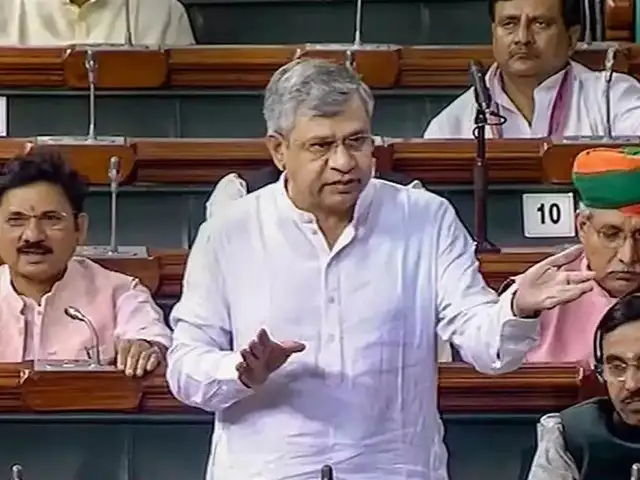
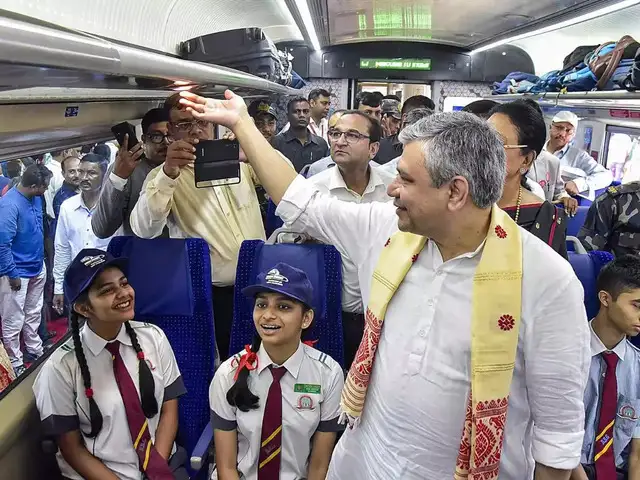

One of the challenges on the ground was to ensure that there was no burnout. Hectic work and sultry weather were a challenge that was handled by ensuring that those working on the ground got enough breaks and rest before they got back on the job.
"It was effectively ensured that every team that worked on the ground whether at the accident site or in the hospital were given timely breaks and they were kept well hydrated", a team member coordinating ground teams told ANI.
On Sunday night, when the up line was running and functional, it was only then that this team could heave a sigh of relief.
The emotions were running high as Ashwini Vaishnaw who remained on the ground for 51 long hours along with his entire team bowed his head down with folded hands in a prayer to the almighty.
Download
The Economic Times Business News App for the Latest News in Business, Sensex, Stock Market Updates & More.
The Economic Times Business News App for the Latest News in Business, Sensex, Stock Market Updates & More.
Download
The Economic Times News App for Quarterly Results, Latest News in ITR, Business, Share Market, Live Sensex News & More.
The Economic Times News App for Quarterly Results, Latest News in ITR, Business, Share Market, Live Sensex News & More.
Related Articles
 Bihar gets record Rs 10,000 crore for rail infrastructure in FY27: Ashwini Vaishnaw2026-06-19T07:58:10Z
- Electronics now third largest export category, next target second rank: Ashwini Vaishnaw2026-06-18T00:30:00Z
- Ashwini Vaishnaw expects more companies to start production of memory chips in India2026-06-14T08:22:36Z
ADVERTISEMENT


