
5 ways to check if you are overweight without a weighing machine
1/6
Why weight is not the only health indicator
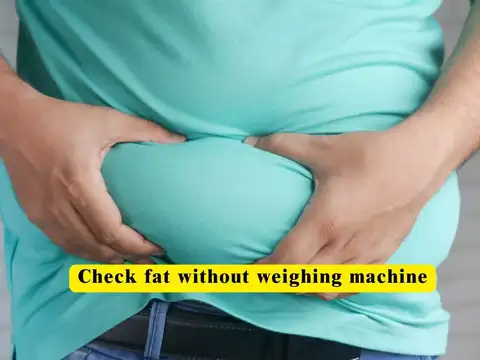
Body weight alone does not tell the full story. Doctors say fat distribution, muscle mass, and metabolic health matter more than a single number. If you do not have a weighing machine, your body still gives clear, reliable signs worth paying attention to.
2/6
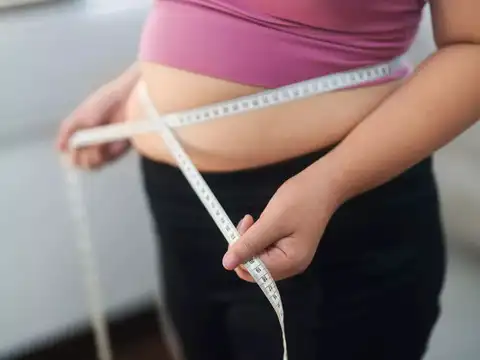
Check your waist size using a simple tape or string
Wrap a tape or string around your waist at navel level. For most adults, a waist above 90 centimeters for men and 80 centimeters for women suggests excess abdominal fat. Doctors warn this type of fat is closely linked to heart and metabolic risk.
3/6
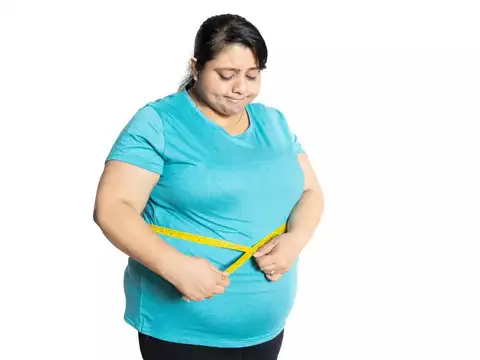
Use the waist to height ratio test
Measure your waist and compare it to your height. A healthy rule is that your waist should be less than half your height. If it crosses that mark, experts say the risk of obesity related conditions increases, even if overall weight seems normal.
Amazon Top Deals
POWERED BY

Crompton Ozone 75 Litres Desert Air Cooler for home | Large & Easy Clean Ice Chamber | 4-Way Air Deflection | High Density Honeycomb Pads | Everlast Pump | Auto Fill| 3 Year Brand Warranty
₹9,798Buy Now43%
OFF

LG 32 L Convection Microwave Oven (MC3286BRUM, Black, 360° Motorised Rotisserie for Bar-be-queing, 301 Auto Cook Menu, Stainless steel cavity, Indian Cuisine, Tandoor Se, Steam Clean & Diet Fry)
₹19,340Buy Now19%
OFF

4/6
Notice changes in how clothes fit over time
Tight waistbands, snug shirts, or reduced comfort around hips often signal gradual fat gain. Doctors say clothing fit is a surprisingly honest indicator because it reflects long term changes rather than daily fluctuations caused by water or food intake.
5/6
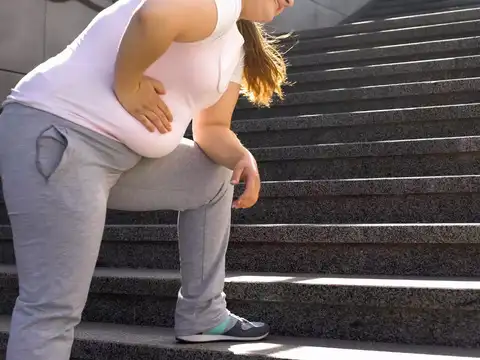
Assess your energy and breath during daily activity
Getting breathless while climbing stairs, walking short distances, or doing routine chores may suggest excess body fat affecting stamina. While fitness varies, doctors note that unexplained fatigue with mild activity often accompanies unhealthy weight gain.

6/6
Look for visible fat accumulation patterns
Fat gathering around the abdomen, chest, upper arms, or thighs can indicate overweight status. Central fat, especially around the belly, is considered more harmful than fat elsewhere. Doctors emphasize visual cues should not be ignored simply because scales are absent.
(Disclaimer: This story is purely for educational purposes only. It does not substitute for professional medical advice nor should it be considered as professional medical advice.)
(Disclaimer: This story is purely for educational purposes only. It does not substitute for professional medical advice nor should it be considered as professional medical advice.)
READ MORE:
How to check overweight without weighing machine |signs of being overweight |waist size health risk |waist to height ratio India |belly fat health check |overweight symptoms adults |body fat indicators without scale |obesity signs without weighing |healthy waist measurement |early signs of weight gain