
5 tips to grow hair faster in middle age
1/6
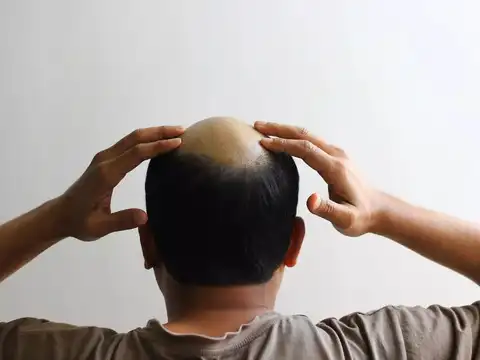
What changes in midlife
Hormones, nutrient gaps, and cumulative styling damage slow growth and increase shedding in the 40s–60s, so results come from combining scalp stimulation, proven topicals, targeted nutrition, and gentle care for several months.
2/6
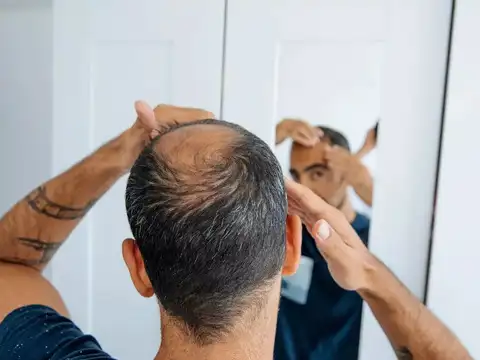
Stimulate the scalp twice weekly
Do 5–10 minutes of fingertip massage or a soft silicone brush 2–3 nights per week to boost local circulation and deliver actives; optionally use a light oil like coconut or moringa seed oil as a pre‑wash for fiber protection.Keep pressure light to avoid traction; rinse within 2–8 hours and use a mild shampoo to prevent buildup that can irritate the scalp.
3/6
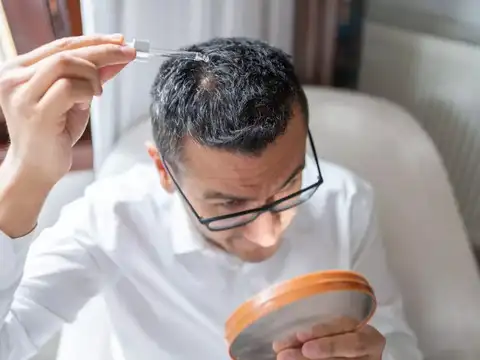
Use a proven topical
Consider 2–5 percent minoxidil topical once or twice daily for diffuse or patterned thinning, as it lengthens the anagen phase and can increase density with consistent use.Discuss with a dermatologist if there is scalp sensitivity, heart disease, pregnancy, breastfeeding, or concurrent therapies like oral finasteride or spironolactone.
Amazon Top Deals
POWERED BY

Crompton Ozone 75 Litres Desert Air Cooler for home | Large & Easy Clean Ice Chamber | 4-Way Air Deflection | High Density Honeycomb Pads | Everlast Pump | Auto Fill| 3 Year Brand Warranty
₹9,798Buy Now43%
OFF

LG 32 L Convection Microwave Oven (MC3286BRUM, Black, 360° Motorised Rotisserie for Bar-be-queing, 301 Auto Cook Menu, Stainless steel cavity, Indian Cuisine, Tandoor Se, Steam Clean & Diet Fry)
₹19,090Buy Now20%
OFF

4/6
Fix nutrition and check labs
Aim for adequate protein at each meal, and ask a clinician about testing ferritin, iron, vitamin D, B12, and thyroid if shedding persists; correcting deficiencies supports regrowth and reduces telogen shedding risk.Simple adds: leafy greens, dals/beans, eggs or paneer/soy, nuts/seeds; consider food‑level moringa leaf powder 1–2 teaspoons daily as an antioxidant‑rich add‑on if tolerated.

5/6
Reduce breakage to keep length
Treat ends gently: limit heat to ≤1–2 times weekly, use heat protectant, switch to microfiber towel and a wide‑tooth comb, and sleep on a satin/silk pillowcase to reduce friction.Use pre‑wash oiling on mid‑lengths and ends 30–60 minutes before shampooing to lower wash‑day swelling and mechanical stress on fibers.

6/6
Manage stress, sleep, and hormones
Prioritize 7–8 hours sleep and regular exercise; high stress can trigger telogen effluvium, and midlife hormonal shifts often require coordinated care with a clinician.If shedding follows illness, surgery, or major stress, expect a 2–3 month lag before recovery; gentle routines and nutrition help during this window.
(Disclaimer; Not professional medical advice. For general educational purposes only.)
(Disclaimer; Not professional medical advice. For general educational purposes only.)