
5 signs your body gives before diabetes strikes
1/6
Why early signs matter
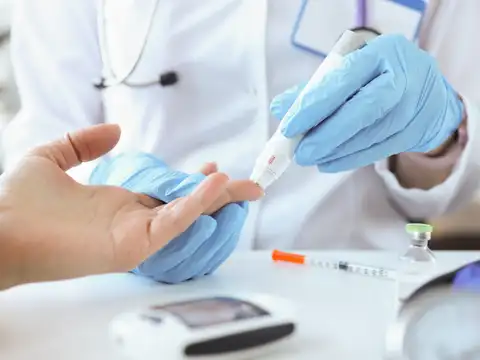
Most people with prediabetes don’t feel “sick,” but subtle body signals often appear months or years before diagnosis. Recognizing them early lets you confirm with tests (fasting glucose, HbA1c) and make changes that can delay or prevent type 2 diabetes.

2/6
Frequent thirst and urination
High blood sugar pulls water into urine (osmotic diuresis), making you pee more and feel very thirsty—especially at night. If you’re suddenly refilling bottles and waking to urinate, it’s time to check fasting glucose and HbA1c.

3/6
Unusual fatigue and brain “fog”
When glucose can’t enter cells efficiently, energy dips and concentration suffers. Persistent daytime tiredness despite adequate sleep—plus headaches or irritability—can be a cue to screen for dysglycemia.
Amazon Top Deals
POWERED BY

Crompton Ozone 75 Litres Desert Air Cooler for home | Large & Easy Clean Ice Chamber | 4-Way Air Deflection | High Density Honeycomb Pads | Everlast Pump | Auto Fill| 3 Year Brand Warranty
₹9,798Buy Now43%
OFF

atomberg Studio Smart+ 1200mm BLDC Ceiling Fan with IoT & Remote | BEE 5 star Rated Energy Efficient Ceiling Fan | High Air Delivery with LED Indicators | 3 Year Warranty (Earth Brown)
₹5,903Buy Now36%
OFF

LG 32 L Convection Microwave Oven (MC3286BRUM, Black, 360° Motorised Rotisserie for Bar-be-queing, 301 Auto Cook Menu, Stainless steel cavity, Indian Cuisine, Tandoor Se, Steam Clean & Diet Fry)
₹19,340Buy Now19%
OFF

4/6
Blurry vision that fluctuates
Elevated glucose shifts fluid in and out of the eye’s lens, changing its shape and focus. Vision may blur for days or weeks and then “clear,” which is a classic reason clinicians order blood sugar tests.
5/6
Slow‑healing cuts, more infections
High glucose can impair white‑blood‑cell function and blood flow, so skin nicks, gum issues, or recurrent urinary/yeast infections take longer to resolve. If minor wounds linger, pair wound care with a lab check.

6/6
Dark, velvety skin patches (acanthosis)
Acanthosis nigricans—dark, velvety thickening on the neck, armpits, or knuckles—is linked to insulin resistance. It’s common in teens and adults with rising risk; dermatology and endocrine teams treat the skin but also screen for glucose issues.
(Disclaimer: These signs can have other causes (e.g., urinary infections, eye strain, anemia). Don’t self‑diagnose—use symptoms as a prompt to get tested and follow medical advice. This is educational, not medical advice.)
(Disclaimer: These signs can have other causes (e.g., urinary infections, eye strain, anemia). Don’t self‑diagnose—use symptoms as a prompt to get tested and follow medical advice. This is educational, not medical advice.)