
5 remedies to get rid of bees in your home without harming them
1/5
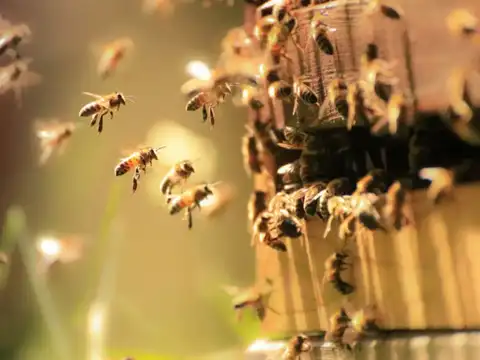
Turn off bright outdoor lights at night
Many people don’t realise that bees and other flying insects are often attracted to strong balcony or terrace lights during the evening.
If you notice bees hovering near tube lights, decorative LEDs or bright white bulbs, switch them off for a few nights or replace them with warmer yellow lights. This often encourages the swarm to move elsewhere naturally without any effort.
If you notice bees hovering near tube lights, decorative LEDs or bright white bulbs, switch them off for a few nights or replace them with warmer yellow lights. This often encourages the swarm to move elsewhere naturally without any effort.
2/5
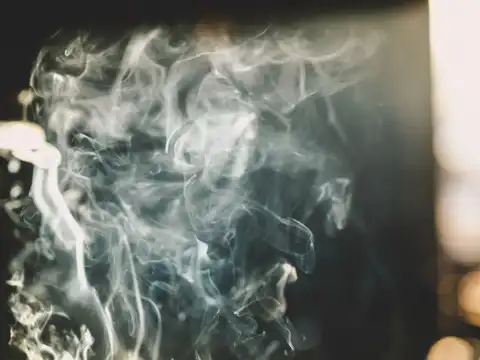
Use smoke gently — but never burn the hive
In villages and smaller towns across India, mild smoke has traditionally been used to calm bees temporarily. Light smoke from dried neem leaves or a mosquito coil placed at a safe distance can encourage bees to leave the area slowly.
But never try to burn the hive or spray petrol, as that can become dangerous very quickly and may provoke the bees aggressively.
But never try to burn the hive or spray petrol, as that can become dangerous very quickly and may provoke the bees aggressively.
3/5
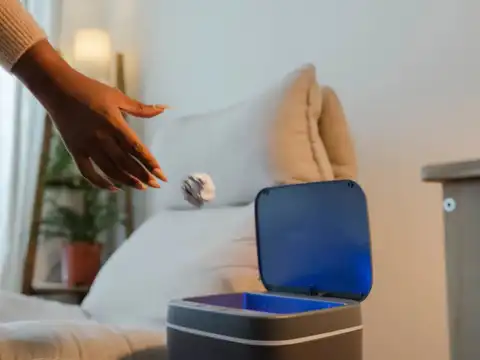
Close sugary food and open dustbins immediately
Bees are often attracted by sweet smells inside Indian homes — especially cut fruits, juice spills, sweets, jaggery, soft drinks and overflowing dustbins.
If bees are repeatedly entering your kitchen or dining area, clean sticky surfaces properly and keep food covered. Once the food source disappears, the bees usually stop returning.
If bees are repeatedly entering your kitchen or dining area, clean sticky surfaces properly and keep food covered. Once the food source disappears, the bees usually stop returning.
Amazon Top Deals
POWERED BY

Crompton Ozone 75 Litres Desert Air Cooler for home | Large & Easy Clean Ice Chamber | 4-Way Air Deflection | High Density Honeycomb Pads | Everlast Pump | Auto Fill| 3 Year Brand Warranty
₹9,798Buy Now43%
OFF

atomberg Studio Smart+ 1200mm BLDC Ceiling Fan with IoT & Remote | BEE 5 star Rated Energy Efficient Ceiling Fan | High Air Delivery with LED Indicators | 3 Year Warranty (Earth Brown)
₹5,882Buy Now36%
OFF

LG 32 L Convection Microwave Oven (MC3286BRUM, Black, 360° Motorised Rotisserie for Bar-be-queing, 301 Auto Cook Menu, Stainless steel cavity, Indian Cuisine, Tandoor Se, Steam Clean & Diet Fry)
₹19,340Buy Now19%
OFF

4/5
Spray peppermint or vinegar near entry points
Bees dislike strong smells like peppermint oil, vinegar and citronella. Mixing a little peppermint oil or vinegar with water and spraying it near windows, balconies, exhaust fans or cracks can help keep them away naturally.
This works especially well for small bee groups before they fully settle and build a hive.
This works especially well for small bee groups before they fully settle and build a hive.
5/5
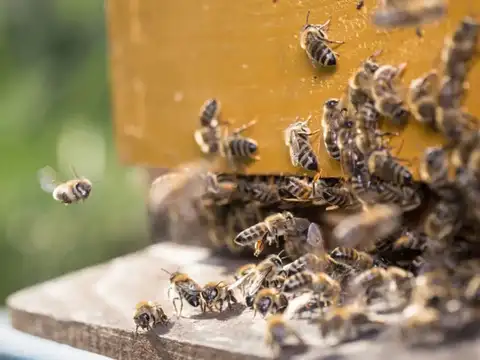
Don’t block the hive suddenly
A common mistake people make is sealing the hive entrance immediately with cement, tape or cloth. This traps bees inside walls or ceilings and often makes the situation worse.
The bees may then enter the house through other gaps looking for an exit. It is always safer to let professionals remove the hive first before sealing any openings permanently.
The bees may then enter the house through other gaps looking for an exit. It is always safer to let professionals remove the hive first before sealing any openings permanently.
READ MORE:
how to remove bees from home |bee removal tips India |safe ways to remove bees |how to get rid of bees naturally |bee hive removal without killing bees |humane bee removal methods |bees inside house solution |natural bee repellent for home |how to remove bee hive safely |Indian home pest control tips